In the evolving landscape of home comfort, mini-split AC systems have emerged as a revolutionary solution, offering unparalleled efficiency, flexibility, and control. Gone are the days when central air conditioning was the only premium option, or when noisy, inefficient window units were the only alternative for homes without ductwork. Today, mini-split AC systems, also known as ductless mini-split systems, are increasingly becoming the go-to choice for homeowners seeking advanced climate control.
But what exactly makes mini-split AC systems so special? And why are they often considered superior for modern residences? Let's delve into the top 10 reasons why a mini-split AC system might be the best choice for your home.
1. Exceptional Energy Efficiency and Cost Savings
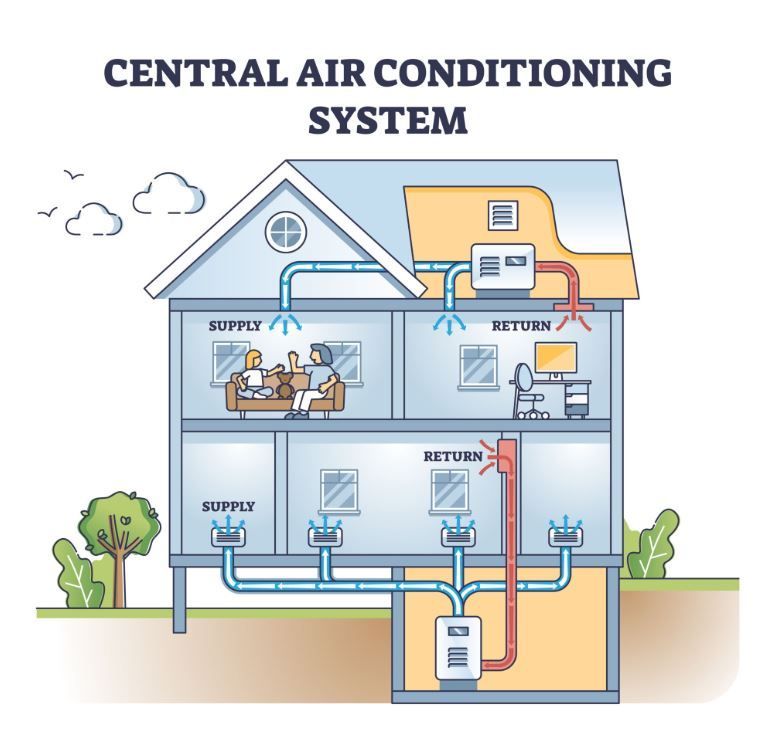
One of the most compelling reasons to choose a mini-split AC system is its incredible energy efficiency. Unlike traditional ducted systems, which can lose a significant amount of energy (up to 30%) through leaks in ductwork, mini-split AC systems deliver conditioned air directly into the room. This direct delivery drastically reduces energy waste.
Furthermore, most mini-split AC systems utilize inverter technology, allowing the compressor to run at varying speeds rather than constantly cycling on and off. This means the system uses only the energy required to maintain the desired temperature, leading to significant reductions in electricity consumption and lower utility bills. For homeowners looking to cut down on energy costs, a mini-split AC system presents a smart, long-term investment.
2. Zoned Cooling and Heating for Personalized Comfort
Imagine a home where every family member can set their ideal temperature without affecting others. With a mini-split AC system, this is not just a dream, but a reality. Each indoor unit in a mini-split system can be controlled independently, creating distinct "zones" of comfort.
This means you can cool your bedroom to a brisk 68°F while the living room remains a comfortable 72°F, and unoccupied rooms are set at a higher, energy-saving temperature. This zoned approach not only enhances personal comfort but also eliminates the wasteful practice of cooling or heating unused areas, further contributing to energy savings.
3. Ductless Design and Easy Installation
The "ductless" aspect of mini-split AC systems is a game-changer, especially for older homes without existing ductwork, additions, or renovated spaces. Installing traditional central air conditioning in such scenarios can be an invasive, expensive, and time-consuming process involving extensive demolition and construction.
A mini-split AC system, on the other hand, requires only a small hole (typically three inches in diameter) in the wall to connect the outdoor unit to the indoor unit via refrigerant lines and electrical wiring. This significantly simplifies installation, reduces labor costs, and minimizes disruption to your home. It’s also an ideal solution for apartments, condominiums, or rooms that have been converted from garages or attics.
4. Quiet Operation for a Peaceful Home Environment
Traditional window units can be notoriously loud, and even central AC systems can produce noticeable noise from the outdoor compressor or through ductwork. Mini-split AC systems are designed for whisper-quiet operation.
The loudest components of a mini-split system (the compressor and condenser) are located in the outdoor unit, away from living spaces. The indoor units operate at incredibly low decibel levels, often as quiet as 19-25 dB – comparable to a gentle whisper or rustling leaves. This allows you to enjoy comfortable temperatures without intrusive noise, perfect for bedrooms, home offices, and living areas where peace and quiet are valued.
5. Improved Indoor Air Quality (IAQ)
While comfort is key, the quality of the air we breathe indoors is paramount. Mini-split AC systems can contribute significantly to better indoor air quality. Unlike ducted systems that can harbor dust, allergens, and mold within their extensive duct networks, mini-split AC systems have no ducts to accumulate these pollutants.
Many mini-split AC systems come equipped with advanced multi-stage filtration systems that capture dust, pollen, pet dander, and other airborne particles. Some models even feature sophisticated air purification technologies, such as plasma filters or ionizers, that can neutralize bacteria, viruses, and odors, providing cleaner, healthier air for your home.
6. Versatile Heating and Cooling Capabilities
Many mini-split AC systems offer both heating and cooling capabilities in a single unit, functioning as highly efficient heat pumps. This dual functionality makes them an excellent all-in-one climate control solution for year-round comfort.
In cooler months, the mini-split system reverses its refrigerant flow to extract heat from the outside air (even in cold temperatures) and transfer it indoors, providing efficient heating. This eliminates the need for separate heating and cooling systems, streamlining your home's climate control and often proving more energy-efficient than traditional electric resistance heating.
7. Compact and Aesthetically Pleasing Design
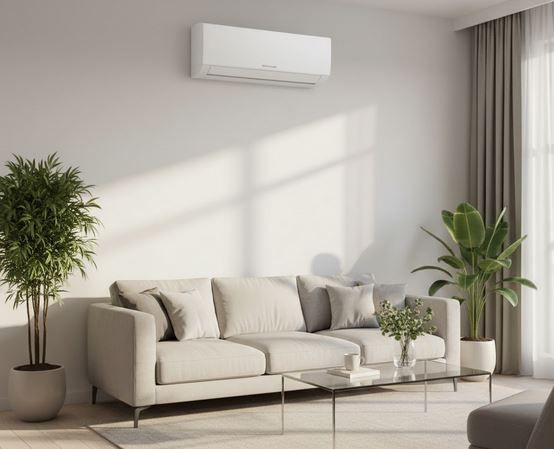
Mini-split AC systems are designed with modern aesthetics in mind. The indoor units are sleek, compact, and often wall-mounted high up, allowing them to blend seamlessly into almost any interior decor. They come in various styles and finishes, ensuring they don't detract from your home's visual appeal.
This is a stark contrast to bulky window units that block views and can be an eyesore, or the visible vents and registers of ducted systems. The unobtrusive design of a mini-split AC system makes it a preferred choice for homeowners who value both functionality and aesthetics.
8. Enhanced Security
Traditional window air conditioning units present a security vulnerability, as they can be easily removed by intruders. Mini-split AC systems, with their indoor units mounted high on walls and outdoor units typically positioned securely outside at ground level, eliminate this risk.
The only penetration through the wall is a small conduit for the refrigerant lines and electrical wiring, which is sealed, ensuring your home remains secure while you enjoy comfortable indoor temperatures.
9. Long-Term Reliability and Durability
Reputable brands of mini-split AC systems are built to last, often featuring durable components and advanced engineering. With proper installation and routine maintenance, these systems can provide reliable heating and cooling for 15 to 20 years or even longer.
Their robust construction and efficient operation contribute to fewer breakdowns and lower maintenance costs over their lifespan compared to less sophisticated climate control solutions. Investing in a high-quality mini-split AC system means investing in years of dependable comfort.
10. Eligibility for Rebates and Tax Credits
As energy-efficient appliances, many mini-split AC systems qualify for various federal, state, and local rebates, tax credits, and incentives. Governments and utility companies often offer programs to encourage homeowners to adopt greener, more energy-efficient technologies.
Before purchasing, it's wise to research what incentives are available in your area. These savings can significantly offset the initial investment cost of a mini-split AC system, making this advanced technology even more accessible and attractive to homeowners.
Conclusion: A Smart Investment for Modern Homes
The shift towards mini-split AC systems is more than just a trend; it's a testament to their superior performance, flexibility, and economic advantages. From their exceptional energy efficiency and zoned comfort to their quiet operation and enhanced indoor air quality, mini-split AC systems offer a comprehensive solution for virtually any residential climate control need.
Whether you're building a new home, adding an extension, or simply looking to upgrade an outdated, inefficient system, a
mini-split AC system provides a smart, cost-effective, and environmentally friendly path to ultimate home comfort. Embrace the future of climate control and discover how a mini-split system can transform your living experience.