Investing in a high-performing cooling system is one of the most critical decisions a Florida homeowner or business owner can make. The subtropical climate places relentless demands on residential and commercial cooling units throughout the year. An aging, inefficient air conditioner does not merely compromise your indoor comfort; it inflates utility expenses, creates humidity imbalances, and introduces frequent repair costs. Transitioning to a modern, energy-efficient system requires careful planning, proper equipment selection, and specialized mechanical execution. Understanding the intricate process of replacement and setup empowers property owners to make informed choices that yield long-term reliability and significant energy savings.
Understanding the Importance of Professional System Sizing
A frequent misstep in residential and commercial cooling upgrades is selecting a replacement unit based solely on the tonnage of the previous equipment. Air conditioning technology and home construction standards have evolved significantly over recent decades. An accurately engineered cooling setup begins with a comprehensive load calculation, commonly referred to in the industry as a Manual J calculation.
This rigorous load assessment evaluates multiple physical variables beyond basic floor space:
- Total square footage and ceiling height across all living zones
- Insulation levels within walls, attics, and crawlspaces
- Orientation of the building structure relative to solar exposure
- Number, size, and thermal efficiency ratings of windows and exterior doors
- Heat generated by internal appliances, lighting, and average occupant capacity
Installing an oversized system leads to short-cycling, a condition where the unit powers on, rapidly chills the air, and shuts off before completing a full dehumidification cycle. This results in cold, clammy indoor conditions, accelerated mechanical wear, and spiked energy usage. Conversely, an undersized unit runs continuously without reaching the desired thermostat setting, straining vital components like compressors and blower motors. Precision sizing ensures balanced airflow, optimal humidity control, and maximum operational longevity.
Evaluating Energy Efficiency: SEER2 Ratings and Refrigerants
When selecting new cooling equipment, energy efficiency metrics dictate both environmental performance and long-term operating overhead. The standard metric for measuring cooling efficiency is the Seasonal Energy Efficiency Ratio 2 (SEER2). Established by the U.S. Department of Energy, SEER2 measures total cooling output during a typical cooling season divided by total electric energy input under revised, real-world testing pressures.
Modern systems range from baseline efficiency ratings around 14.3 SEER2 to high-efficiency variable-speed models exceeding 20 SEER2. Upgrading from an older 10 or 12 SEER unit to a contemporary high-SEER system can dramatically reduce monthly electric utility expenses.
In addition to SEER2 ratings, modern equipment utilizes updated, environmentally friendly refrigerants. Phase-outs of older compounds like R-22 have transitioned the industry toward zero-ozone-depletion refrigerants, including R-410A and newer low-global-warming alternatives such as R-454B and R-32. Choosing a system with current refrigerant standards protects property owners from future maintenance price spikes associated with obsolete chemical supplies.
Key Components of a Complete Cooling System Setup
A successful cooling replacement involves far more than simply dropping a new outdoor condenser onto a pad and connecting two wires. Modern central cooling infrastructure functions as a tightly integrated network of mechanical, electrical, and air-distribution components.
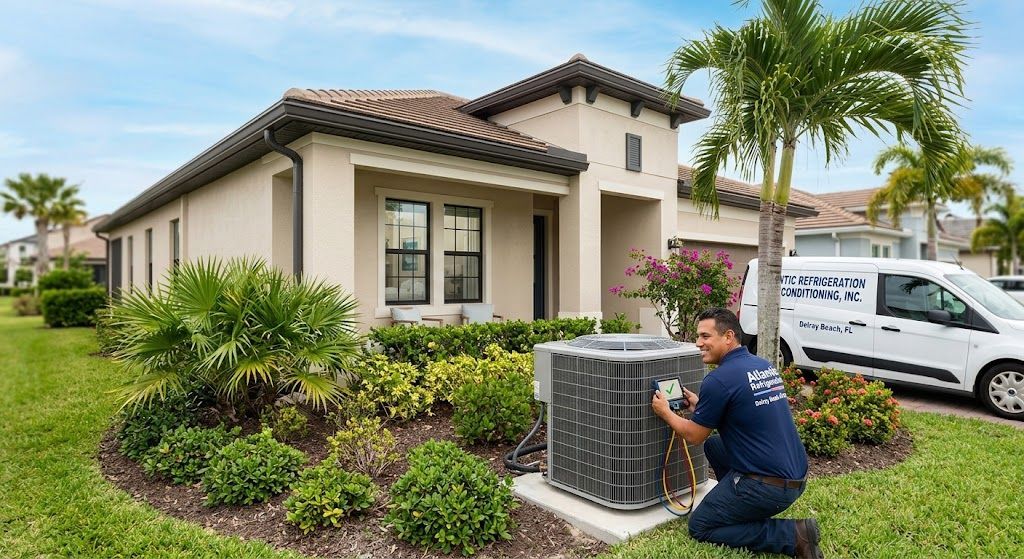
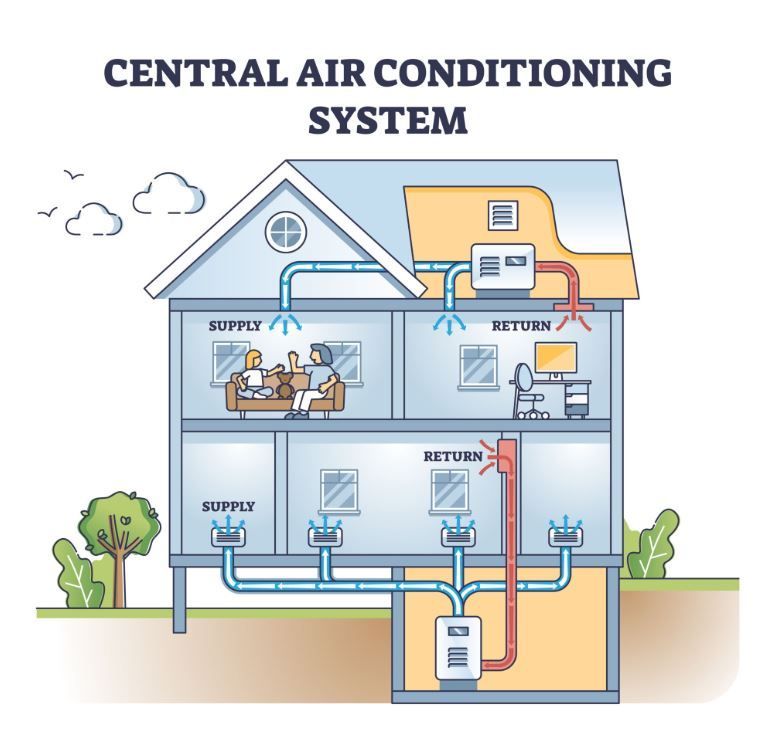
- The Outdoor Condensing Unit: Positioned externally on a level, composite or concrete pad, this component houses the compressor, outdoor coil, and condenser fan. It rejects heat absorbed from the interior living spaces to the outside atmosphere.
- The Indoor Air Handler or Furnace Assembly: Installed within a dedicated closet, attic, or garage, the indoor unit contains the evaporator coil, blower fan motor, and metering devices. It draws warm, humid return air across the chilled evaporator coil to cool and dehumidify it before redistribution.
- Refrigerant Line Set: Copper tubing insulated with heavy-duty elastomeric foam connects the indoor and outdoor units, circulating refrigerant in a continuous loop between vapor and liquid states.
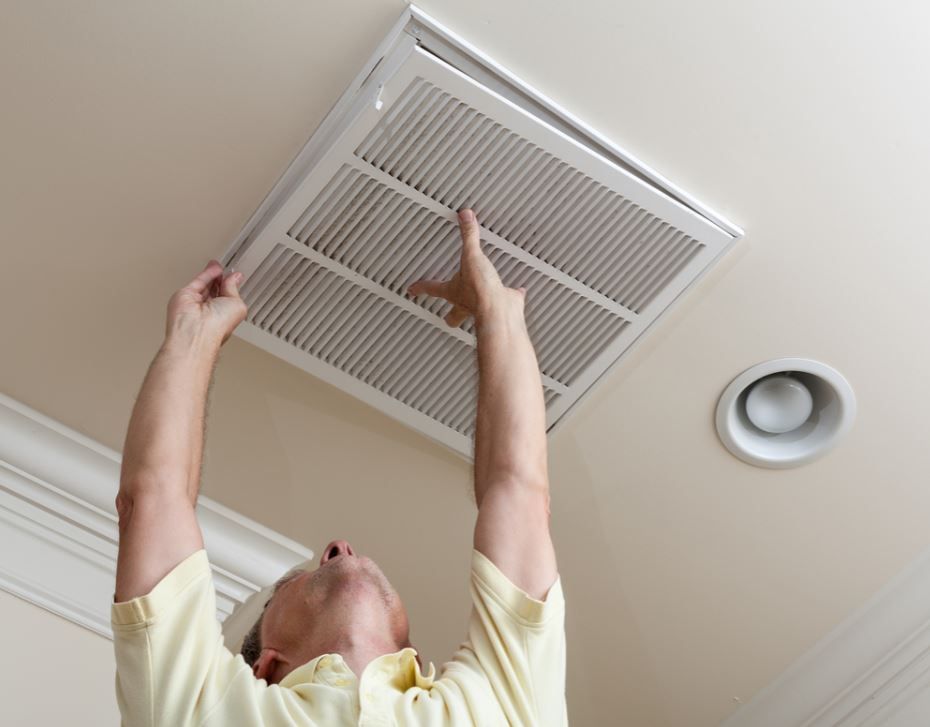
- Ductwork and Air Distribution: The network of supply and return trunks carries conditioned air throughout the property. During a new setup, existing ductwork must be thoroughly inspected for air leaks, structural collapses, biological growth, or physical degradation that could compromise system performance.
- Thermostat and Control Wiring: Advanced smart or communicating thermostats serve as the control center, coordinating multi-stage compressor speeds, variable blower airflow, and auxiliary dehumidification functions.
Step-by-Step Mechanical Process
Executing a seamless mechanical replacement requires certified technicians, specialized equipment, and strict adherence to local building codes and safety regulations.
The process begins with a safe environmental recovery phase. Technicians use dedicated recovery machines to extract old refrigerant from the legacy system without releasing chemicals into the atmosphere, maintaining full compliance with federal EPA guidelines. Once depressurized, electrical connections are safely disconnected, and the existing indoor and outdoor components are removed for proper recycling.
Next, the installation team prepares the mounting surfaces. The outdoor pad must be leveled and elevated to safeguard against heavy rainwater accumulation. Vibration isolators are positioned under the condenser to suppress operational sound transmission into the home's structure. Indoors, the air handler is mounted on a secure platform equipped with an emergency secondary drain pan and an automatic float switch to prevent water damage in the event of a main condensate line blockage.
Once the physical units are positioned, technicians braze the new copper refrigerant line set using a continuous dry-nitrogen purge. Passing nitrogen through the copper lines during heating prevents internal oxidation and scale formation, which could otherwise clog fine thermal expansion valves down the road.
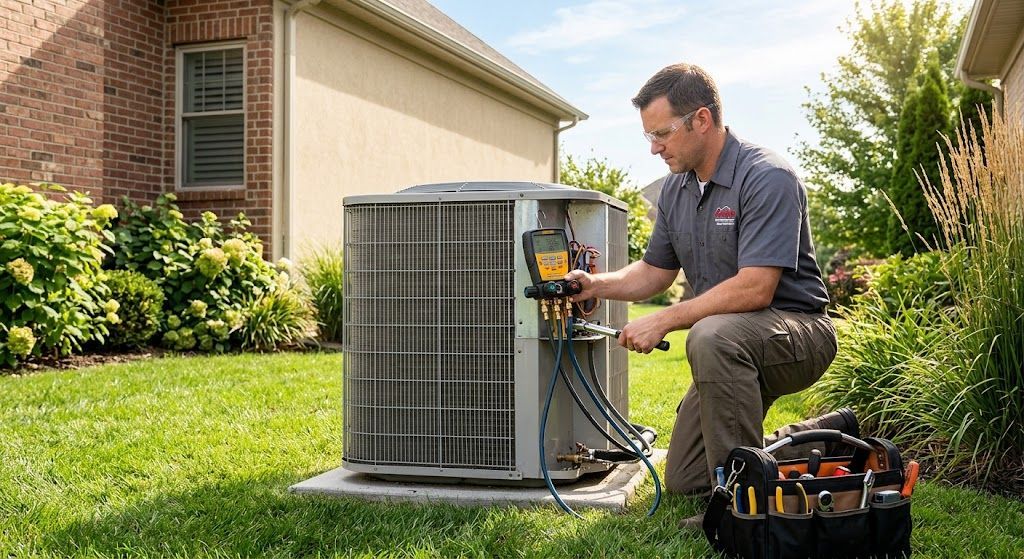
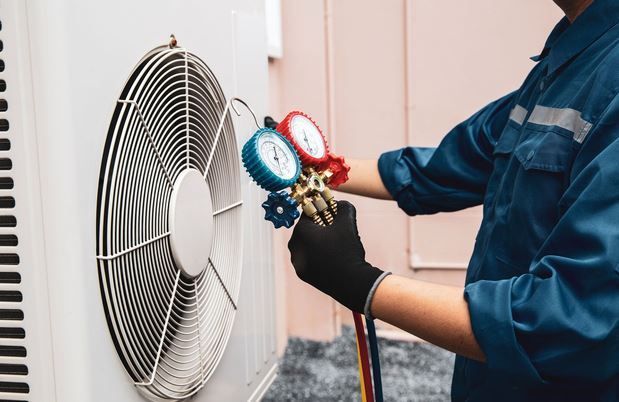
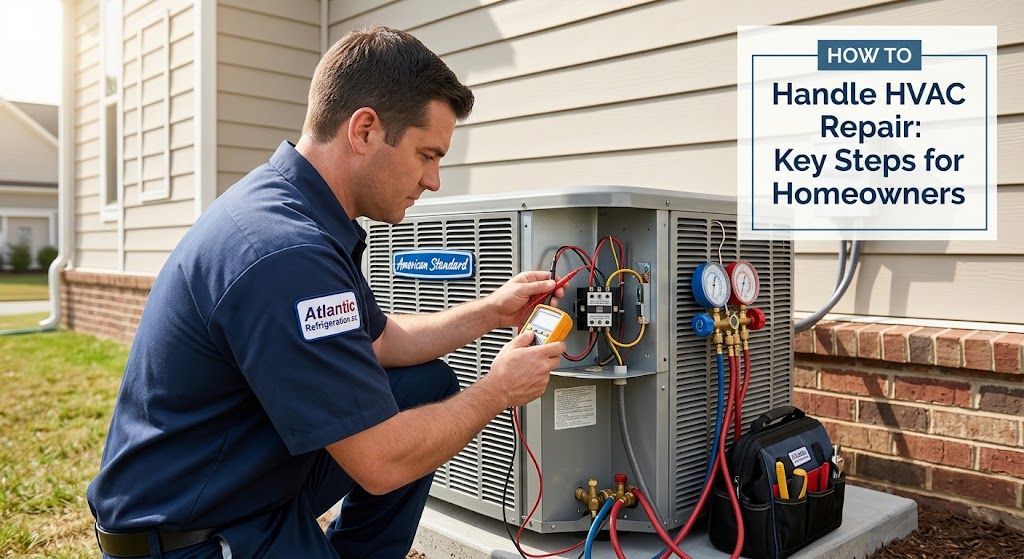
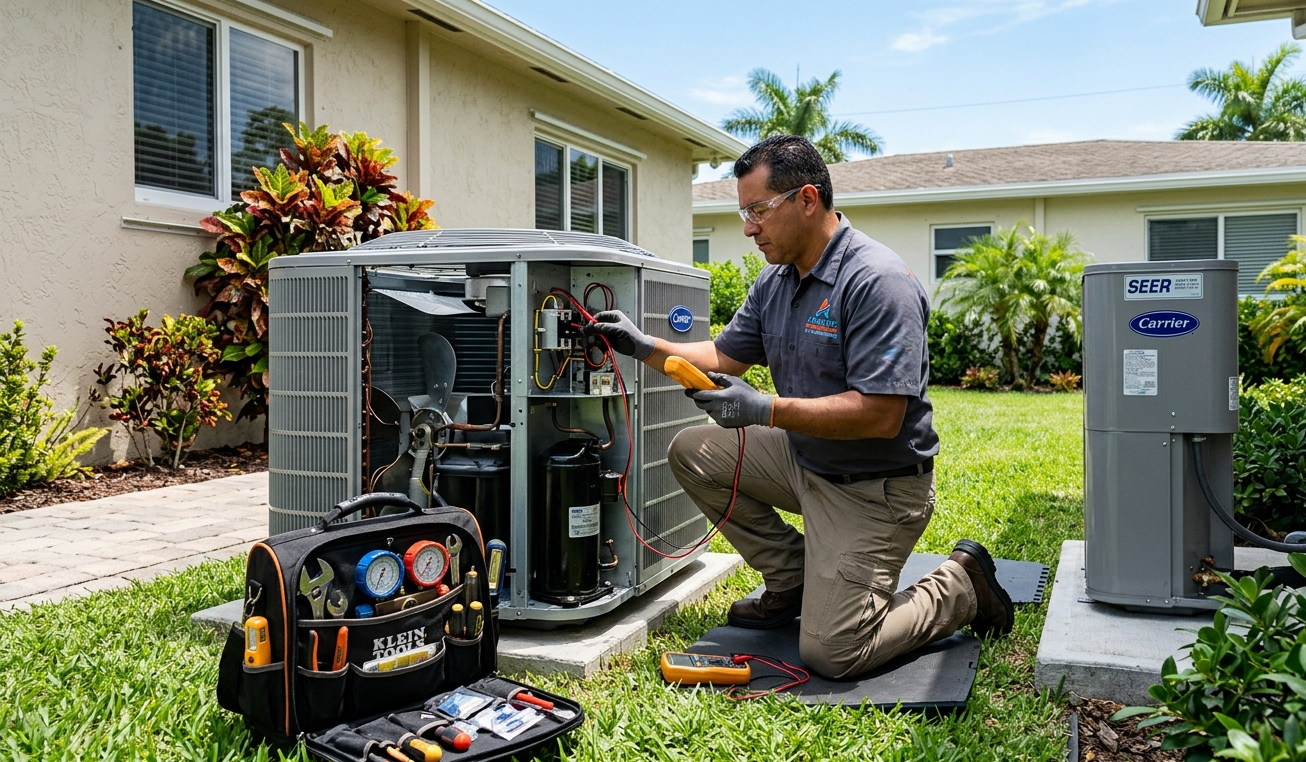
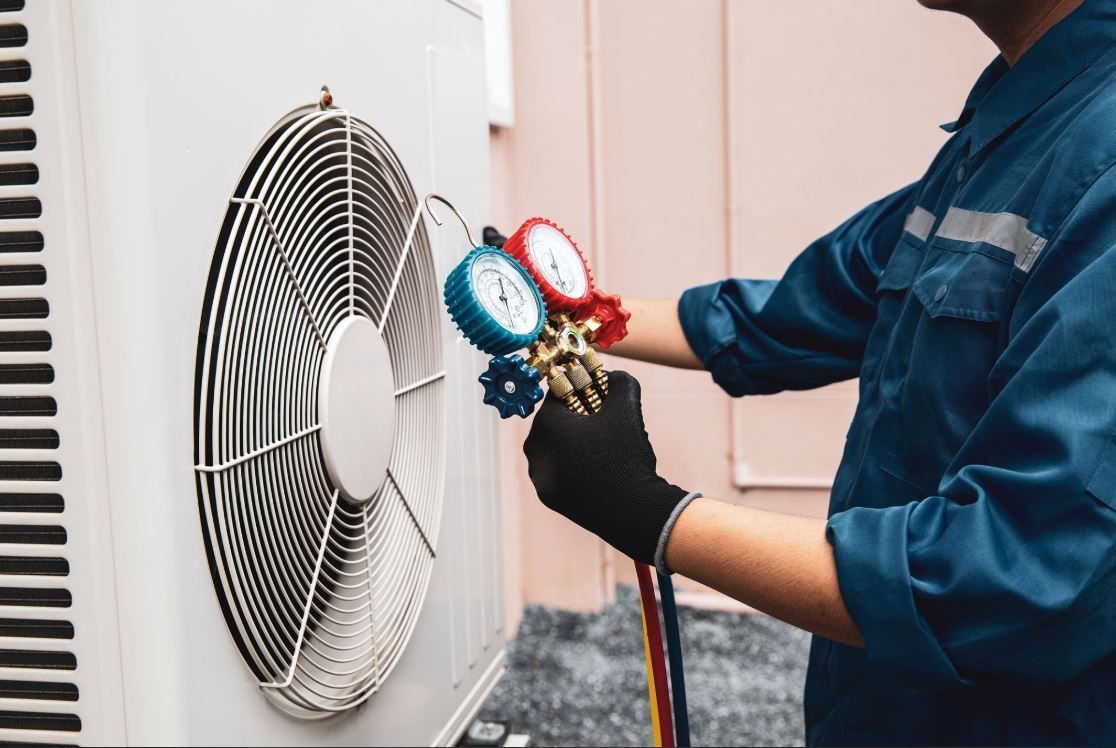
After completing line connections, the closed system undergoes a high-pressure nitrogen leak test followed by deep vacuum evacuation. Utilizing a digital micron gauge, technicians pull the system down below 500 microns to remove all non-condensable gases and latent moisture from inside the copper lines. Only after holding a stable vacuum is the fresh refrigerant charge released into the system.
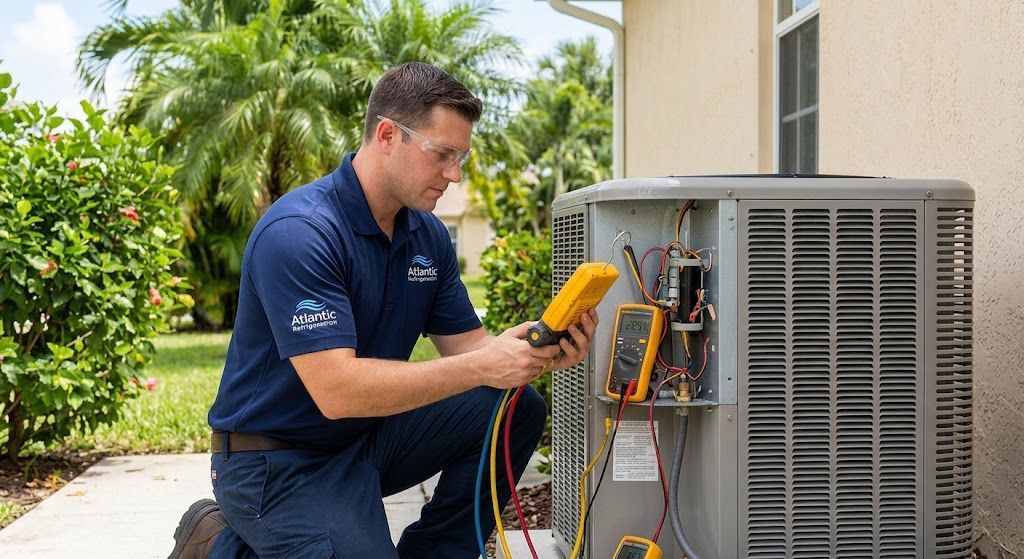
Finally, high-voltage electrical disconnects, low-voltage control wiring, condensate drain lines, and air filter racks are connected and sealed. Technicians perform an extensive commissioning checklist: verifying static duct pressures, checking voltage and amperage draws, measuring temperature drops across the indoor coil, and calibrating the thermostat.
Protecting Your Investment with Ongoing Maintenance
Completing a professional equipment setup is the first chapter in the operational life of your HVAC system. To sustain original manufacturer performance and preserve warranty protections, regular preventative maintenance is non-negotiable.
Proactive care includes cleaning evaporator and condenser coils, flushing condensate drain lines to prevent biological clogs, replacing air filters regularly, inspecting electrical contactors, and checking refrigerant operating pressures. Partnering with experienced mechanical professionals ensures your system operates at peak efficiency year after year while safeguarding your household from unexpected breakdowns during the hottest months of the year.
When you are ready to upgrade your property's climate control system, turn to trusted local experts who bring decades of regional mechanical expertise. For reliable performance and tailored engineering, schedule your professional
AC Installation with the certified specialists at Atlantic Refrigeration.
Selecting high-quality equipment backed by precise mechanical craftsmanship guarantees total indoor comfort, superior humidity control, and predictable energy expenditures for many years to come. Ensure your home remains a cool, comfortable sanctuary by making informed decisions during every phase of your cooling system upgrade.