When the sweltering summer heat sets in, a reliable cooling system changes from a luxury into an absolute necessity for home comfort. Nothing is more frustrating than turning on your thermostat during a heatwave only to be met with warm air blowing through your vents or complete system failure. To protect your home against unexpected breakdowns, high utility bills, and inefficient cooling, staying proactive with regular home air conditioning care is essential.
Understanding how your cooling system operates and knowing when to call a certified professional can save you thousands of dollars over the lifetime of your HVAC unit. This comprehensive guide serves as your ultimate how-to walkthrough for managing home cooling systems, spotting early warning signs of failure, performing essential home upkeep, and knowing what to expect during professional maintenance visits.
Understanding Why AC Service Is Vital for Every Home
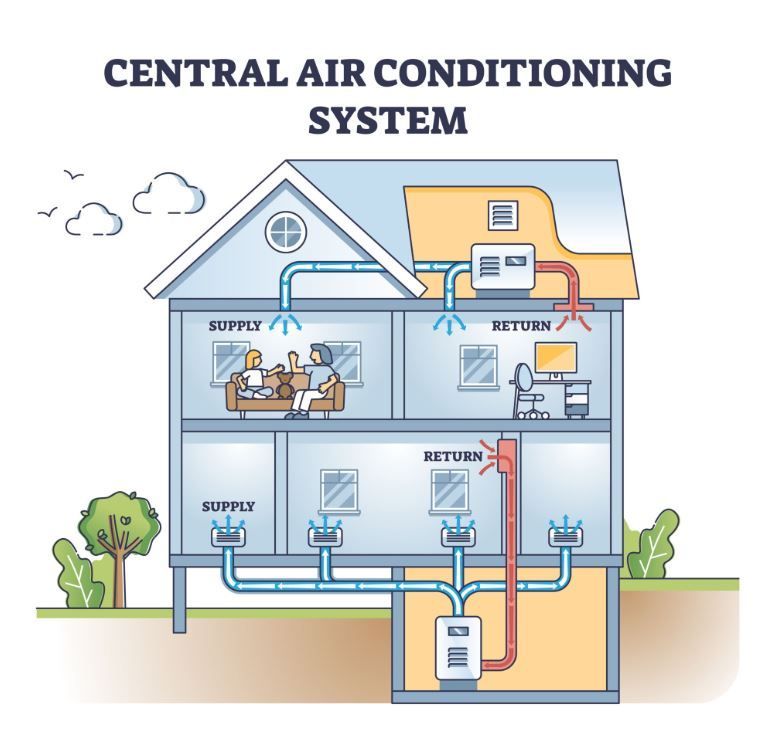
Your air conditioner is a complex electro-mechanical system that works continuously to remove heat and humidity from inside your home. Over time, dust, pollen, pet dander, and environmental debris collect on internal components. This build-up causes the system to work harder than necessary, increasing wear and tear while driving up monthly energy usage.
Proactive AC service ensures that every component—from the compressor and condenser coils to the blower motor and electrical wiring—operates at peak mechanical efficiency. Neglecting your system leads to cumulative damage that shortens its total lifespan and eventually causes sudden, costly mechanical failures.
Beyond energy savings and equipment longevity, routine system checks directly impact your indoor air quality. Air conditioners recirculate hundreds of cubic feet of air through your home every single hour. When internal moisture combines with accumulated dust, mold spores and bacteria can thrive in ductwork and drip pans, spreading airborne allergens throughout living spaces.
7 Essential Steps for Effective AC Service and Upkeep
Maintaining peak cooling performance throughout the hottest months requires a combination of routine home care and professional technical attention. Follow these crucial steps to keep your home comfortable year-round.
Step 1: Replace Air Filters Routinely
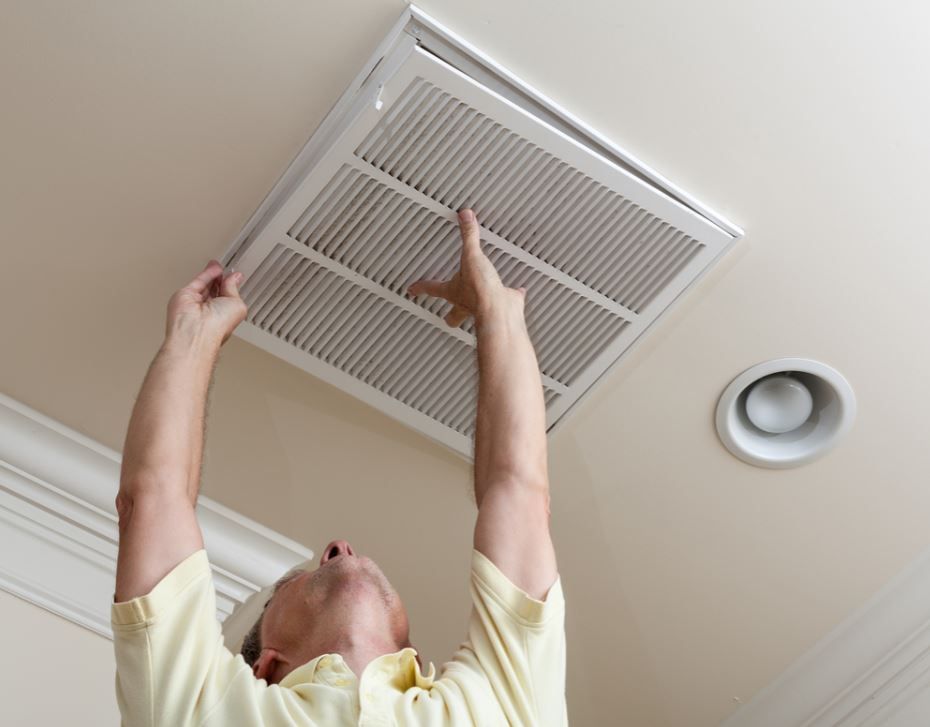
The simplest yet most impactful task a homeowner can perform is replacing the HVAC air filter regularly. A clogged or dirty filter restricts airflow through the system, forcing the blower motor to pull harder to circulate air.
- Standard fiberglass filters: Replace every 30 days during high-use seasons.
- Pleated filters (MERV 8–11): Replace every 60 to 90 days.
- Homes with pets or allergy sufferers: Inspect filters monthly and replace as soon as visible dust layer accumulates.
Restricted airflow caused by neglected filters leads to poor cooling performance, increased electricity consumption, and can even cause the indoor evaporator coil to freeze into a solid block of ice.
Step 2: Clear and Inspect the Outdoor Condenser Area
The outdoor condenser unit releases heat absorbed from inside your home into the surrounding outside air. If the unit is blocked by vegetation, yard debris, or dirt, heat exchange becomes restricted.
- Maintain at least two feet of clear clearance around all sides of the outdoor unit.
- Trim back overgrown shrubs, hanging branches, and tall grass.
- Gently hose off external aluminum fins using low water pressure to remove accumulated leaves, dirt, and lawn clippings. Never use high-pressure washers, as they bend fragile metal fins.
Step 3: Monitor and Flush the Condensate Drain Line
As your air conditioner cools your home, it extracts gallons of humidity from the air each day. This moisture drains through a drip pan into a PVC condensate pipe that routes outside.
- Locate the condensate drain line access T-pipe near your indoor air handler.
- Pour a cup of distilled white vinegar down the drain line every few months to kill algae and prevent sludge build-up.
- Inspect the exterior drain outlet to confirm that water drips steadily while the system operates.
A clogged condensate drain line causes water to back up, leading to severe home water damage, ceiling leaks, and automated safety shut-offs that stop your unit from running.
Step 4: Keep Indoor Vents and Registers Unblocked
For balanced airflow across every room, supply registers and return air vents must remain fully open and unobstructed.
- Inspect every room to ensure heavy furniture, drapes, or rugs do not cover return or supply grilles.
- Avoid closing supply vents in unused rooms. Modern air conditioning systems are engineered for specific total static pressure; closing vents creates pressure imbalances that damage the blower motor and reduce overall system efficiency.
Step 5: Check Thermostat Settings and Calibrations
Your thermostat serves as the central brain of your cooling system. Improper settings or inaccurate sensors cause short-cycling (turning on and off rapidly) or continuous running.
- Upgrade to a programmable or smart thermostat to automate cooling schedules and optimize temperature settings when you are away or asleep.
- Verify that the thermostat is positioned away from direct sunlight, drafty windows, and heat-generating electronics, which trick internal sensors into false ambient readings.
- Replace thermostat batteries annually to prevent signal loss between the unit and control panel.
Step 6: Listen and Watch for Early System Warning Signs
Catching minor mechanical problems early prevents catastrophic equipment failure. Pay attention to unusual sounds, odors, or performance changes:
- Grinding or squealing noises: Often indicates worn motor bearings or a slipping belt.
- Banging or clanking sounds: Suggests loose or broken internal mechanical components in the compressor.
- Musty or damp smells: Signals mold growth inside the air handler or ductwork.
- Short-cycling: Points to electrical failures, incorrect system sizing, or severe airflow restriction.
Step 7: Schedule Professional AC Service Annually
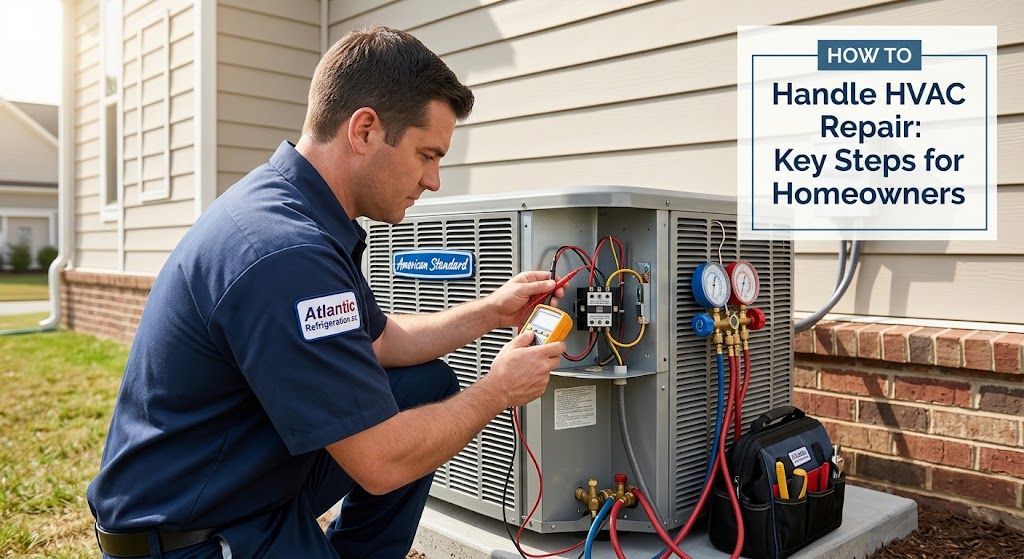
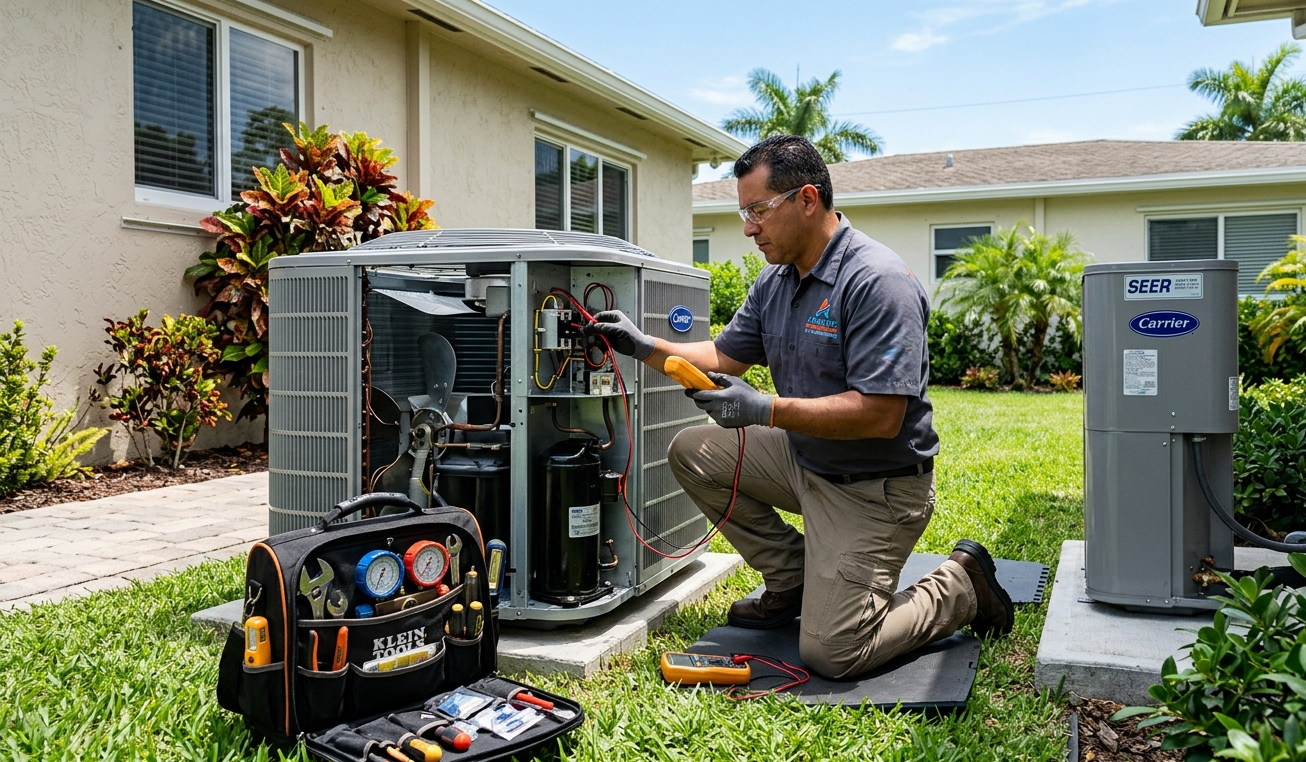
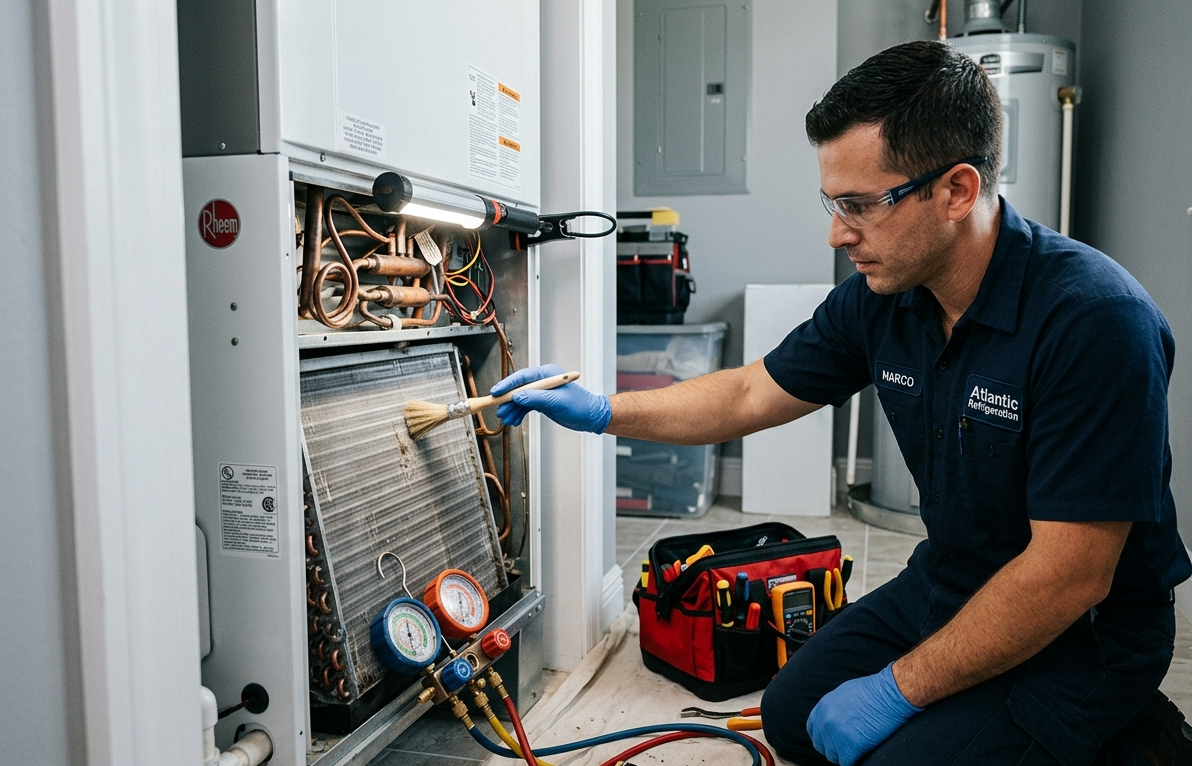
While basic maintenance can be handled by homeowners, comprehensive mechanical tune-ups require technical expertise and specialized tools. Professional technicians inspect internal electrical connections, measure refrigerant charge levels, calibrate safety controls, and clean delicate internal components that are otherwise inaccessible.
What Happens During a Professional AC Service Visit?
When a qualified technician performs a professional evaluation, they execute a comprehensive checklist designed to restore system efficiency and catch hidden mechanical issues.
+-------------------------------------------------------------------+
| PROFESSIONAL AC SERVICE CHECKLIST |
+-------------------------------------------------------------------+
| 1. Electrical System & Safety Inspection |
| - Measure voltage and current draw on motors and compressor. |
| - Tighten electrical connections and inspect contactors. |
| - Test capacitor health and safety cut-off switches. |
| |
| 2. Refrigerant & Cooling Performance Diagnostics |
| - Check operating pressures using digital manifold gauges. |
| - Test for micro-leaks along copper refrigerant lines. |
| - Measure supply and return air temperature differential. |
| |
| 3. Mechanical Cleaning & System Calibration |
| - Chemically clean outdoor condenser coils. |
| - Inspect and clean indoor evaporator coils. |
| - Flush condensate drain lines and clear pan debris. |
| - Lubricate moving parts and balance blower components. |
+-------------------------------------------------------------------+
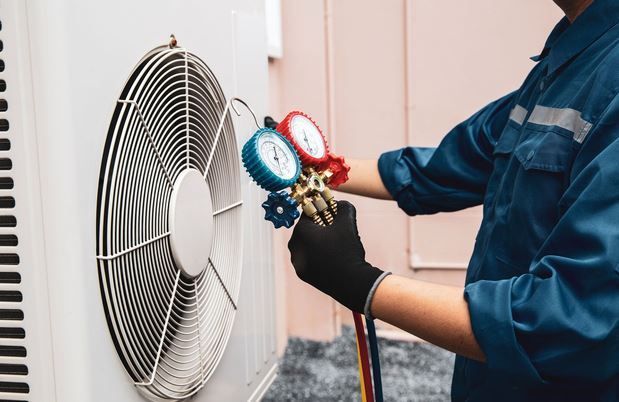
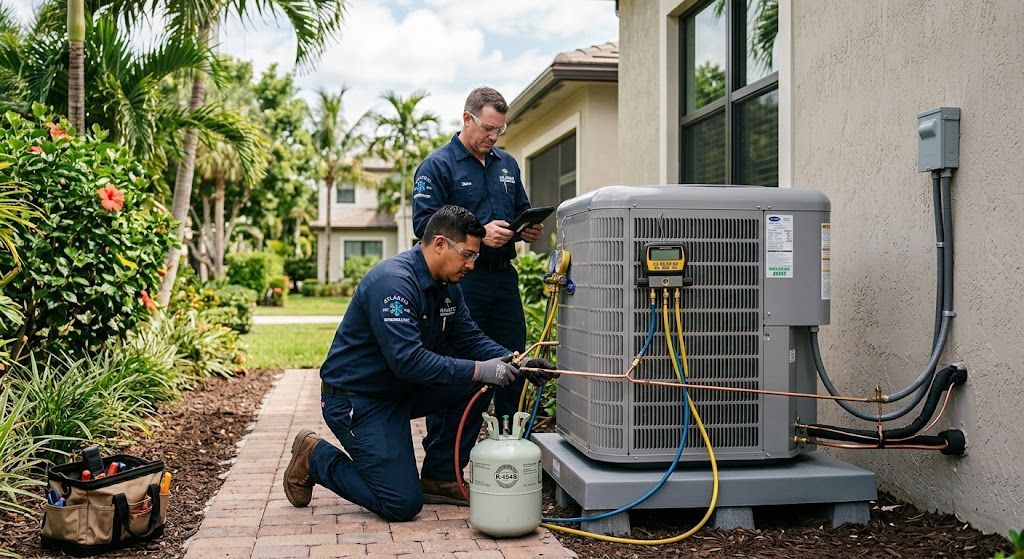
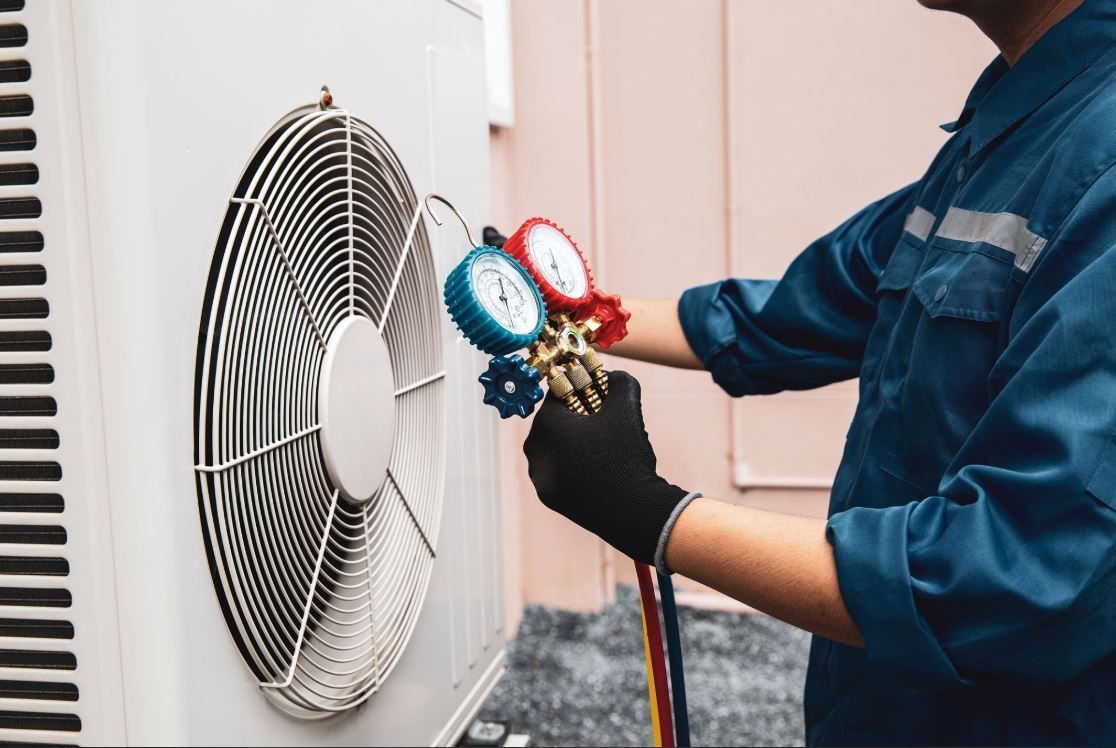
During the visit, the technician uses specialized equipment like digital manifold gauges to verify that your refrigerant levels strictly match original manufacturer specifications. Incorrect refrigerant levels—whether too high or too low—significantly lower cooling output and can destroy the compressor over time.
When to Repair vs. Replace Your Cooling System
Every air conditioning system eventually reaches the end of its functional life. Knowing whether to repair an existing unit or invest in a modern, energy-efficient replacement depends on several clear factors:
System Age
The average functional lifespan of a central air conditioner ranges from 10 to 15 years. If your system is over 12 years old and requires frequent repairs, replacement is often the more cost-effective long-term decision.
The $5,000 Rule
A useful guideline used by industry experts is the $5,000 Rule. Multiply the estimated cost of a repair by the age of your air conditioning unit in years:
$$\text{Repair Cost} \times \text{System Age in Years}$$
- If the total result is
less than $5,000, repairing the unit is usually reasonable.
- If the total result is
greater than $5,000, replacing the unit with a newer, high-efficiency model offers far better value.
Refrigerant Type
Older units manufactured prior to 2010 frequently utilize R-22 Freon refrigerant, which has been phased out due to environmental regulations. Repairing leaks in R-22 systems has become prohibitively expensive due to dwindling refrigerant supplies, making system upgrades a smarter financial choice.
Rising Utility Costs
If your energy bills continue to climb year after year despite regular home maintenance, your air conditioner has likely lost its operational efficiency. Replacing an old SEER 10 unit with a modern SEER2 16+ system can cut cooling electricity usage by up to 30–50%.
Frequently Asked Questions
How often should I have professional maintenance performed on my cooling system?
You should schedule a professional tune-up at least once a year, ideally in early spring before the summer heat arrives. Annual check-ups ensure your system operates efficiently, reduces the risk of mid-summer breakdowns, and maintains active manufacturer warranty coverage.
Why is my air conditioner blowing warm air?
An air conditioner blowing warm air can stem from several distinct causes:
- A dirty air filter restricting system airflow.
- An incorrect thermostat setting (such as the fan set to "ON" rather than "AUTO").
- A tripped circuit breaker to the outdoor unit.
- Low refrigerant levels due to a system leak.
- A malfunctioning compressor or failed capacitor.
Can I run my air conditioner without a filter?
No, you should never operate your system without an air filter installed. Running the unit without a filter allows dust, dirt, and airborne particles to blow directly onto the wet evaporator coil. This causes dirt to stick to internal components, leading to clogged coils, frozen lines, and severe mechanical failure within a short time.
Final Thoughts on Maintaining Home Comfort
Taking a proactive approach to cooling system upkeep pays off in continuous home comfort, lower monthly utility bills, and longer equipment life. By performing simple tasks like replacing filters monthly and keeping outdoor units clear, you reduce everyday stress on your system.
When complex mechanical issues arise or annual tune-ups are due, relying on skilled professionals ensures every electrical and mechanical component is tuned for peak performance. Investing in comprehensive
ac service guarantees your system remains dependable, safe, and efficient through every summer heatwave. Keep your home comfortable year-round by establishing a regular maintenance routine today.