Managing a commercial kitchen, grocery store, or food storage facility comes with strict demands. Among your most vital operational assets is cooling infrastructure. When a walk-in cooler fails or a reach-in freezer loses temperature, inventory spoils quickly, business halts, and expenses surge. Proper management of cooling systems requires a strategic maintenance plan, clear troubleshooting protocols, and access to professional support.
This comprehensive guide walks you through essential steps to maintain your cooling equipment, troubleshoot minor issues, and protect your investments over time.
1. Conduct Daily Operational Checks
Prevention is far more effective and affordable than emergency repairs. Establishing simple daily habits prevents unexpected equipment breakdowns and protects perishable assets.
- Monitor Temperatures Routinely: Check and record internal temperatures at least twice daily. Walk-in freezers should remain at or below 0 degrees Fahrenheit, while standard refrigerators must stay below 40 degrees Fahrenheit.
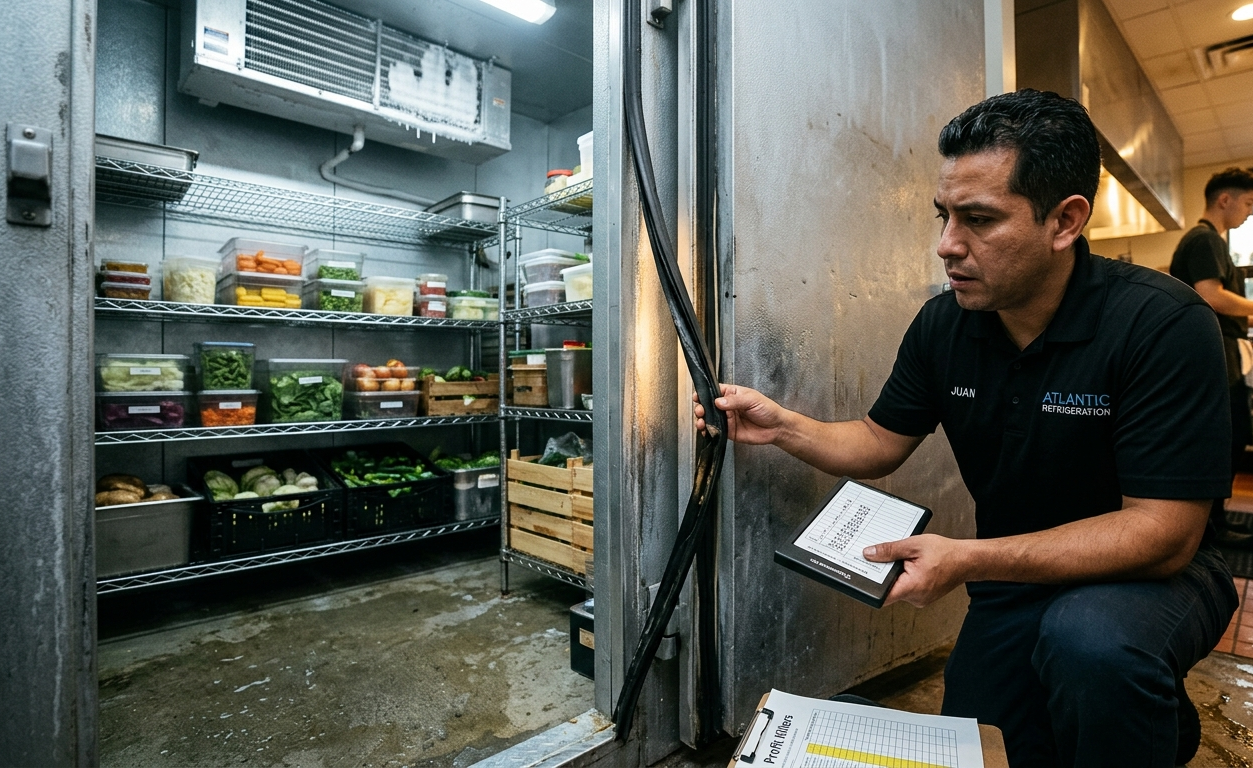
- Inspect Door Seals and Gaskets: Damaged or cracked rubber gaskets allow cold air to escape, causing compressors to work harder. Clean gaskets daily with warm soap and water to remove grease and food particles.
- Verify Air Circulation: Ensure stock is loaded evenly without blocking air vents. Overcrowding prevents cold air from flowing freely, creating warm spots inside the unit.
- Check Drainage Lines: Look for standing water or moisture buildup near the base of units. Clogged condensate drains can leak onto floors, creating safety hazards and ice build-up.
2. Implement a Monthly Cleaning Protocol
Dust, dirt, and airborne grease accumulate quickly in busy commercial environments. Routine cleaning keeps components cool and prolongs equipment lifespan.
Clean Condenser Coils
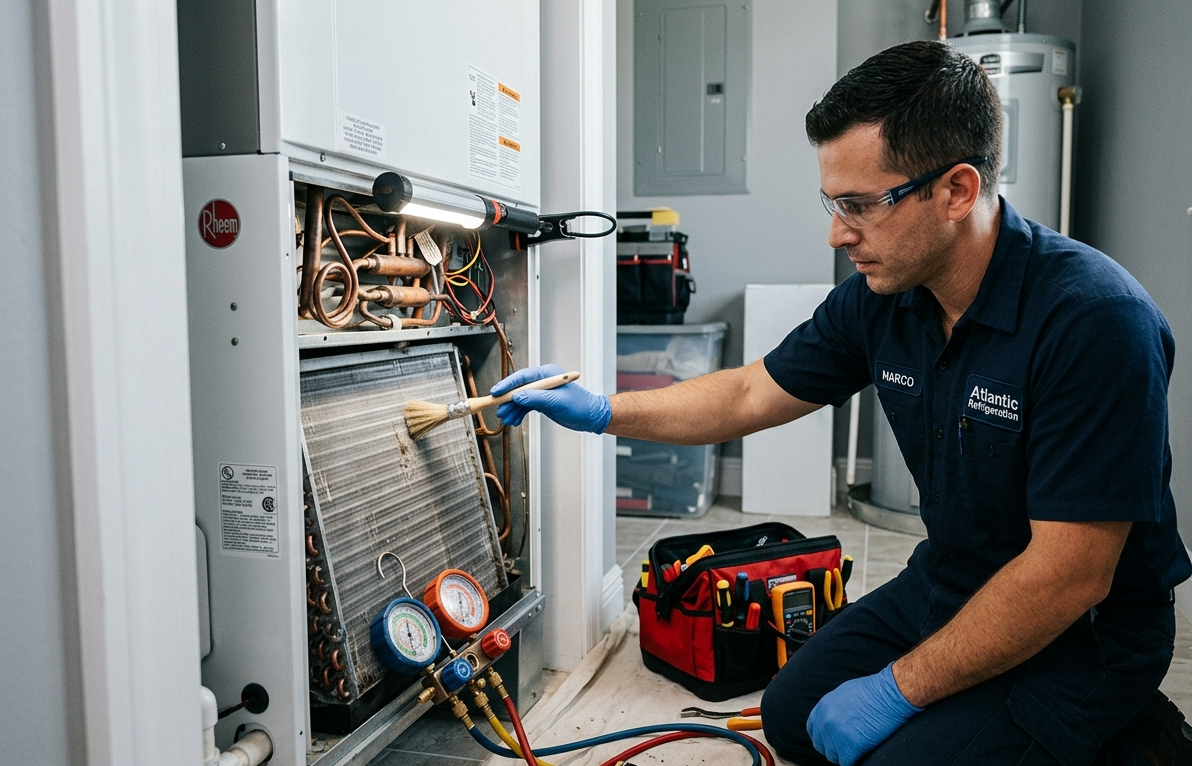
Condenser coils transfer heat away from the unit. When coated in dust or grease, heat remains trapped, forcing the system to run continuously.
- Turn off power to the unit at the circuit breaker.
- Remove the protective grate or access panel exposing the coils.
- Use a stiff brush or commercial coil vacuum to gently remove debris from fins.
- Clean surrounding dust off fans and electrical enclosures before restoring power.
Inspect Evaporator Coils
Evaporator coils draw heat out of the internal cabinet. Keep cabinet interiors clear and clean coils periodically using specialized cleaner to prevent mold, mildew, and ice build-up.
3. Troubleshoot Common System Issues
Recognizing signs of failure early saves thousands in emergency repairs. Here is how to diagnose common warning signs:
Unusual Noises
Rattling, squealing, or grinding sounds often indicate worn fan bearings, loose mounting brackets, or compressor issues. Address mechanical noises immediately before components seize up entirely.
Frost or Ice Accumulation
Excess ice on evaporator coils usually stems from restricted airflow, faulty defrost heaters, or worn door seals that admit humid air. Thaw ice manually and inspect gaskets to identify the root cause.
Frequent Temperature Swings
If temperatures fluctuate wildly, verify that thermostat sensors are not blocked by food containers. If airflow is clear, the thermostat or control module may require recalibration or replacement.
4. Know When to Call Certified Experts
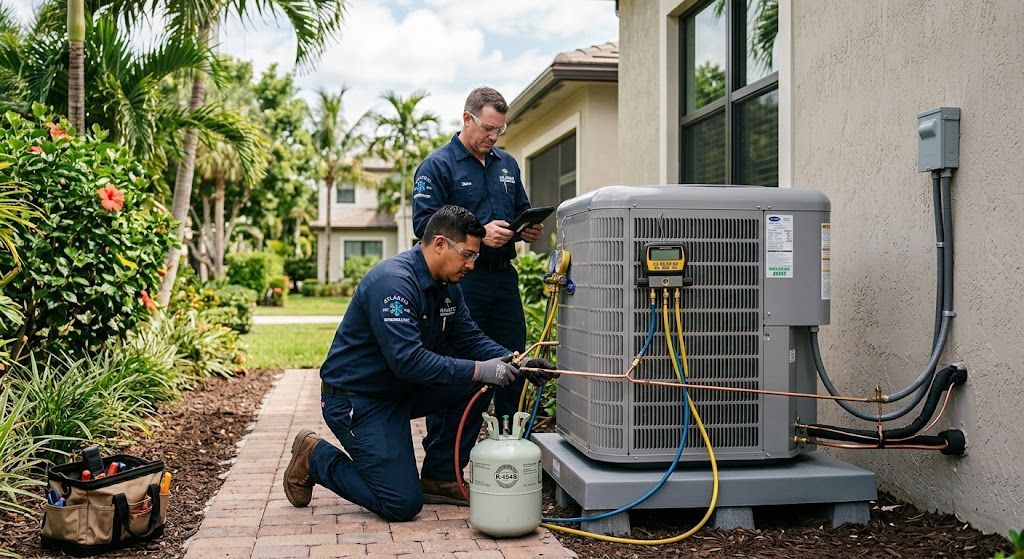
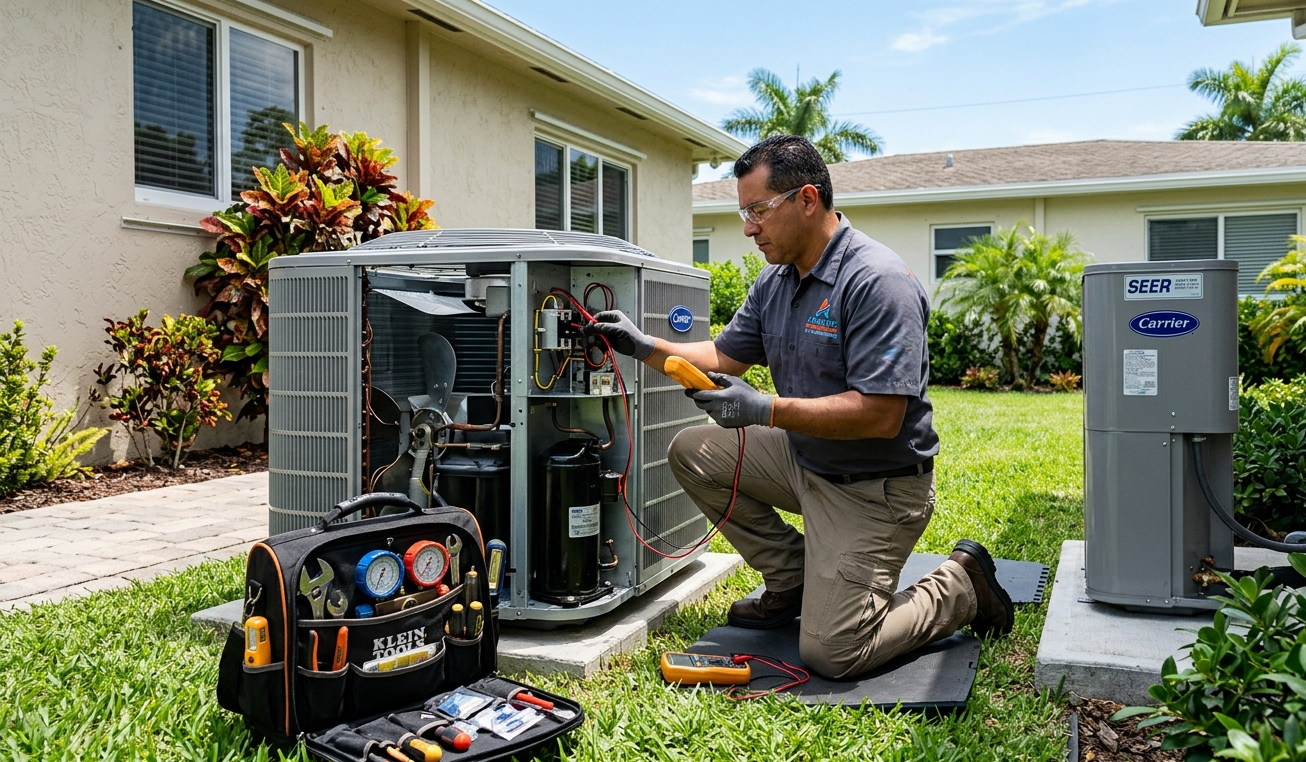
While routine cleaning and daily checks remain in-house responsibilities, major technical issues demand trained technicians. Complex systems rely on pressurized refrigerants, high-voltage electrical connections, and micro-controllers that present safety hazards to untrained personnel.
Call a qualified technician if you encounter:
- Refrigerant leaks or low system pressure
- Electrical short circuits or repeatedly tripped breakers
- Compressor short-cycling or refusal to start
- Persistent icing that returns after manual defrosting
- Compliance audits requiring certified maintenance records
Selecting trusted professionals who offer dependable
refrigeration services ensures your equipment operates safely, meets local health regulations, and runs at peak efficiency year-round.
5. Partner with Professionals for Long-Term Care
Establishing a preventative maintenance contract with a reliable provider is one of the smartest operational choices a business can make. Routine professional inspections identify worn belts, electrical decay, and refrigerant leaks long before they turn into costly mid-service failures. With expert monitoring, routine adjustments, and prompt technical support, you can minimize downtime, extend system lifespan, and keep your business running smoothly.