Living in Delray Beach, Florida, means enjoying year-round sunshine, vibrant coastal culture, and warm ocean breezes. However, it also means relying heavily on your home’s air conditioning system to stay comfortable. When temperatures rise and tropical humidity peaks, a functioning AC isn't just a luxury—it's an essential part of daily life.
Understanding how to care for your cooling system, identifying the early signs of mechanical trouble, and knowing when to seek professional assistance can save you thousands of dollars in emergency repairs and energy expenses. This comprehensive guide covers everything you need to know about managing your indoor climate, improving energy efficiency, and maintaining year-round comfort in South Florida.
The Reality of Air Conditioning in Coastal South Florida
South Florida’s climate presents a unique set of challenges for residential and commercial heating, ventilation, and air conditioning (HVAC) equipment. Unlike cooler climates where air conditioners run intermittently during peak summer weeks, cooling systems in Palm Beach County operate almost continuously throughout the year.
Salt Air Corrosion and Humidity Control
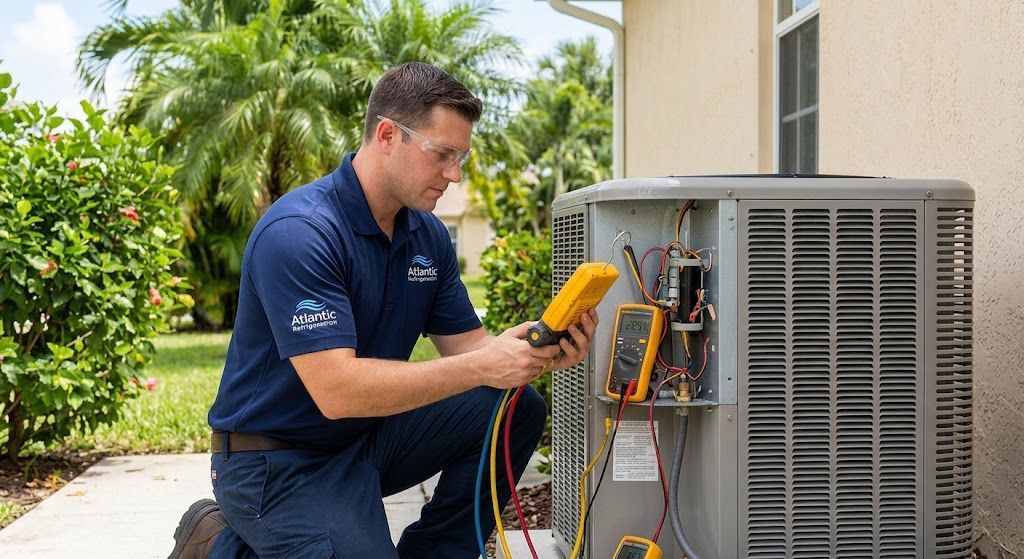
Delray Beach properties face constant exposure to salt-laden coastal air. Airborne salt particles accelerate the oxidation of metal components, particularly condenser coils and electrical connections housed in outdoor units. Without proper maintenance, corrosion drastically reduces heat transfer efficiency and shortens the expected lifespan of equipment.
Additionally, managing high indoor humidity is just as important as lowering air temperature. An effective air conditioner acts as a dehumidifier, pulling moisture out of the air before circulating it back into your living space. If your cooling system is short-cycling or improperly sized, it will fail to remove excess moisture. High indoor humidity creates an ideal environment for biological growth inside ductwork and on drywall, leading to poor indoor air quality and potential structural damage.
Early Warning Signs Your System Needs Professional Care
Air conditioning systems rarely fail without warning. Paying attention to subtle changes in performance allows you to catch minor issues before they turn into complete mechanical failures.
Weak or Warm Airflow
If you notice reduced air coming from your vents, or if the air feeling warm, the cause could range from a clogged air filter to a faulty blower motor or low refrigerant levels. Restricting airflow forces the compressor to work harder, increasing wear and elevating monthly utility costs.
Frequent Cycling and Constant Operation
Air conditioners operate in structured cycles to reach and maintain your set thermostat temperature. If your unit turns on and off rapidly every few minutes—a phenomenon known as short-cycling—it places intense physical strain on electrical components and compressors. Conversely, a system that runs continuously without cooling your home to the desired temperature indicates a significant loss of efficiency or refrigerant loss.
Strange Sounds and Odors
Modern air conditioners operate with a predictable background hum. Sharp metal-on-metal scraping, loud banging, continuous squealing, or persistent clicking usually indicate worn bearings, loose fan blades, or failing relays.
Odors are equally concerning. A damp, musty smell coming from your supply vents often indicates standing water in the drain pan or biological accumulation along the evaporator coil. A burning odor suggests overheating electrical wiring or mechanical friction.
Unexpected Moisture or Water Leaks
Condensation naturally forms inside an active cooling system. However, that water should drain safely through a designated condensate line. If you notice pooling water near your indoor handler, your drain line is likely clogged with algae, dirt, or debris. Left unaddressed, overflowing drain pans can cause severe water damage to ceilings, floors, and surrounding insulation.
Key Strategies to Improve HVAC Efficiency and Lower Energy Bills
Operating an efficient air conditioner is one of the most effective ways to manage household expenses in Florida. Implementing proactive measures helps keep energy consumption down while extending the lifespan of your cooling system.
Upgrade to a Smart Thermostat
Installing a programmable or smart thermostat gives you total control over your indoor climate, even when you aren't at home. Programming higher temperatures while you're away at work or traveling reduces continuous strain on your compressor. Smart systems adapt to your habits, monitor humidity levels, and send real-time alerts if system performance drops.
Replace Air Filters Regularly
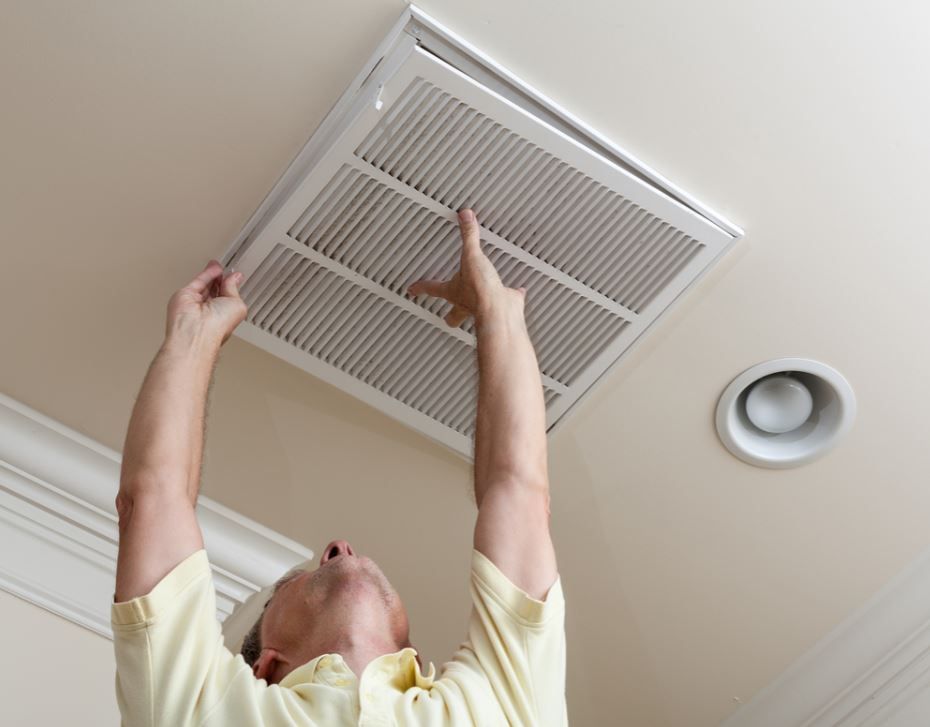
A dirty air filter is the leading cause of avoidable system malfunctions. When dust and debris clog the filter, air cannot pass freely through the return vents. This forces the blower motor to work harder, restricts cooling capacity, and can eventually cause the indoor evaporator coil to freeze into a solid block of ice. Replace standard 1-inch filters every 30 to 60 days, or more frequently if you have pets or allergies.
Keep the Outdoor Condenser Unit Clear
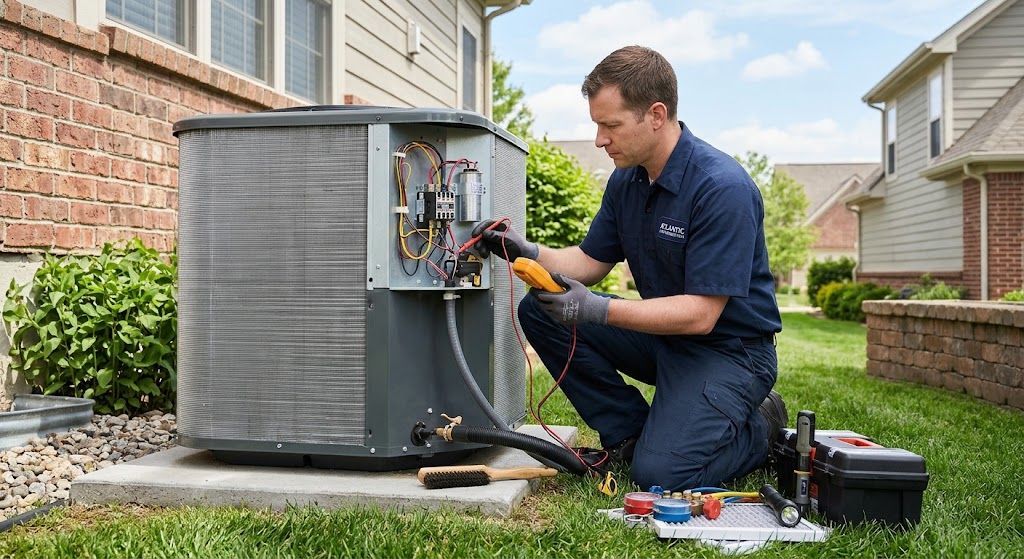
Your outdoor condenser unit requires unobstructed airflow to dump interior heat into the outside atmosphere. Inspect the perimeter of the unit monthly and trim back palm fronds, shrubbery, and overgrown foliage to maintain at least two to three feet of clear space around the cabinet. Remove grass clippings, leaves, and coastal debris that may collect along the fin surfaces.
Preventive Maintenance: Your Best Defense Against Unexpected Failures
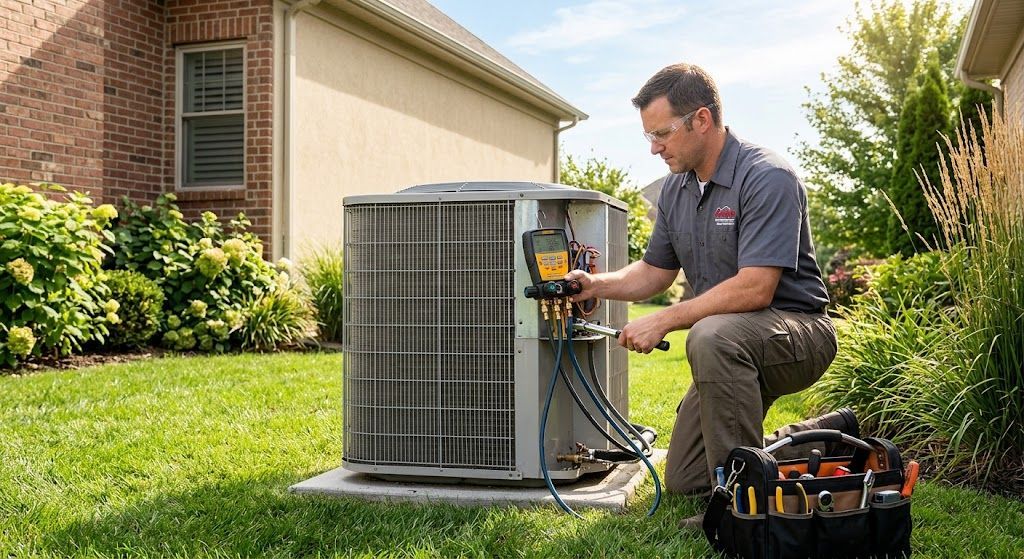
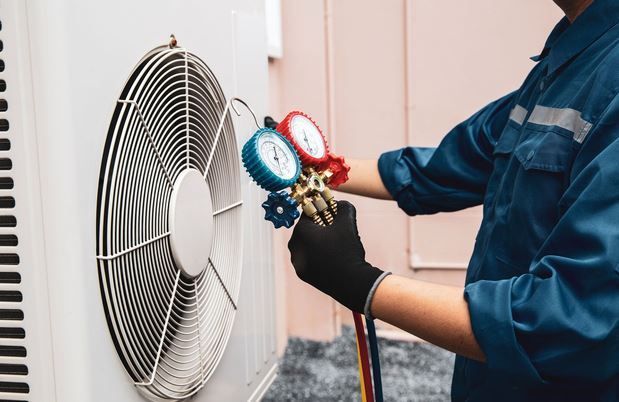
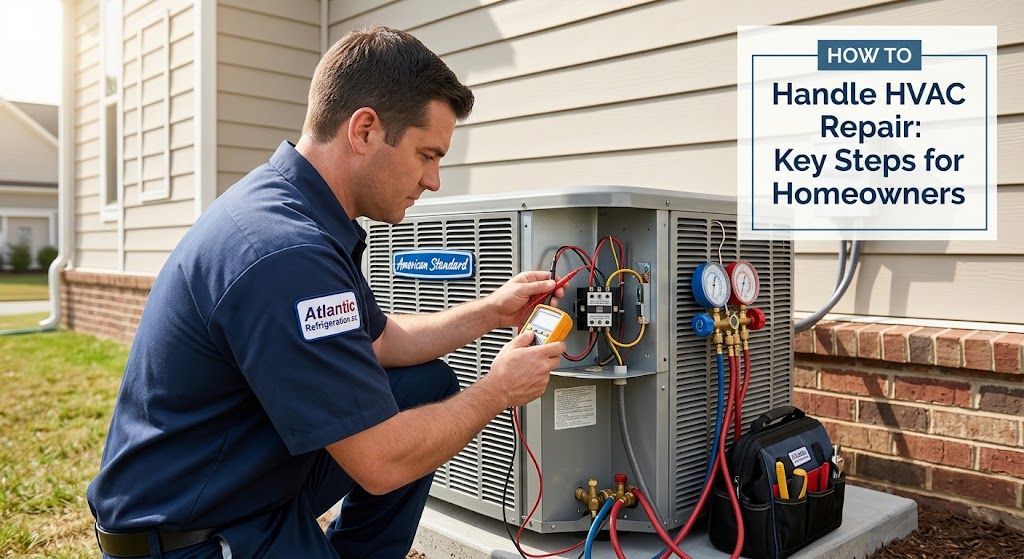
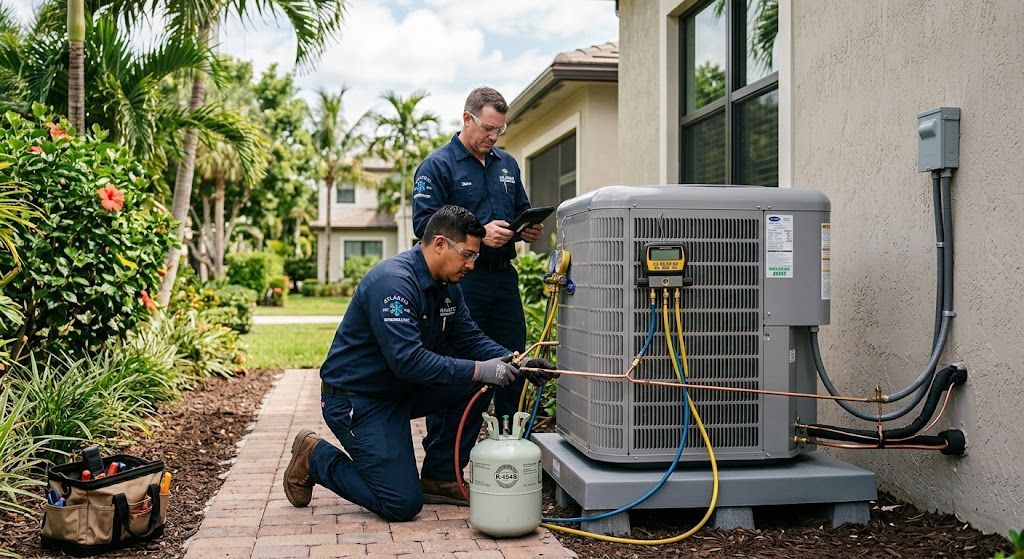
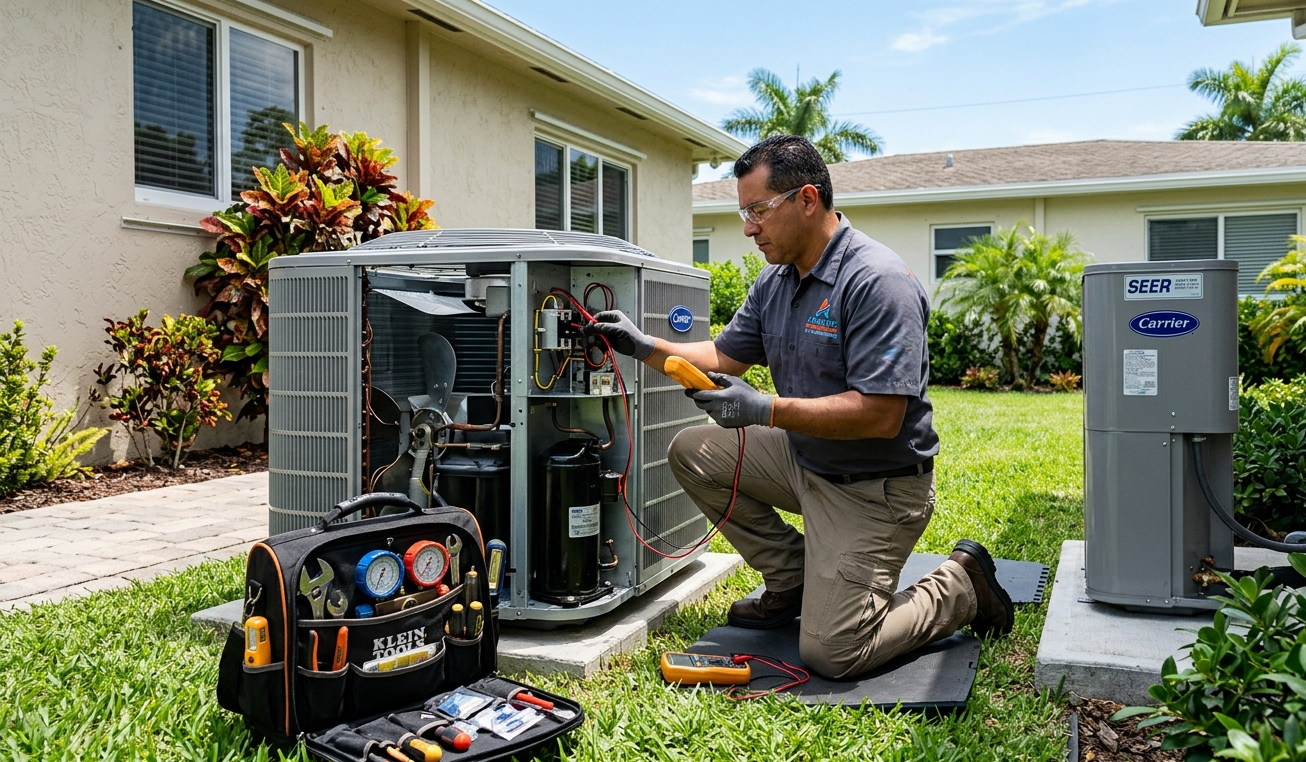
While basic upkeep like changing air filters can be done by homeowners, comprehensive tune-ups require specialized equipment, diagnostic instruments, and technical training. Annual or bi-annual professional maintenance provides significant long-term advantages:
- Extended Equipment Lifespan: Regular lubrication, electrical checks, and cleaning reduce physical wear on key components, helping systems reach their full expected lifespan of 10 to 15 years.
- Lower Utility Bills: Clean coils, properly calibrated controls, and balanced refrigerant levels keep the system operating at peak seasonal energy efficiency ratio (SEER2) levels.
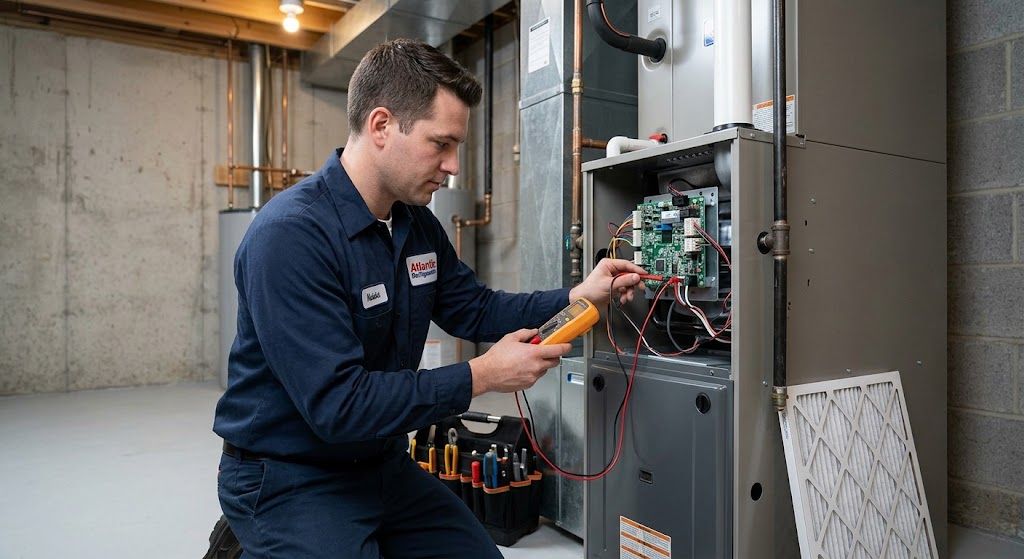
- Fewer Emergency Breakdowns: Technicians identify worn capacitors, loose wiring, or minor leaks during routine inspections, preventing total system failures during extreme heat waves.
- Improved Indoor Air Quality: Deep cleaning of drain lines, drip pans, and interior components removes dust accumulation and prevents airborne contaminants from circulating through your home.
Knowing When to Repair vs. Replace
Every home comfort system eventually reaches the end of its functional life. Deciding whether to invest in ongoing repairs or upgrade to a modern, energy-efficient system depends on several factors:
The Age of the System
Air conditioners in coastal Florida work much harder than units in other parts of the country. If your system is over 10 to 12 years old and requires frequent service, replacing it often makes more economic sense than paying for repeated repairs.
The Frequency and Cost of Repairs
Use the "5,000 Rule" as a general guideline: multiply the age of your system in years by the estimated repair cost. If the total exceeds $5,000, investing that money toward a new, high-efficiency system is typically the wiser choice.
Phase-Out of Older Refrigerants
Older air conditioning units often use R-22 refrigerant (commonly known as Freon), which has been phased out due to environmental regulations. Servicing older systems that rely on obsolete refrigerants is increasingly expensive. Upgrading to a modern system utilizing environmentally friendly, widely available refrigerants ensures long-term serviceability and lower environmental impact.
Advanced Features in Modern Systems
Modern cooling equipment offers features that significantly improve daily comfort and energy efficiency:
- Variable-Speed Compressors: Adjust cooling output in precise increments rather than running at 100% capacity constantly, saving energy and providing smooth, quiet operation.
- Enhanced Dehumidification: Superior moisture removal ensures indoor spaces feel cool and crisp even on high-humidity days.
- Ductless Mini-Split Systems: Ideal for home additions, sunrooms, or luxury estates requiring individual temperature zones without extensive ductwork modifications.
When facing repeated mechanical failures or high cooling costs, working with experienced technicians for
Delray Beach AC Repair ensures your home receives expert diagnostics, transparent options, and dependable craftsmanship tailored to South Florida’s demanding climate.
Final Thoughts on Long-Term Indoor Comfort
Maintaining a cool, healthy home environment in Delray Beach requires a balance of attentive home management and reliable professional care. By recognizing early performance issues, maintaining clean filters, keeping outdoor components clear, and prioritizing routine maintenance, you protect your financial investment and ensure uninterrupted indoor comfort year after year. Whether managing a single-family home, a downtown condominium, or a commercial space, taking a proactive approach to your climate control systems will keep your space comfortable through every season.