Living in South Florida means relying heavily on your central air conditioning system almost every day of the year. When your cooling system struggles to keep up with the intense coastal humidity and soaring temperatures, finding fast, effective Delray Beach HVAC repair becomes a top priority for any local homeowner. A sudden breakdown, weak airflow, or warm air blowing from your vents can turn a comfortable living room into an unbearable sauna within hours.
Understanding how your air conditioner works and knowing how to handle initial troubleshooting can save you valuable time, lower your energy bills, and help you determine when it is necessary to call in a licensed expert. This comprehensive guide walks you through the essentials of coastal cooling maintenance, common system issues, and practical steps to keep your home comfortable year-round.
Understanding the Unique Demands on South Florida HVAC Systems
Air conditioning systems in coastal communities like Delray Beach face far more stress than systems in milder northern climates. Understanding these unique factors helps homeowners spot warning signs early and schedule necessary repairs before complete equipment breakdown occurs.
Severe Salt Air Corrosion
The ocean breeze brings beauty and pleasant ocean air, but it also carries micro-particles of sea salt. Over time, salt deposits accumulate on the delicate aluminum fins of outdoor condenser coils. This ocean salt accelerates metal oxidation, leading to pinhole refrigerant leaks, reduced heat transfer efficiency, and premature coil failure. Regular professional cleaning and protective coil coatings are crucial preventive measures against coastal corrosion.
High Year-Round Relative Humidity
In South Florida, humidity control is just as essential as indoor cooling. Your HVAC system works continuously to extract excess moisture from the surrounding air. When a system runs inefficiently or is sized incorrectly, high humidity levels remain inside the home. High indoor moisture creates ideal conditions for biological growth inside air ducts, weakens drywall, and leaves indoor spaces feeling sticky even at lower thermostat settings.
Extended Annual Run Times
Unlike systems in northern states that rest during long spring and autumn seasons, coastal Florida cooling units often operate over 2,500 to 3,000 hours per year. This constant workload places extreme operational wear on electrical components, compressor motors, fan bearings, and capacitor contacts.
7 Essential Steps to Troubleshoot and Resolve HVAC Cooling Issues
When your air conditioner begins underperforming, running systematic checks can help pinpoint whether the problem is a simple fix or requires specialized technical tools. Follow these practical troubleshooting steps before calling for professional intervention.
Step 1: Inspect and Replace Clogged Air Filters
Restricted airflow remains the leading cause of premature system shutdowns, frozen evaporator coils, and high electric bills.
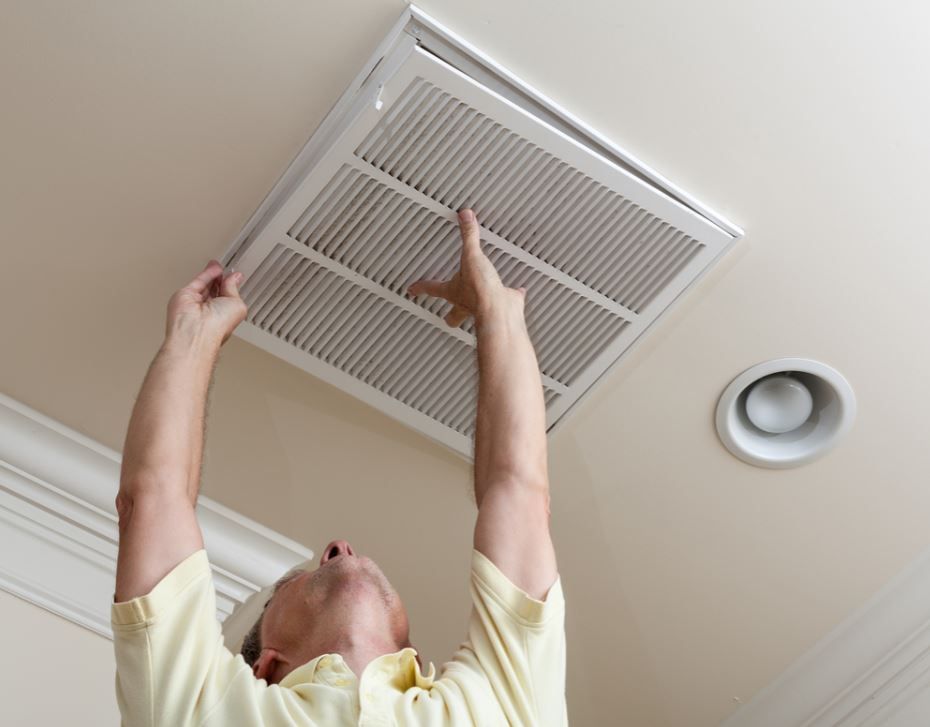
- Check Filter Status: Remove your return air grille filter and hold it up to a bright light source. If light cannot pass through easily, the filter is clogged.
- Replace Promptly: Install a clean, correctly sized filter every 30 to 60 days during peak summer months.
- Avoid Over-Restriction: While high-MERV filters catch microscopic particles, filters rated too high can severely restrict airflow on older air handler motors, leading to system freeze-ups.
Step 2: Calibrate and Audit Thermostat Settings
Incorrect thermostat operation frequently mimics a major mechanical breakdown.
- Verify Power: Ensure the thermostat display is responsive. Replace internal batteries if the screen appears dim or completely blank.
- Confirm Cooling Mode: Verify that the system setting is set to "Cool" rather than "Heat" or "Off", and set the fan setting to "Auto" instead of "On". Running the fan on "On" continuously blows moisture back into your living space off a wet evaporator coil after the cooling cycle stops.
- Lower Target Temperature: Adjust the thermostat target temperature 5 degrees below the current room temperature to verify whether the indoor air handler and outdoor compressor start running.
Step 3: Inspect Electrical Breakers and Safety Disconnects
High summer electricity demands and occasional severe afternoon thunderstorms can trip safety breakers, cutting power to your equipment.
- Check the Main Electrical Panel: Locate the circuit breakers labeled "AC", "Air Handler", or "Heat Pump". If a breaker has tripped to the neutral middle position, turn it fully to the "Off" position first, then reset it to "On".
- Check the Outdoor Disconnect Box: Ensure the outdoor electrical disconnect switch located near the condenser unit is fully engaged and plugged in securely.
- Avoid Repeated Resets: If a circuit breaker trips again immediately after resetting, do not force it back on. A repeatedly tripping breaker indicates a severe electrical short circuit, grounded compressor motor, or faulty capacitor that requires immediate professional evaluation.
Step 4: Clear the Condensate Drain Line
High indoor humidity means your AC produces gallons of condensation every single day. If the drain line becomes clogged with algae, sludge, or biological buildup, safety float switches trigger an automatic system shutdown to prevent indoor water damage.
- Locate the Drain Line: Find the PVC drain pipe near your indoor air handler unit.
- Clear Minor Blockages: Carefully pour a cup of plain warm water or white vinegar down the condensate T-trap to break down algae growth.
- Inspect the Drain Pan: If the drain pan underneath the indoor unit is filled with standing water, use a wet/dry shop vacuum attached to the exterior exit drain line to pull out deep clogs and restore drainage flow.
Step 5: Clean and Clear the Outdoor Condenser Area
Your outdoor unit relies on uninterrupted airflow to reject heat drawn from inside your home out into the surrounding atmosphere.
- Clear Debris: Remove accumulated leaves, yard clippings, palm fronds, and dirt from around the base of the outdoor cabinet.
- Maintain Clearance Boundaries: Trim back bushes, hedges, and garden plants to ensure at least two feet of clear space around all sides of the outdoor unit.
- Rinse Coils Gently: Use a soft-spray garden hose to gently wash away dirt and salt buildup from the exterior fins. Never use high-pressure power washers, as intense pressure permanently bends delicate aluminum coil fins.
Step 6: Listen for Unusual Mechanical Noises
Operational sounds offer direct clues regarding internal mechanical health.
- Screeching or Grinding: Indicates worn motor bearings or a failing indoor blower wheel assembly.
- Clicking Without Turning On: Suggests a failed electrical relay, weak run capacitor, or blown control board fuse.
- Buzzer/Humming Sounds: Points toward a stalled outdoor fan motor or a struggling compressor motor attempting to start under load.
- Hissing or Bubbling: Signals a high-pressure refrigerant leak somewhere within the closed coil circuit.
Step 7: Schedule Professional Technical Service
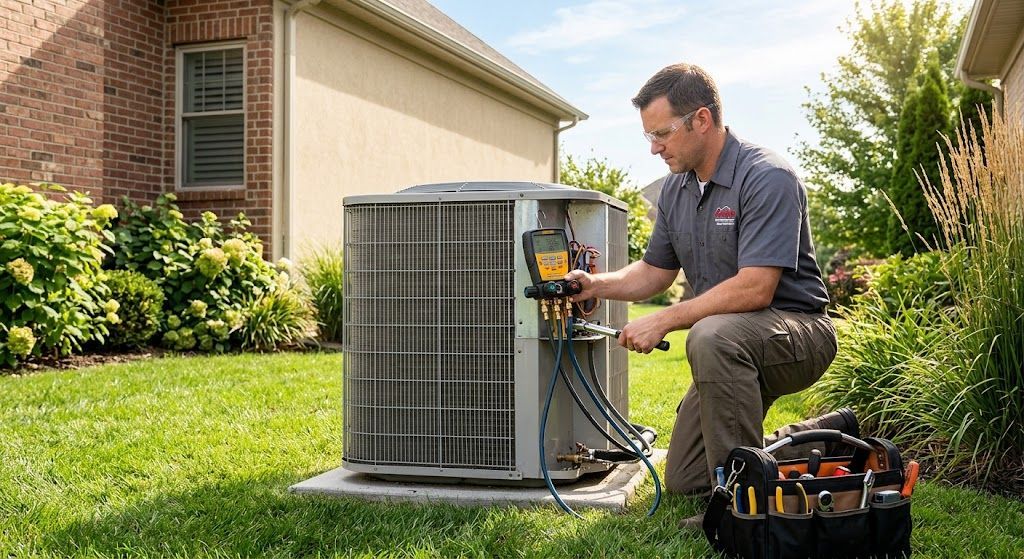
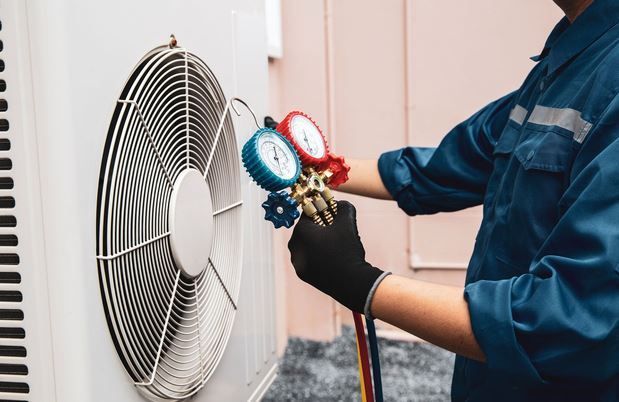
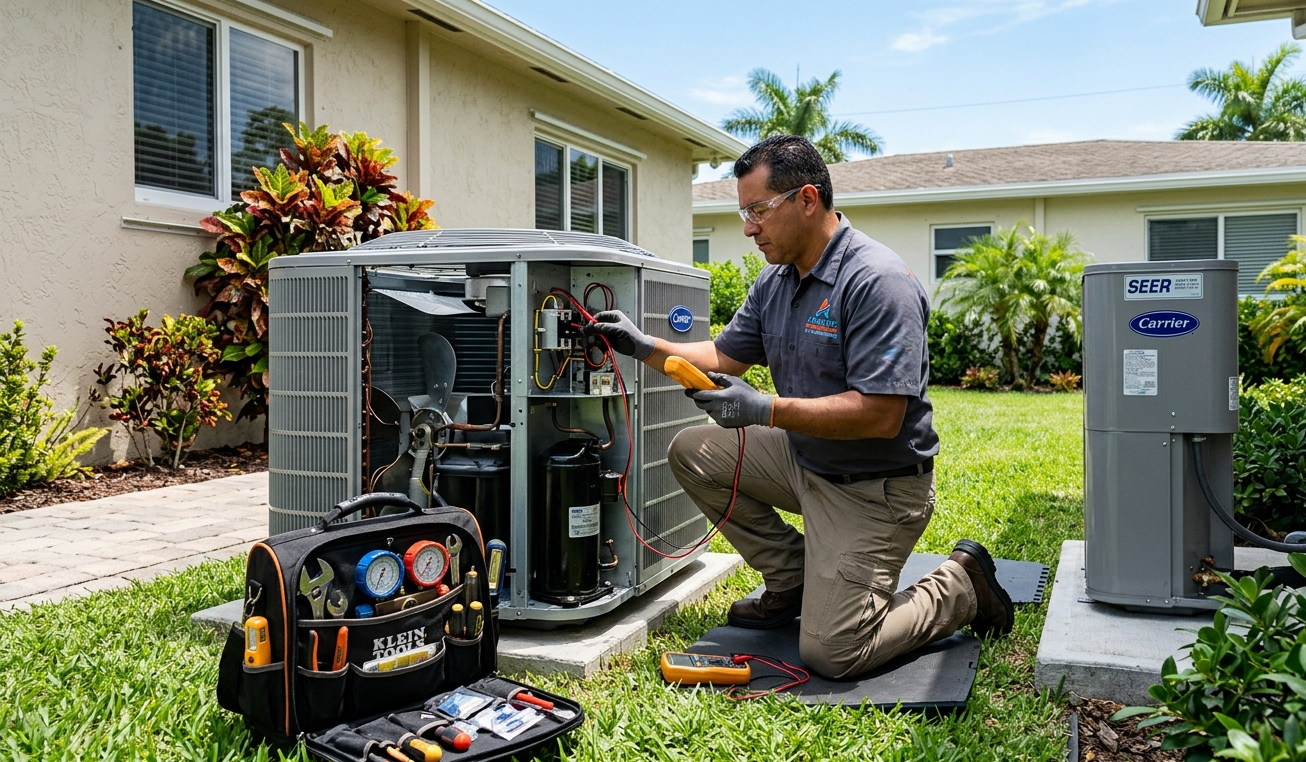
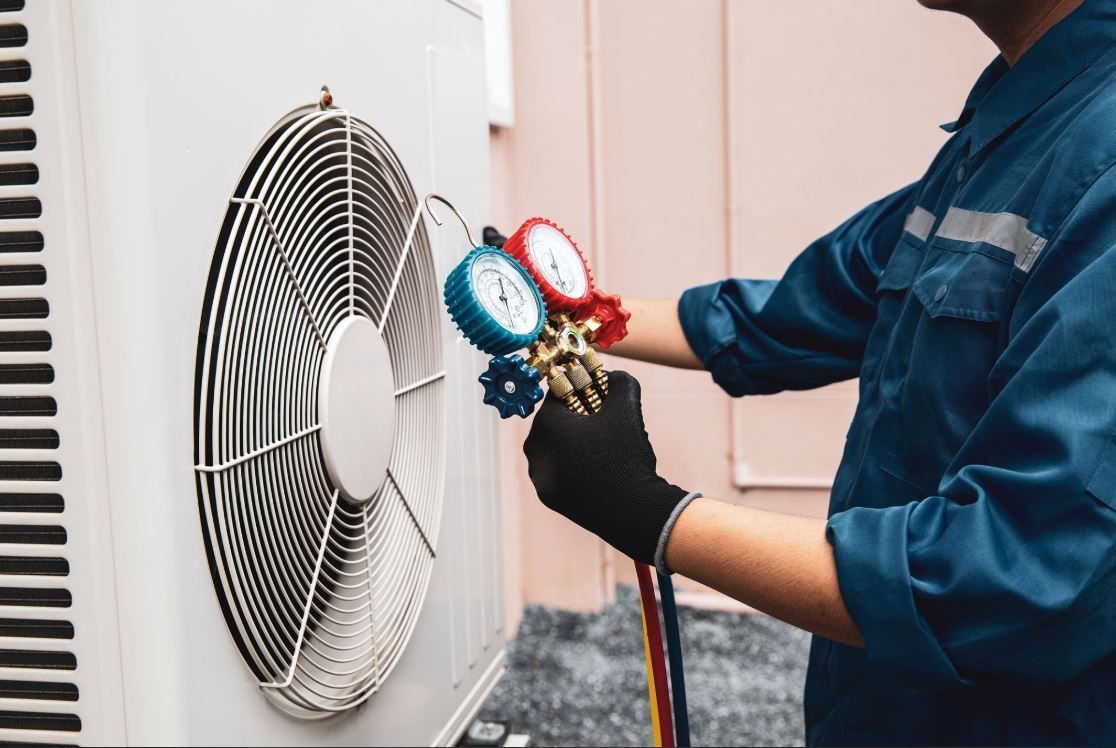
When preliminary checks fail to restore cool air, expert technical diagnostics are necessary. Certified technicians utilize specialized digital gauge manifolds, thermal imaging tools, and electrical meters to diagnose complex internal failures safely and accurately.
When to Seek Urgent Professional Repair
While basic maintenance tasks like filter changes and surface cleaning belong on every homeowner's routine checklist, certain technical tasks require specialized licensing and high-voltage training.
Attempting complex DIY fixes on high-voltage components or sealed refrigerant lines can cause severe personal injury, invalidate manufacturer equipment warranties, and lead to total system failure.
Low Refrigerant Levels and Pinpoint Leak Detection
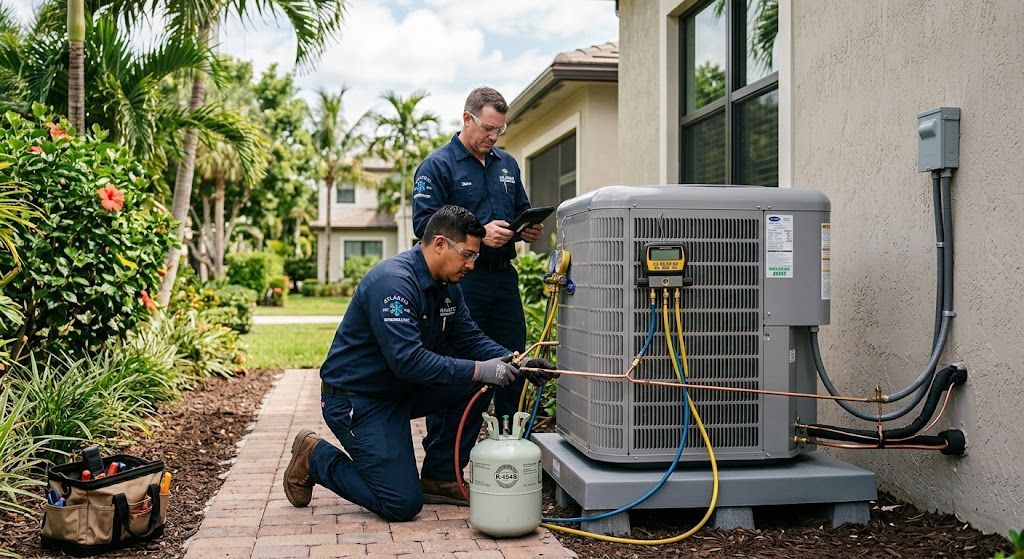
Air conditioners do not burn through or consume refrigerant like fuel in a car engine. If your system is low on refrigerant, a leak exists within the sealed copper tubing, braze joints, or coil assemblies. Professional technicians perform nitrogen pressure tests, electronic leak detection, and precision brazing to repair leaks before recharging the system to exact factory specification weights.
Electrical Component Diagnostics and Replacement
Modern cooling equipment relies on dual-run capacitors, heavy-duty contactors, hard start kits, and delicate electronic circuit control boards. Diagnosing failed electrical circuits requires measuring voltage, microfarads, and electrical resistance while components carry live current.
Ductwork Leakage and Air Balancing Repairs
Inaccessible, leaky, or crushed air ductwork located in hot attic spaces forces cooled air out into unconditioned attic areas while pulling hot, humid air down into your living rooms. Professional duct testing, sealing, and airflow balancing ensure every room receives equal cooling performance.
Simple Preventive Maintenance Routine for South Florida Homeowners
Staying proactive with regular maintenance prevents sudden mid-summer failures and extends system lifespan. Follow this practical seasonal schedule:
Monthly Maintenance Actions
- Inspect the air filter and replace it as soon as dirt accumulates.
- Flush the primary condensate drain pipe with warm water or white vinegar.
- Visually check the outdoor unit to clear away blown palm leaves or yard debris.
Quarterly Maintenance Actions
- Visually inspect exposed ductwork in garages or closets for signs of air leaks or loose insulation.
- Gently rinse the outdoor condenser coils with a low-pressure garden hose to wash away coastal salt spray.
- Ensure supply registers and return air vents throughout the house remain fully unblocked by furniture or curtains.
Annual Maintenance Actions
- Schedule a comprehensive tune-up with a qualified cooling specialist.
- Request a thorough electrical connection check and motor amperage draw analysis.
- Ask for precision refrigerant charge measurements and evaporator coil cleanliness inspections.
Benefits of Timely Maintenance and Professional Care
Investing in prompt repairs and regular professional service pays significant long-term dividends for South Florida property owners:
Lower Monthly Utility Expense
A fully clean, correctly charged air conditioning system uses substantially less electrical energy to cool your living space, keeping summer electric bills manageable.
Extended Equipment Operating Life
Addressing small mechanical issues early prevents domino-effect damage to expensive core components like the scroll compressor motor.
Superior Indoor Air Quality
Clean evaporator coils, clear drain lines, and properly sealed ductwork prevent excess moisture, dust, and airborne allergens from circulating through your home.
Partnering with Local Service Experts
When troubleshooting steps reveal a complex mechanical or electrical fault, working with experienced local specialists is essential for long-term comfort and peace of mind. For fast response times, expert diagnostic precision, and complete system restoration, scheduling reliable
Delray Beach HVAC repair ensures your home remains cool, efficient, and comfortable through every season.
Summary Troubleshooting Checklist
To keep your cooling system running smoothly, follow this simple diagnostic flow whenever your home feels warmer than normal:
- Check Thermostat: Confirm settings are set to "Cool", fan to "Auto", and set temperature below room temperature.
- Inspect Filter: Swap out dirty or clogged filters immediately.
- Verify Power: Check breakers and outdoor disconnect switches.
- Inspect Drain Line: Ensure condensation flows freely and safety float switches are clear.
- Clear Outdoor Unit: Remove yard debris and maintain clear perimeter airflow.
- Call for Service: Contact licensed technicians for unusual sounds, frozen lines, or low refrigerant levels.
By staying proactive with simple DIY checks and partnering with local cooling experts when complex technical issues arise, you can protect your investment, maintain low energy costs, and enjoy ideal indoor climate control all year long.