Living in South Florida means your air conditioning system isn't just a comfort feature—it is an essential home appliance. Between intense heat, high humidity, and salty ocean air, homeowners need a cooling system that runs efficiently year-round. Navigating a
Delray Beach AC installation can feel overwhelming, but understanding the process helps you make smart choices for your home's energy efficiency, comfort, and budget.
This comprehensive guide walks you through every step of planning, sizing, choosing, and maintaining a new air conditioning system tailored specifically to the South Florida climate.
Step 1: Know When It Is Time to Replace Your System
Before jumping straight into purchasing new equipment, you must evaluate whether a repair will suffice or if replacement is the smarter long-term investment. Most central air conditioners in Coastal Palm Beach County last between 10 to 15 years due to the demanding workload and corrosion caused by salt air.
Watch for these clear signs that your home needs a fresh system:
- Age of the Unit: If your current heat pump or split system is over a decade old, its major components are likely nearing the end of their operational lifespan.
- Escalating Power Bills: Sudden spikes in energy consumption often indicate that internal compressors and fan motors are losing efficiency.
- Frequent and Pricey Repairs: Following the classic industry rule, if the cost of a repair multiplied by the system’s age exceeds $5,000, replacing the system is usually more economical.
- Humidity Control Issues: An aging air conditioner loses its ability to pull moisture out of the indoor air, leaving your home feeling sticky even when the thermostat reports a low temperature.
- Obsolete Refrigerant: Systems using older R-22 refrigerant are increasingly costly to service due to production phase-outs, making system upgrades a more financial strategy.
Step 2: Accurate Sizing with Manual J Calculations
One of the biggest mistakes homeowners make during a
Delray Beach AC installation is selecting an air conditioner based solely on square footage or replacing the old unit with an identical tonnage size without recalculating current needs.
An oversized system turns on and off rapidly without running long enough to dehumidify your living space, creating a cold, clammy environment that promotes mold growth. Conversely, an undersized unit runs continuously without reaching the set temperature, drastically driving up monthly utility costs.
Professional cooling contractors perform a rigorous load calculation (commonly referred to as a Manual J calculation) that considers multiple home characteristics:
- Total Living Area: Square footage, ceiling height, and layout orientation.
- Insulation Levels: Attics, exterior wall construction, and window insulation properties.
- Window Quality: The number, dimensions, and solar heat gain coefficients of windows facing south and west.
- Air Leakage Rate: The tightness of the building envelope and existing ductwork conditions.
- Occupancy and Appliances: The number of residents and heat-generating appliances inside the house.
By evaluating these specific criteria, you ensure your new air conditioner is sized perfectly to handle South Florida’s peak summer heat waves.
Step 3: Choose the Right Type of System for Your Home
Homes in Palm Beach County feature varied architectural layouts, from single-story ranches to multi-level condos and modern coastal builds. Selecting the appropriate equipment configuration is essential.
Central Split Systems
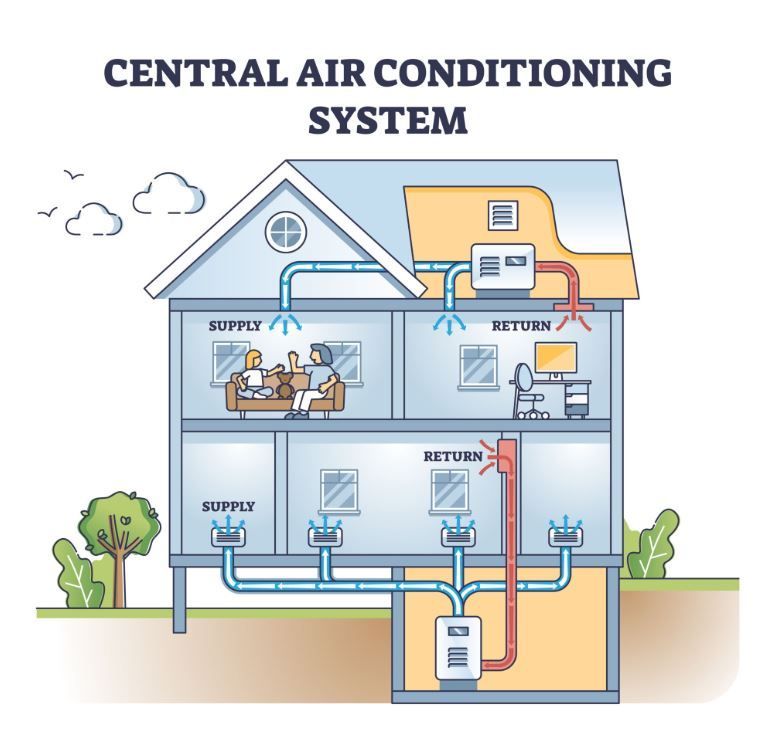
The standard choice for most single-family residences. A split system places the outdoor condenser unit outside to vent heat while keeping the evaporator coil and air handler inside a utility closet or garage space.
Heat Pumps
Despite the name "heat," modern electric heat pumps are the primary cooling system in warmer climates. They operate by extracting heat from inside the home and pumping it outdoors during summer, while reversing the process during rare chilly winter nights. They offer exceptional seasonal energy efficiency ratios.
Ductless Mini-Splits
Ductless systems are ideal for home additions, converted garages, or older homes lacking built-in ductwork. They allow individual room temperature control via compact wall-mounted indoor blowers linked to a single exterior compressor.
Step 4: Understanding Efficiency Ratings and Coastal Protection
When selecting new equipment, look closely at efficiency metrics and local durability features:
- SEER2 Ratings: The Seasonal Energy Efficiency Ratio 2 measures cooling efficiency under standardized test conditions. Florida standards require a minimum SEER2 rating, but investing in higher ratings (such as 16 to 20+ SEER2) offers substantial long-term electricity savings.
- Inverter Technology: Variable-speed compressors automatically adjust operational speeds in tiny increments. Instead of blasting at 100% capacity and shutting off, inverter units run at low, quiet speeds for longer periods, providing superior humidity removal and consistent indoor temperatures.
- Coastal Anti-Corrosion Coatings: Living near the Atlantic Ocean means salty breezes accelerate rust on exposed metal fins. High-quality coastal installations incorporate specialized protective fin coatings or stainless steel hardware to extend condenser longevity.
Step 5: What to Expect During the Installation Process
Understanding what happens on installation day helps ensure a smooth, worry-free project. A complete installation typical requires 4 to 8 hours of dedicated work by a certified technician crew.
Demolition and Removal
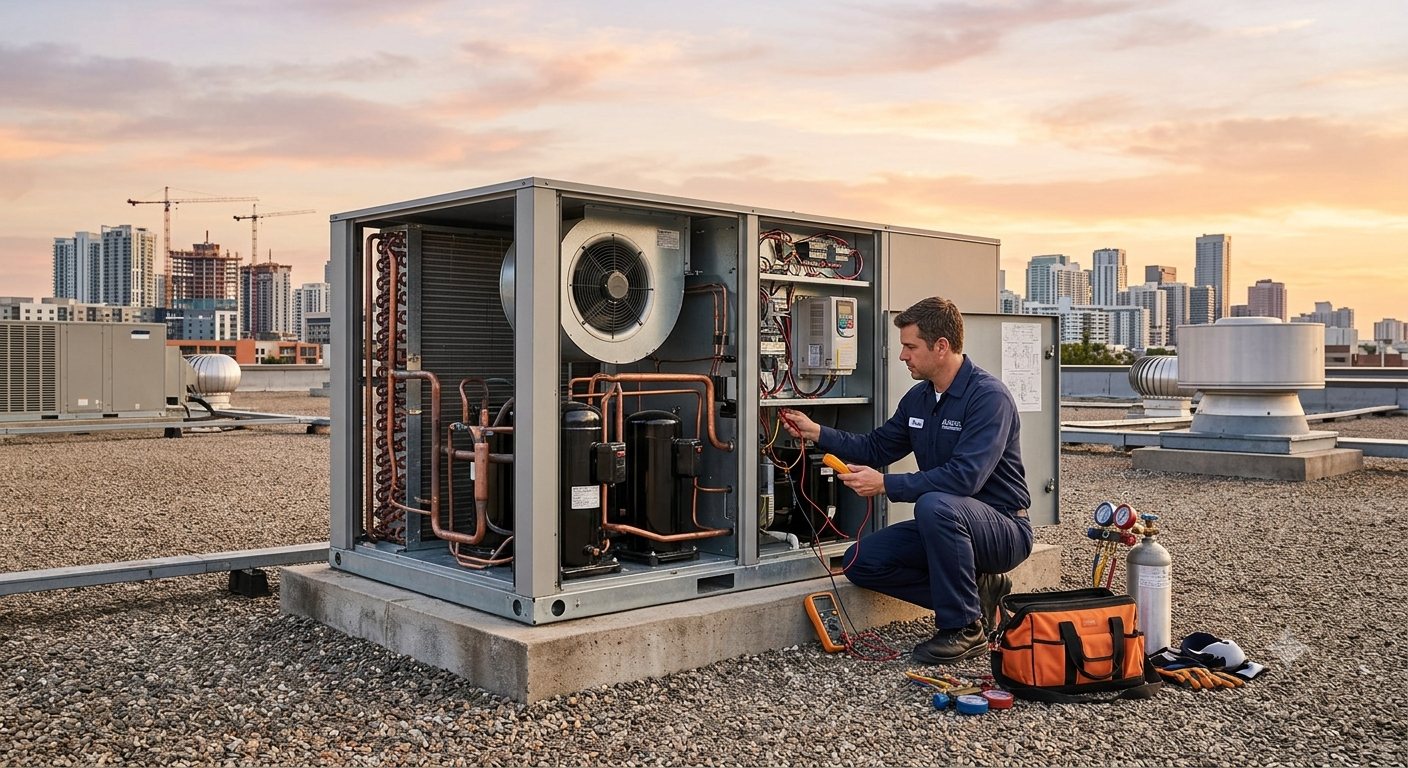
Technicians safely recover existing refrigerant according to environmental guidelines, disconnect high-voltage electrical connections, and remove old indoor air handlers and outdoor condenser units.
Infrastructure Inspection and Upgrades
Before placing new equipment, the installation team inspects existing refrigerant copper lines, condensate drain lines, and duct connections. Ductwork leaks or improperly insulated line sets are repaired or replaced to preserve system efficiency.
System Setting and Connections
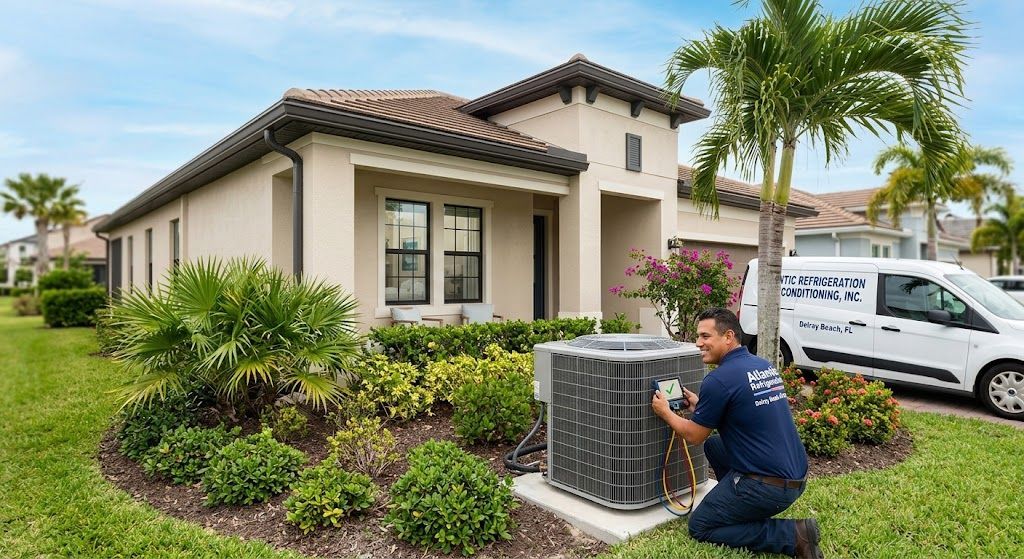
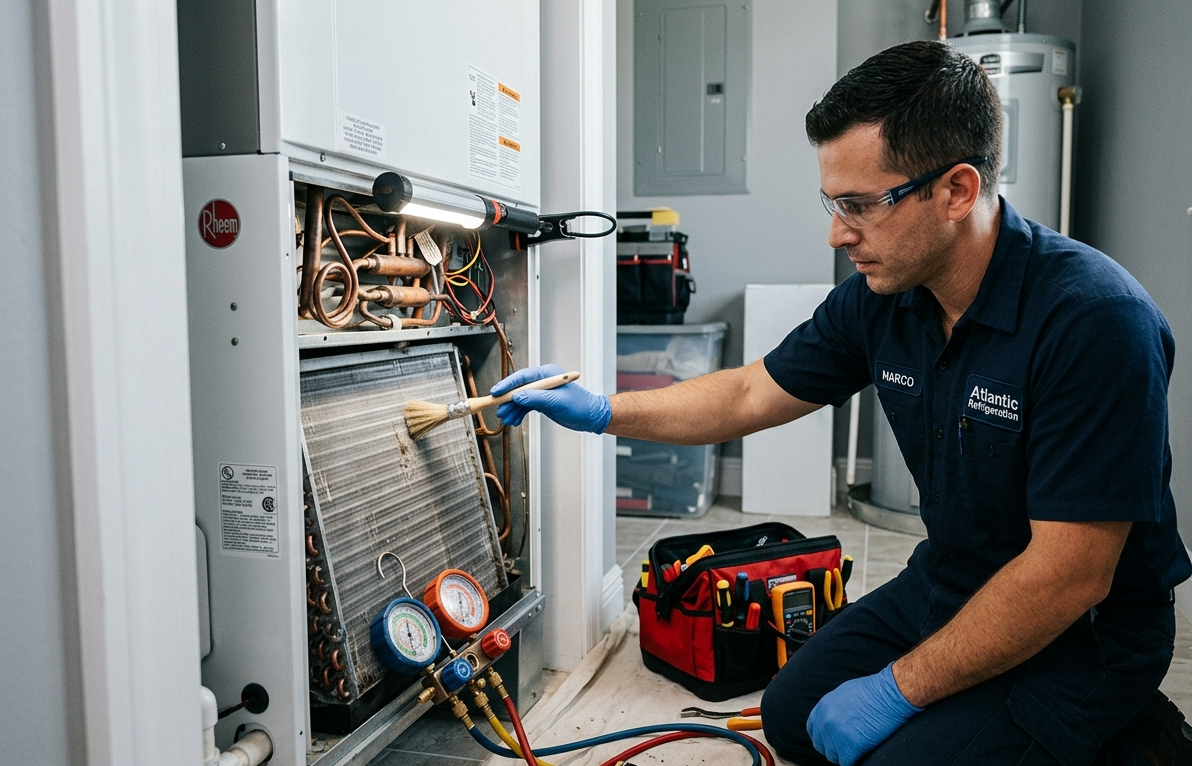
The new air handler is set securely level on a safety pad or platform, while the outdoor unit rests on a durable pad elevated to prevent localized flood damage. Lines are brazed together, electrical wiring is secured, and a vacuum pump pulls moisture out of the closed copper lines.
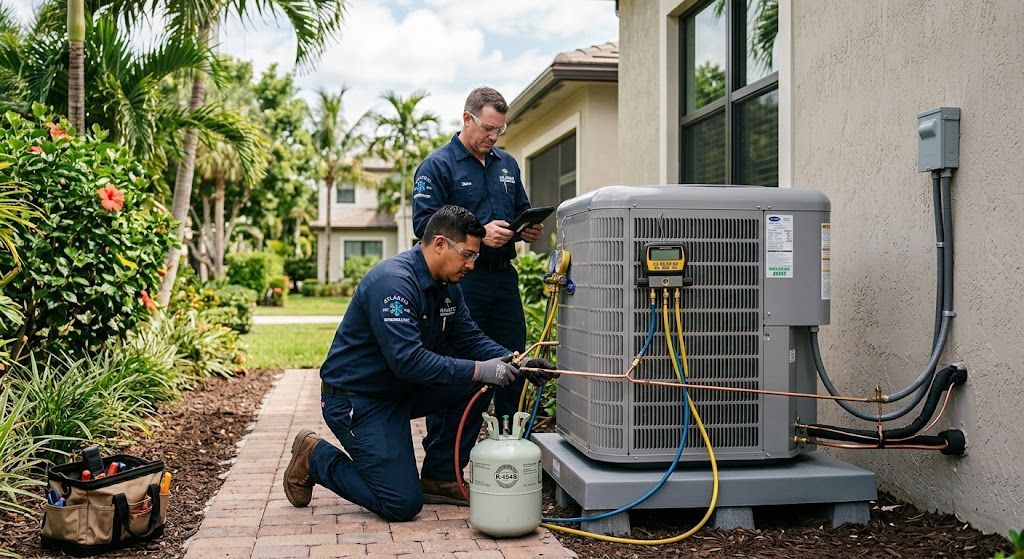
Refrigerant Charge and Testing
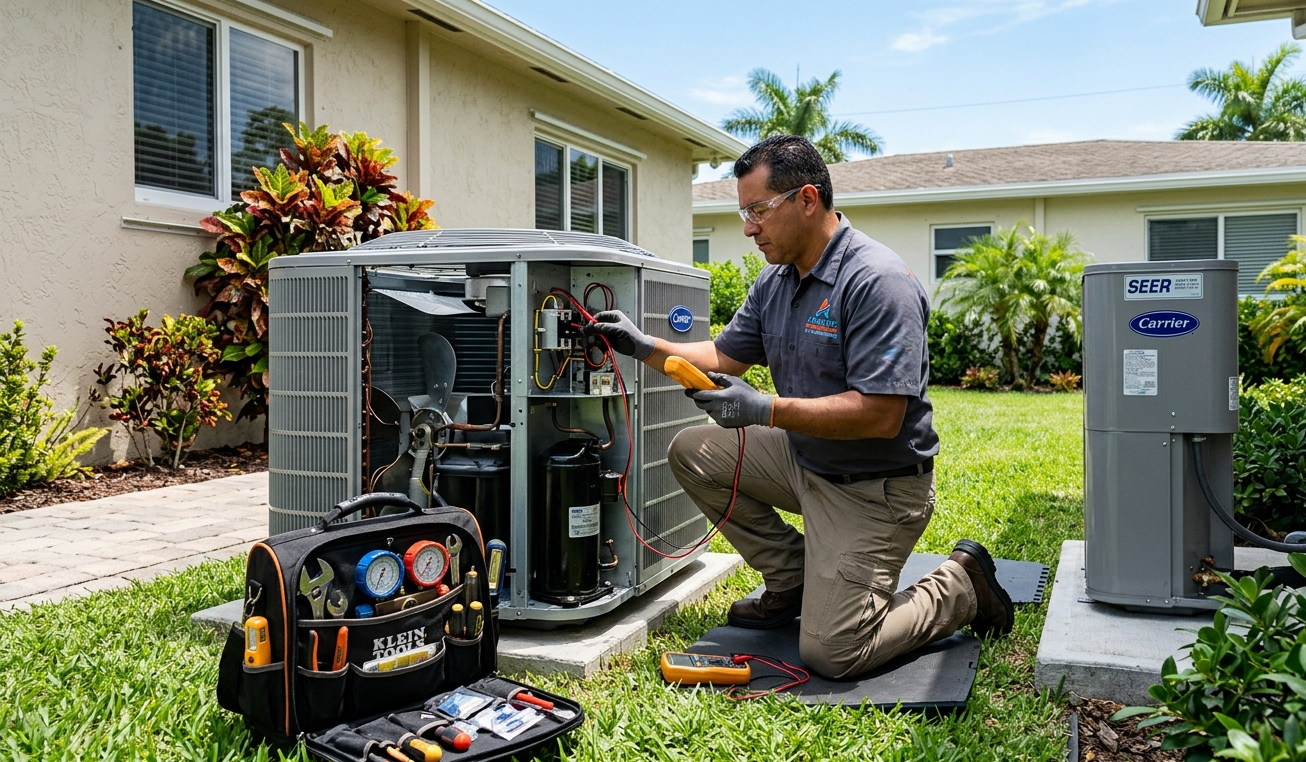
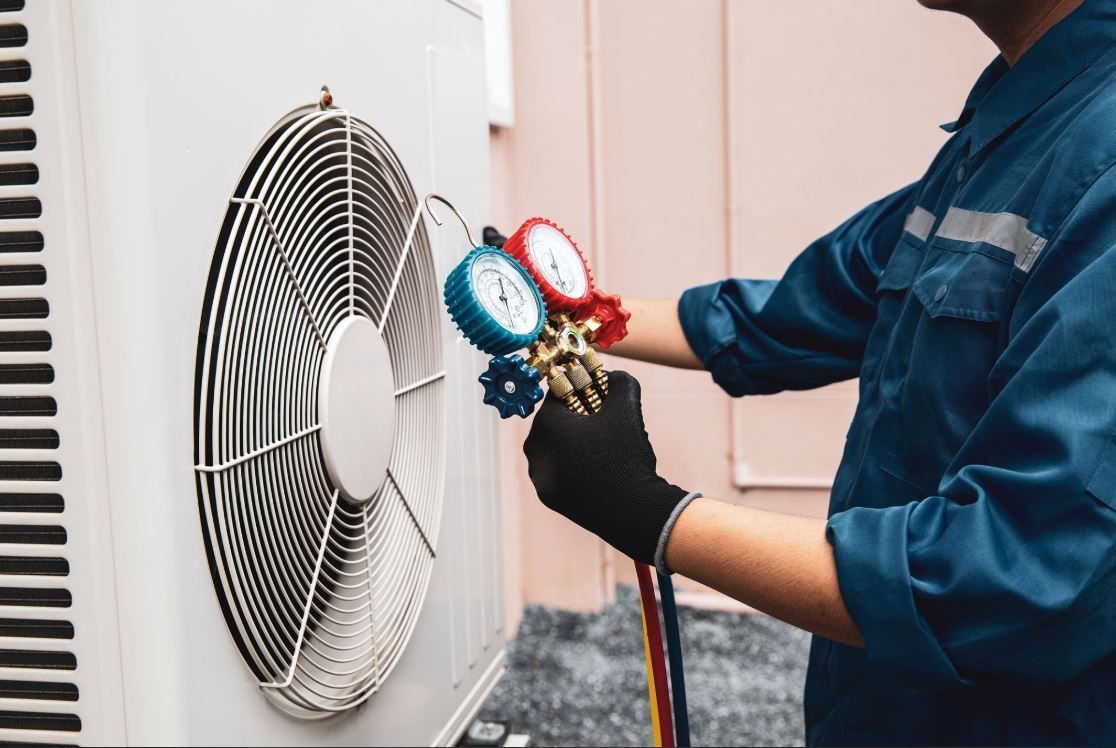
After charging the system with modern refrigerant, technicians test voltage levels, measure airflow across supply vents, verify thermostat signals, and perform a full performance check to confirm peak operational efficiency.
Step 6: Protecting Your Investment with Ongoing Care
Completing a professional
Delray Beach AC installation is only the first step toward long-term home comfort. Regular maintenance ensures your investment operates efficiently for years to come.
- Change Filters Monthly: Clean filters maintain proper airflow, protect indoor air quality, and prevent evaporator coils from freezing over.
- Keep Drain Lines Clear: High indoor humidity produces constant condensate water discharge. Regularly flushing drain lines with vinegar prevents algae blockages and water overflow damage.
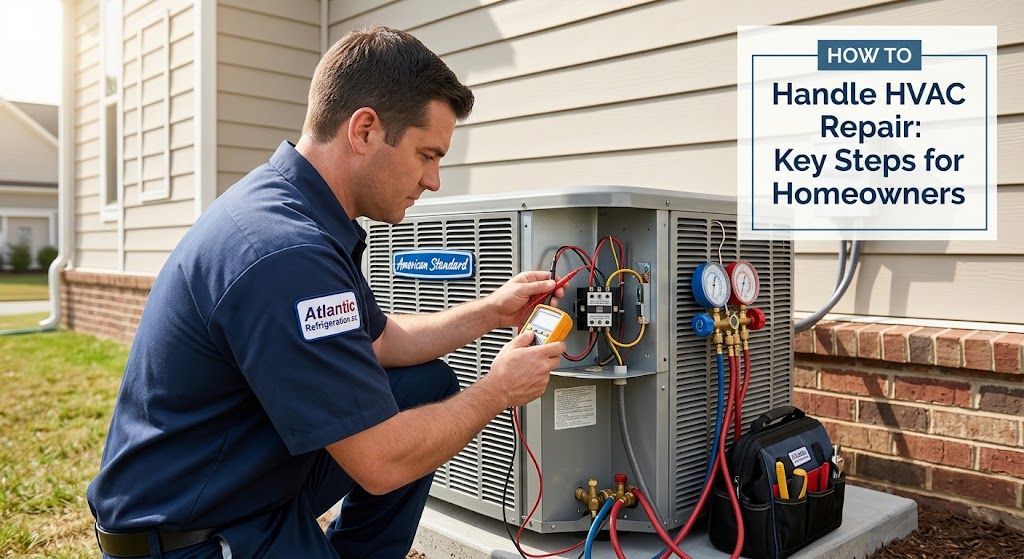
- Schedule Annual Tune-Ups: Professional technicians inspect electrical contactors, check refrigerant levels, clean coils, and verify system safety controls every year.
When you are ready to upgrade your home’s cooling efficiency with a seamless project, trust the experienced local specialists at Atlantic Refrigeration to handle every detail of your system upgrade from initial load calculations to final testing.
Investing in a proper
AC installation yields decades of low energy bills, whisper-quiet operation, and reliable indoor climate control throughout Florida's warmest months.