When unexpected cold weather arrives, a malfunctioning heating system can transform a cozy home into an uncomfortable environment in minutes. Whether you rely on an electric furnace, a central heat pump, or a ductless mini-split system, keeping your heating equipment in optimal condition is crucial for indoor comfort and energy efficiency. Understanding how heating systems operate, how to identify early warning signs, and when to seek professional assistance will help you manage heating issues with confidence.
This guide explores practical diagnostic routines, preventative care, and emergency response strategies. By learning to address minor operational issues early, you can protect your equipment, lower monthly utility bills, and extend the total lifespan of your system.
Understanding How Modern Heating Systems Function
To troubleshoot heating issues effectively, it helps to understand the basic mechanics of modern residential heating systems. Most homes rely on one of three primary heating configurations:
1. Central Electric Furnaces
Electric furnaces use heavy-duty resistance heating elements to produce warmth. Air is drawn into the unit, passed over heating coils, and blown through ductwork into living spaces. While mechanically straightforward, electric furnaces draw significant power, and faulty sequencers or blown heating elements can cause total heating failures.
2. Heat Pump Systems
Heat pumps are popular options because they provide both heating and cooling. During cooler months, a reversing valve alters the refrigerant flow, extracting heat from outdoor air and transferring it inside. When heat pumps fail to warm a space, issues often stem from refrigerant leaks, failing reversing valves, or frosted outdoor coils.
3. Ductless Mini-Split Heat Pumps
Ductless systems offer precise, zone-based temperature control. They connect outdoor condenser units to indoor air handlers without expansive duct networks. Common mini-split problems involve clogged condensate drain lines, dirty blower wheels, or communication errors between the indoor wall unit and outdoor compressor.
7 Warning Signs Your Heating System Needs Immediate Attention
Heating systems rarely fail without warning. Paying attention to subtle changes in performance allows you to catch minor issues before they become costly emergencies. Look out for these key indicators:
- Blowing Cold Air: If your vents discharge cold air while your thermostat calls for heat, the system may have a blown heating element, a failed heat pump reversing valve, or a broken igniter.
- Unusual Noises: Squealing, banging, or grinding sounds often point to loose fan belts, worn motor bearings, or mechanical friction inside the blower assembly.
- Unexplained Utility Spikes: A sudden spike in electricity costs usually indicates that your heating equipment is working twice as hard to reach set temperatures due to component failure.
- Frequent System Cycling: Rapid cycling on and off usually stems from restricted airflow, faulty thermostat calibration, or overheating safety switches.
- Uneven Heating Across Rooms: Cold spots throughout a residence point to duct leaks, failing zone dampers, or an undersized system struggling to distribute airflow evenly.
- Unpleasant Odors: While a faint dusty smell is normal during the season's first run, sharp burning plastic, metallic, or musty odors indicate electrical overheating or mold growth.
- Unresponsive Thermostat: When changes on your wall controller fail to trigger the heating system, the issue may range from depleted batteries to broken low-voltage wiring connections.
DIY Troubleshooting: 5 Initial Checks Before Calling a Professional
Before scheduling a service call, complete these safe, basic checks. Many service calls stem from minor, easily corrected issues:
[Check Thermostat Settings] ➔ [Inspect Air Filters] ➔ [Verify Power & Breakers] ➔ [Clear Outdoor Coils] ➔ [Confirm Vent Openings]
- Step 1: Verify Thermostat Configuration
- Ensure your thermostat is set to "Heat" mode and the target temperature is set at least 3 to 5 degrees above current room temperature. Replace old batteries if the screen appears dim or erratic.
- Step 2: Inspect and Replace Return Air Filters
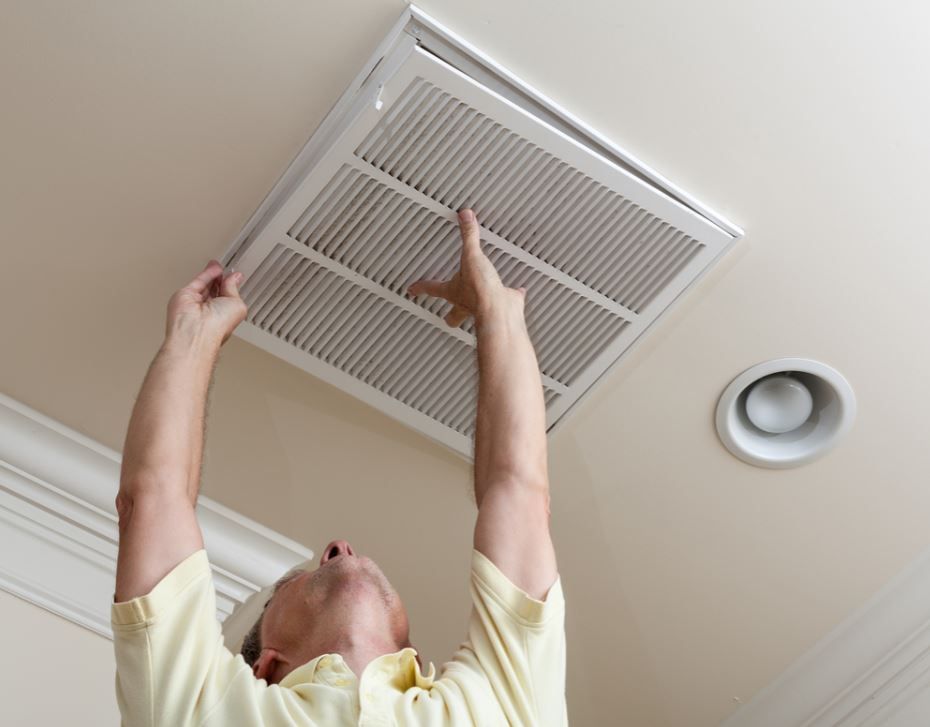
- A clogged air filter restricts airflow across heating elements or heat exchangers. This restriction triggers internal limit switches, causing the system to shut down safely to prevent thermal damage. Clean or replace filters every 30 to 90 days.
- Step 3: Check Electrical Panels and Disconnects
- Heating units draw significant electrical current upon startup. Check your electrical breaker panel to ensure the designated circuit breakers haven't tripped. Reset any tripped breakers once; if they trip immediately again, leave them off and call a professional.
- Step 4: Inspect Supply and Return Registers
- Ensure furniture, drapes, or rugs are not blocking air grilles. Closing too many supply vents increases static pressure within ductwork, forcing the blower motor to work harder and reducing efficiency.
- Step 5: Inspect Outdoor Heat Pump Units
- If you use a heat pump system, clear leaves, lawn debris, and dirt away from the outdoor unit. Adequate clearance around the cabinet ensures proper heat exchange during operation.
Step-by-Step Practical Troubleshooting Guide
When minor performance glitches occur, structured troubleshooting helps isolate root causes efficiently. Below is a step-by-step approach to evaluating heating issues safely.
Phase 1: Airflow and Pressure Diagnostics
Airflow restrictions account for a large percentage of heating complaints.
First, turn the thermostat fan setting from "Auto" to "On". Feel the air velocity coming from supply registers throughout your home. If airflow feels weak across all vents, check for dirty filters, blocked return grills, or a slipping blower motor belt. If airflow is strong in some rooms but absent in others, inspect visible ductwork for disconnections, crushed flexible ducts, or closed manual volume dampers.
Phase 2: Electrical and Control Circuit Diagnostics
If the system fan runs but produces no warm air, the issue likely resides in the heating control circuit.
Modern heating units use low-voltage control boards protected by small automotive-style fuses. If a voltage surge occurs, these fuses pop to protect sensitive electronics. While replacing a fuse is simple, an underlying electrical short usually causes the fuse to blow. Inspect wiring harnesses for visible rubbing, scorching, or loose spade terminals.
Phase 3: Heat Pump Defrost Cycle Evaluation
During cold weather, outdoor heat pump coils accumulate frost. Heat pumps automatically initiate a defrost cycle to melt ice accumulation. During defrost mode, the system temporarily switches into cooling mode while activating auxiliary heating elements so cold air doesn't blow indoors.
If your heat pump turns into a block of ice, the defrost control board, outdoor fan motor, or temperature sensor has failed. Running an icy heat pump damages the compressor valve plates, so power off the system and seek qualified assistance immediately.
Essential Components Requiring Professional Service
While basic maintenance tasks are well within a homeowner's reach, complex internal heating components require specialized tools and technical expertise. Never attempt DIY maintenance on these sensitive sub-systems:
+-------------------------------------------------------------------+
| CRITICAL HEATING SYSTEM COMPONENTS |
+-------------------------------------------------------------------+
| 1. High-Voltage Capacitors & Contactors |
| 2. Sealed Refrigerant Circuits & Compressor Assemblies |
| 3. Blower Motor Capacitors & Speed Control Tap Boards |
| 4. Circuit Boards, Relay Switches & Sequencers |
| 5. Electric Resistance Heating Elements & Thermal Limit Cutoffs |
+-------------------------------------------------------------------+
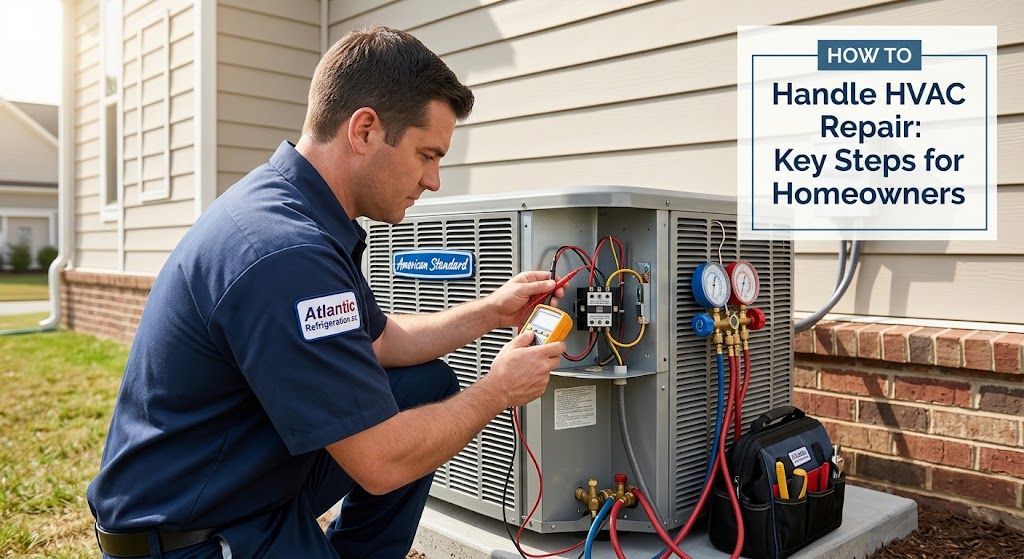
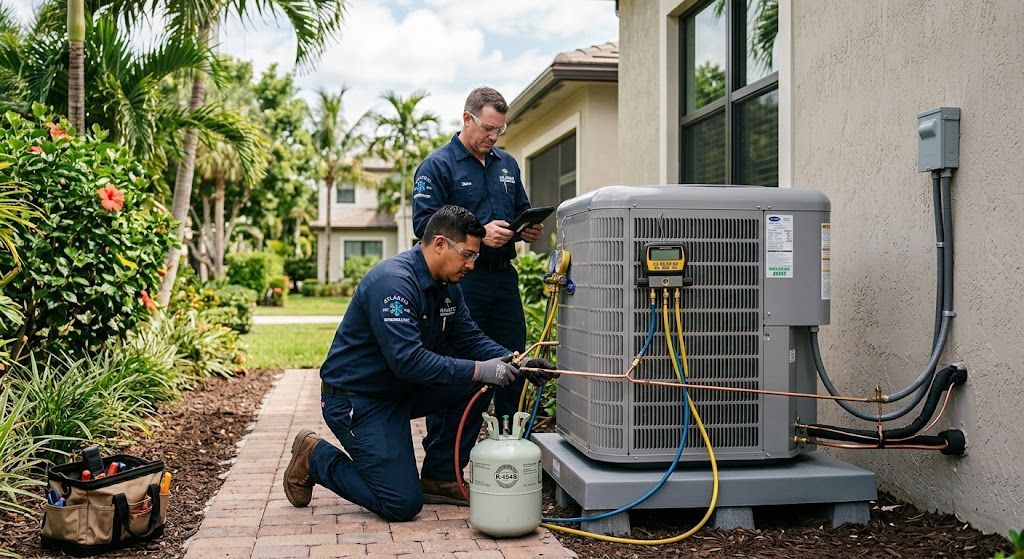
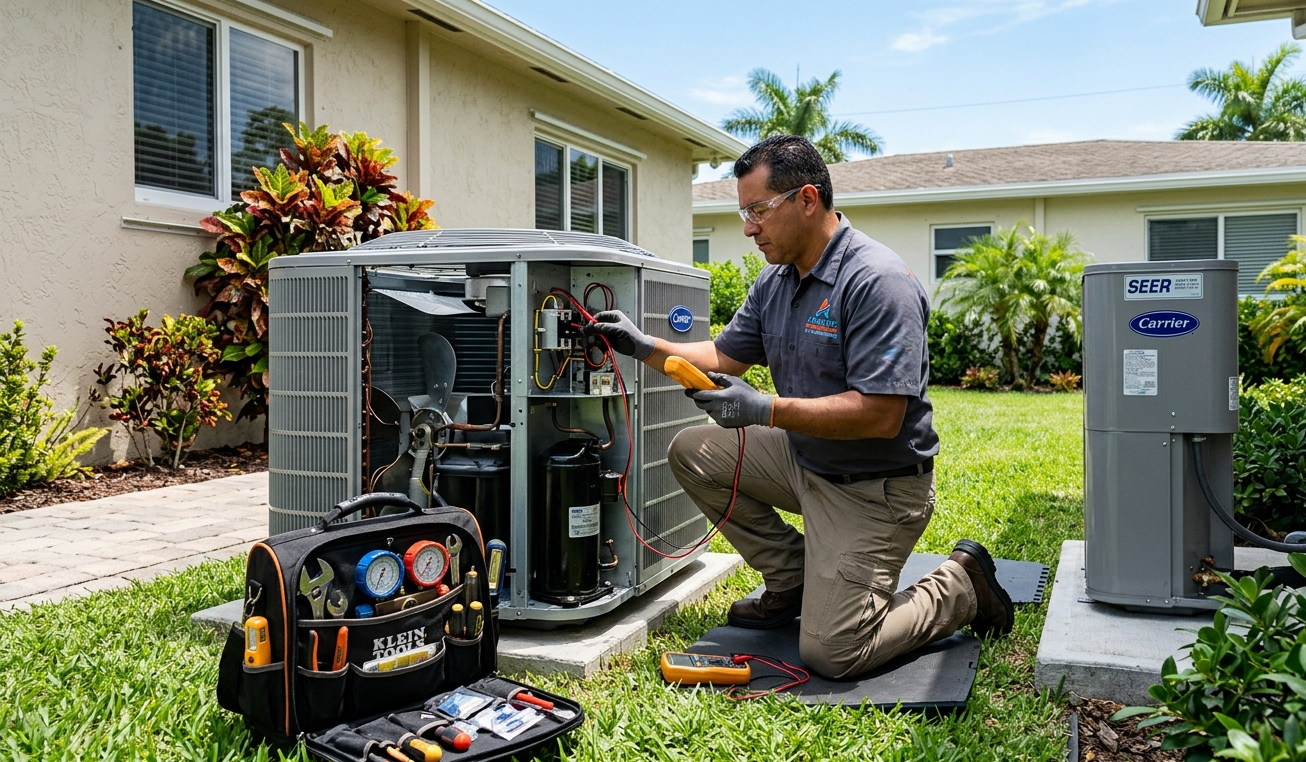
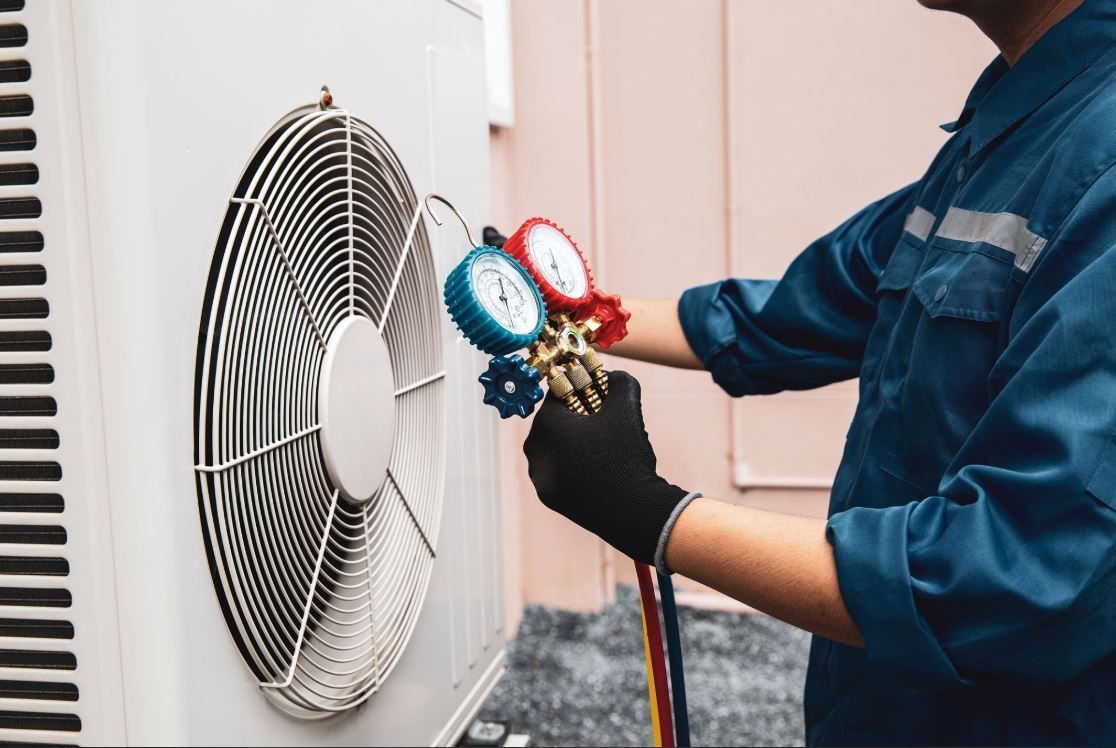
Working on high-voltage electrical circuits carries severe shock hazards. Capacitors store dangerous electrical charges even when main circuit breakers are turned off. Furthermore, handling EPA-regulated refrigerants requires specialized certification, recovery equipment, and pressure gauges. Professional technicians verify electrical draw, test safety switches, and measure refrigerant subcooling levels to restore performance without compromising safety.
Long-Term Benefits of Preventative Maintenance
Investing in routine preventative care is always more economical than managing emergency breakdowns during unexpected cold snaps. Annual professional tune-ups deliver clear advantages:
- Lower Operational Costs: Clean blower wheels, lubricated motor bearings, and calibrated thermostats reduce total electrical consumption, keeping utility bills low.
- Extended Equipment Lifespan: Regular inspections catch minor wear—such as pitted contactors or loose electrical connections—before they cause major mechanical breakdowns.
- Enhanced Indoor Air Quality: Professional system cleaning removes dust, pet dander, and biological growth from internal coils and drain pans, creating a healthier living environment.
- Valid Warranty Coverage: Most equipment manufacturers require documented annual maintenance by licensed technicians to honor warranty coverage on major internal parts.
An ideal maintenance schedule includes a full cooling system evaluation in early spring and a comprehensive heating inspection in early autumn. This seasonal approach ensures your system transitions smoothly between heating and cooling demands.
Finding Reliable Technical Expertise for Your Home
When basic troubleshooting doesn't fix the problem, working with an experienced HVAC contractor ensures your system is evaluated accurately and serviced safely. Look for licensed technicians who provide upfront, transparent pricing, comprehensive diagnostic evaluations, and dedicated emergency service options.
Whether you manage an expansive residential property or care for a single-family home, having a trusted HVAC partner gives you total peace of mind. Prompt repairs keep your system operating efficiently, protect your investment, and ensure consistent indoor comfort regardless of shifting outdoor temperatures.
For expert, fast, and dependable system diagnostics, trust the licensed professionals at
Atlantic Refrigeration heater repair services to handle all your home comfort needs.
Simple Daily Care Rules for Peak Heating Performance
To wrap up, maintaining a comfortable home throughout the cooler months comes down to consistent habits and quick responses to operational changes. Keep these best practices in mind:
- Check air filters monthly and replace them whenever dust accumulation is visible.
- Keep at least 80% of indoor supply vents open to maintain balanced system static pressure.
- Maintain a minimum 2-foot clearance around outdoor heat pump units.
- Upgrade to a programmable or smart thermostat to reduce mechanical stress when you are away from home.
- Schedule professional tune-ups annually to catch minor wear before it leads to system failure.
Taking a proactive approach to caring for your heating equipment guarantees reliable warmth, lower energy costs, and safe operation for years to come.