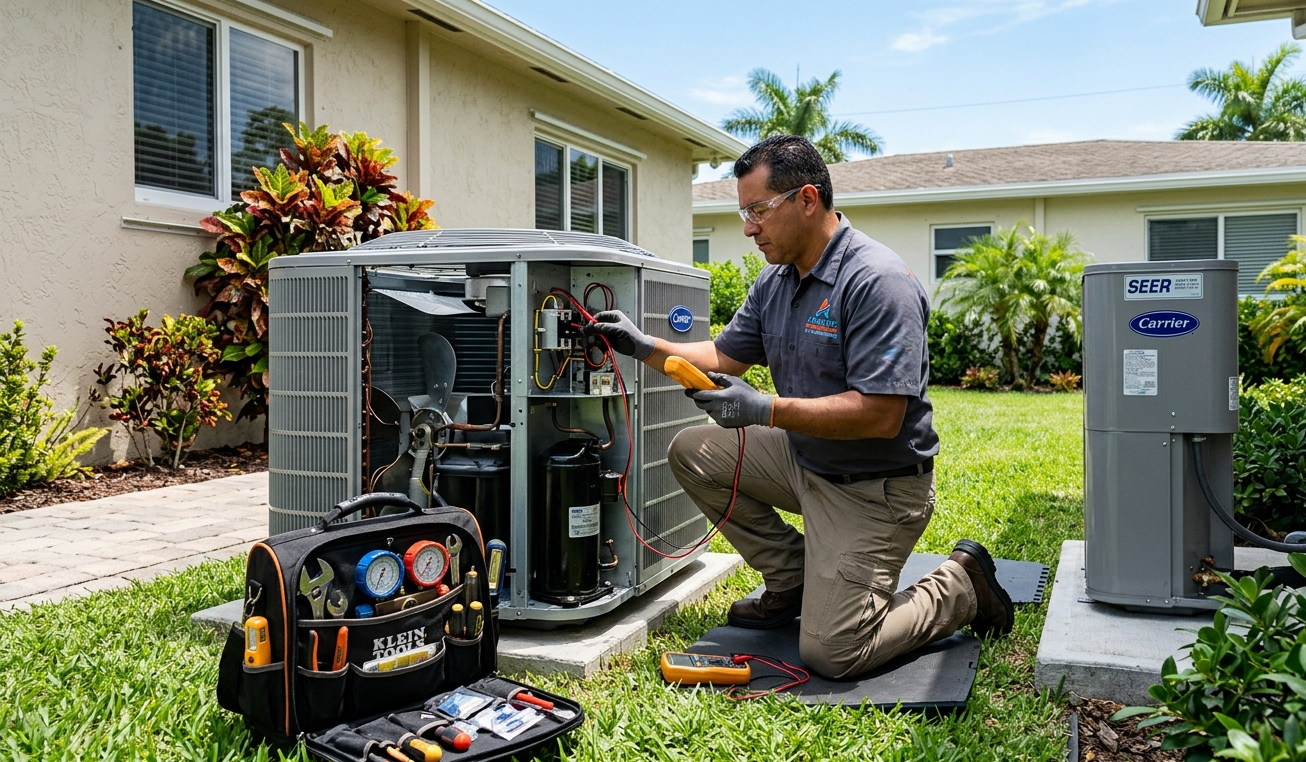
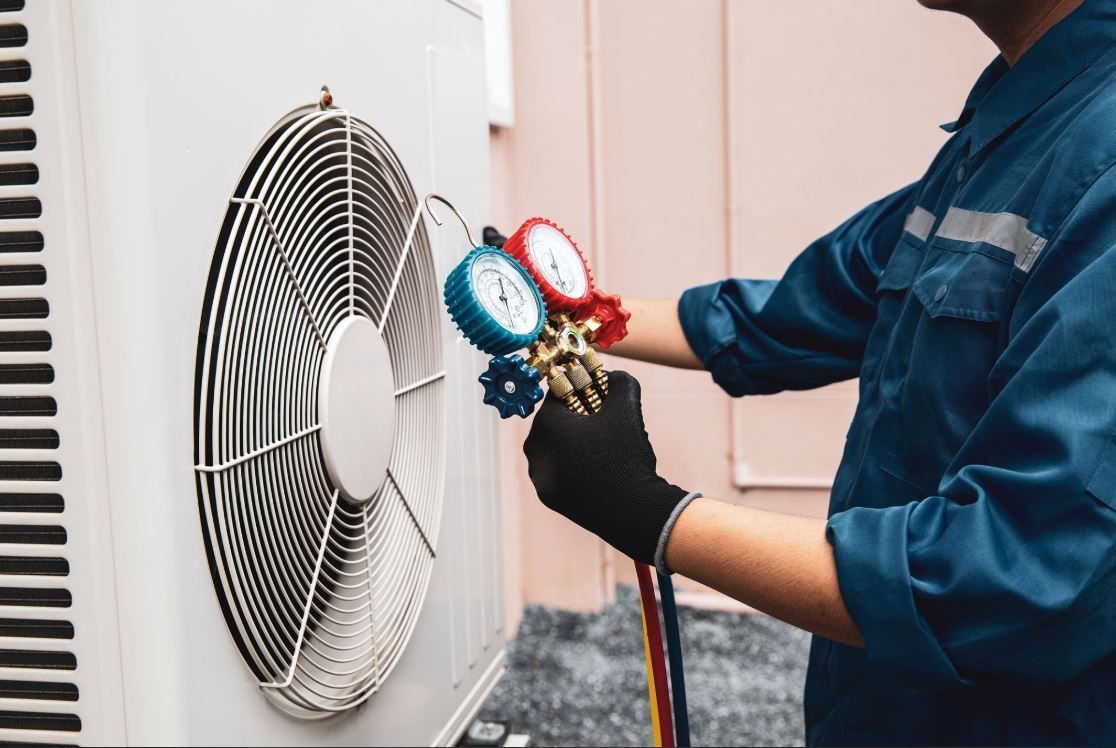
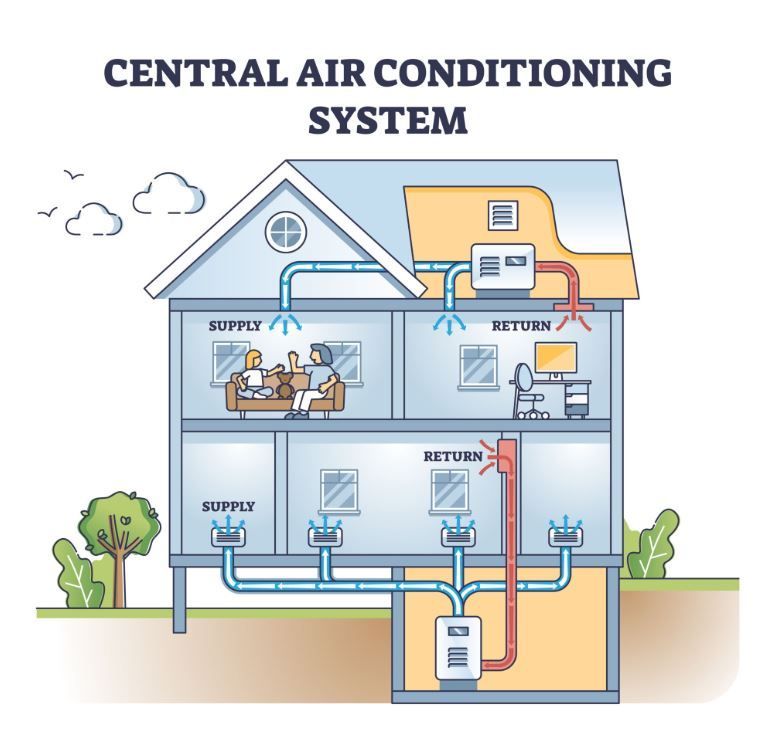
Living in Delray Beach, Florida, offers an enviable lifestyle filled with warm sunshine, beautiful beaches, and vibrant downtown entertainment along Atlantic Avenue. However, the very tropical climate that makes South Florida a paradise presents a continuous, grueling test for home air conditioning systems. With summer temperatures regularly climbing into the 90s and relative humidity levels soaring above 80%, your air conditioner isn't just a comfort amenity—it is an essential line of defense against indoor humidity, structural mold, and dangerous heat exhaustion.
When your cooling system begins to struggle or suffers a complete breakdown, finding fast, expert assistance becomes an urgent priority. Understanding how coastal environments affect your HVAC unit, recognizing early warning signs of system failure, and knowing what to expect during a professional repair can save you thousands of dollars in emergency replacements and energy bills.
Below, we examine everything you need to know about keeping your home cool, energy-efficient, and comfortable year-round in Delray Beach.
1. Why Delray Beach Homes Put Unique Strain on AC Systems
Air conditioning systems in Coastal Palm Beach County work vastly harder than units installed in temperate or inland environments. The local environment introduces three severe stressors that accelerate mechanical wear and tear:
- Non-Stop Operational Hours: In northern states, air conditioners run intermittently during peak summer months. In Delray Beach, your heat pump or straight-cool central system operates virtually year-round. Even during winter months, high humidity frequently forces homeowners to keep their AC running simply to dehumidify indoor air. This relentless workload speeds up normal mechanical wear on motors, compressors, and capacitors.
- Salt Air Corrosion: Living within a few miles of the Atlantic coastline exposes outdoor condenser coils to airborne sea salt. Salt acts as an aggressive corrosive agent, attacking aluminum fins and copper tubing. Over time, salt corrosion leads to microscopic refrigerant leaks, degraded heat transfer capabilities, and early coil failure if the system is not routinely cleaned and protected.
- Persistent High Indoor & Outdoor Humidity: Air conditioners perform two crucial functions: lowering air temperature and extracting moisture. In South Florida's moisture-laden air, your AC’s evaporator coil constantly pulls gallons of water out of the air daily. This heavy condensation creates ideal conditions for algae, mold, and biological sludge to build up inside condensate drain lines and drain pans, creating a high risk for water overflows and internal home damage.
2. Common Signs You Need Urgent AC Repair
Recognizing early indicators of AC distress allows you to address minor mechanical issues before they turn into major system failures or expensive emergency calls. Keep an eye and ear out for these critical red flags:
- Warm Air Blowing From Vents: If your system is set to "COOL" but the air coming from your supply vents feels warm or lukewarm, you may be facing a refrigerant leak, a failed compressor, a bad capacitor, or a severe airflow restriction.
- Rapid Cycling (Short-Cycling): An AC unit that constantly turns on and off in quick, short bursts is experiencing short-cycling. This issue strains the motor, wastes electricity, and prevents proper dehumidification. It is often caused by an oversized unit, a faulty thermostat, or a clogged filter.
- Unusual Noises During Startup or Operation: Squealing sounds often indicate a slipping fan belt or worn motor bearings; metallic grinding points to severe motor damage; clicking noises during startup signal electrical relay or capacitor failure; and bubbling or hissing suggests an active refrigerant leak.
- Musty or Burning Odors: A musty "dirty sock" smell usually stems from mold and bacterial growth on the evaporator coil or inside dirty ductwork. A metallic or electrical burning smell indicates overheating wires or motor components and requires immediate shutdown.
- Standing Water or Active Leaks Around the Indoor Unit: Water pooling around your air handler usually indicates a clogged condensate drain line, a cracked drain pan, or a frozen evaporator coil that is thawing rapidly.
3. The Real Cost of Neglecting Air Conditioner Maintenance
Postponing minor repairs or skipping annual maintenance in South Florida rarely pays off. Here is what happens when maintenance is delayed:
- Skyrocketing Monthly Power Bills: When coils gather dust, filters become clogged, or refrigerant levels drop slightly, the compressor has to run significantly longer to achieve the temperature set on your thermostat. Because the compressor is the single largest consumer of electricity in your home, longer run times directly increase your monthly power bill.
- Premature Equipment Breakdown: A central AC unit is an interconnected system. A single failing component—such as an inexpensive $30 dual-run capacitor—puts immense strain on the expensive compressor and fan motors. Ignoring small electrical or mechanical issues frequently leads to premature compressor failure, turning a small repair bill into a full system replacement costing thousands.
- Reduced Indoor Air Quality (IAQ): In sealed, air-conditioned environments, recirculated air carries dust mites, pet dander, pollen, and airborne fungal spores. Without clean filters, clear drain pans, and sanitized coils, your HVAC system can spread allergens throughout your living space, triggering asthma attacks and respiratory discomfort.
4. Key AC Components & How They Fail
To better understand what a technician evaluates during a diagnostic visit, it helps to know how the primary components function and what typically causes them to break down:
- Capacitor: Stores electrical energy to give motors the torque boost needed to start and run smoothly. It typically fails or burns out due to extreme attic heat, electrical surges, or simple component age.
- Evaporator Coil: Absorbs indoor heat and moisture using cold refrigerant flowing through its tubing. Over time, it can form pinhole leaks from formicary corrosion or freeze over completely due to dust accumulation and restricted airflow.
- Condenser Coil: Releases the absorbed indoor heat into the outdoor air. It frequently corrodes from salt spray exposure or becomes clogged with outdoor dirt, lawn debris, and coastal foliage.
- Condensate Drain Line: Safely channels extracted moisture away from your home's interior and foundation. It regularly clogs with algae, dirt, and mold sludge, causing water to back up into your drain pan.
- Blower Motor: Circulates cooled air through your home's ductwork system. It can overheat, develop worn bearings, or fail entirely due to prolonged strain from dirty filters and accumulated dust.
5. DIY Troubleshooting vs. When to Call a Licensed Professional
While major repairs require specialized tools and EPA certifications, homeowners can perform a few basic checks before scheduling a diagnostic service call:
What You Can Check Yourself
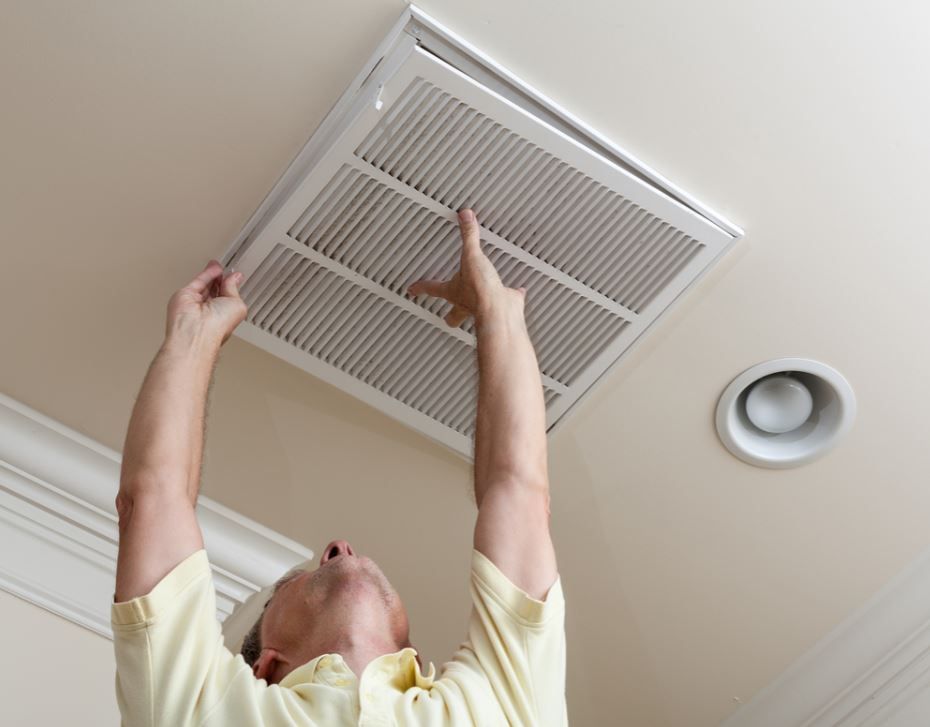
- Inspect the Air Filter: A heavily clogged filter blocks airflow, leading to frozen coils and poor cooling. Replace disposable filters every 30 to 60 days.
- Check the Thermostat: Ensure your thermostat is set to "COOL" rather than "HEAT" or "OFF," and confirm that the set point is at least 3 to 5 degrees below the current room temperature. Try replacing the batteries if the display is blank or unresponsive.
- Verify Circuit Breakers: Check your home's main electrical panel and the outdoor disconnect box. A tripped breaker can prevent the indoor air handler or outdoor condenser from powering up.
- Examine the Drain Float Switch: Many modern South Florida installations feature a safety float switch installed on the drain line. If water backs up in the pan, the switch trips and shuts down the unit to prevent flooding.
When to Call a Certified HVAC Technician
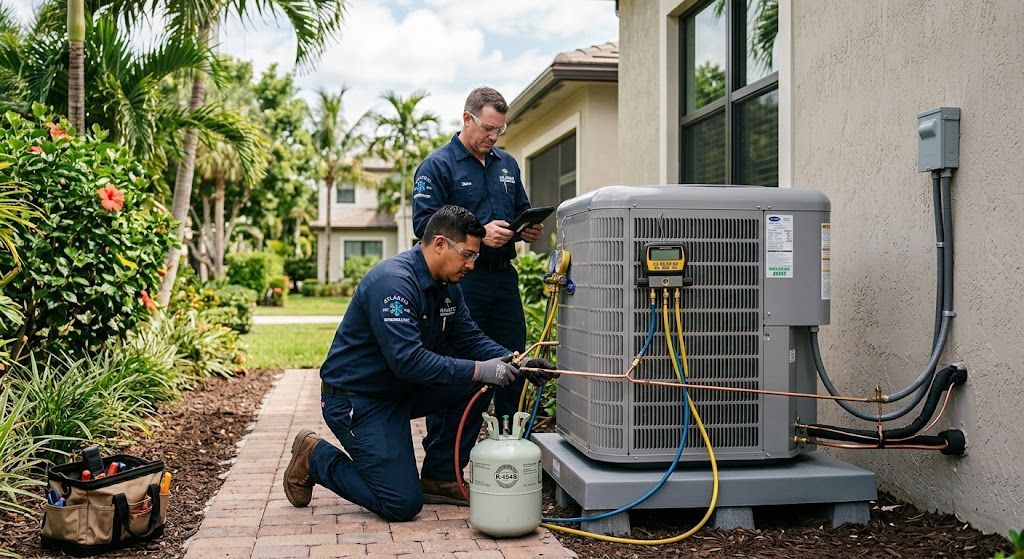
- Refrigerant Handling: Handling R-410A or newer R-32 refrigerants requires EPA Section 608 certification by law.
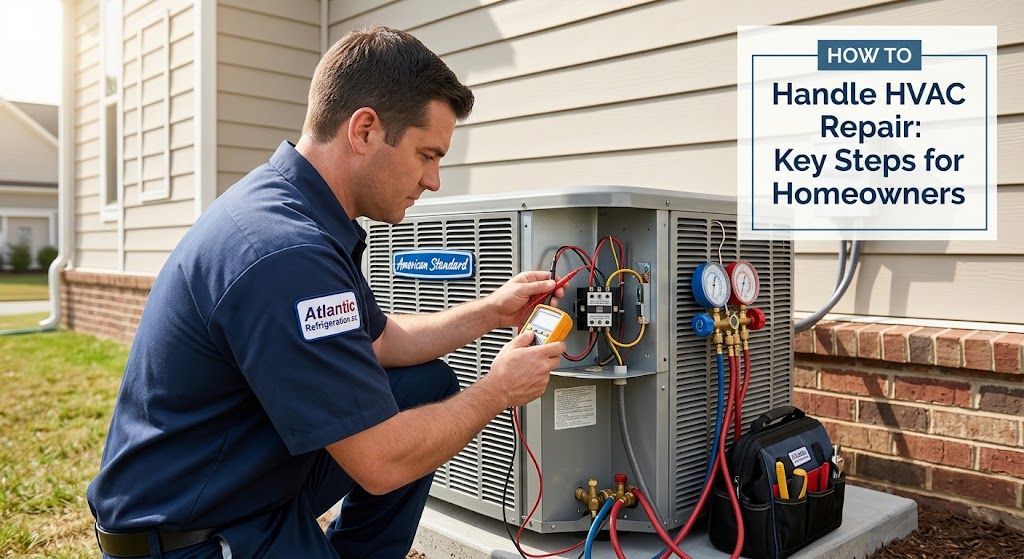
- High-Voltage Electrical Work: Contactors, relays, and capacitors carry dangerous voltage levels even after power is turned off.
- Ductwork Sealing & Modification: Testing airflow dynamics and repairing hidden duct leaks requires professional diagnostic equipment.
6. How to Choose a Reliable Local Cooling Specialist
Selecting the right contractor ensures high-quality workmanship, transparent pricing, and long-lasting cooling performance. When evaluating service providers in Palm Beach County, look for the following credentials:
- State Licensing & Insurance: Ensure the business holds an active Florida State Certified Air Conditioning Contractor license (look for license numbers starting with "CAC") and carries comprehensive liability and workers' compensation coverage.
- Decades of Local Experience: Florida’s climate demands specialized knowledge. Companies with a long local history understand how to build and maintain systems specifically engineered to withstand coastal humidity and salt spray.
- Transparent, Flat-Rate Pricing: Top-tier companies provide upfront diagnostic quotes without hidden fees or high-pressure sales tactics.
- 24/7 Emergency Availability: AC emergencies don't stick to normal business hours. Choose a provider that offers round-the-clock emergency dispatch.
Whether you need urgent system troubleshooting, routine maintenance, or a high-efficiency replacement, partnering with trusted local experts like
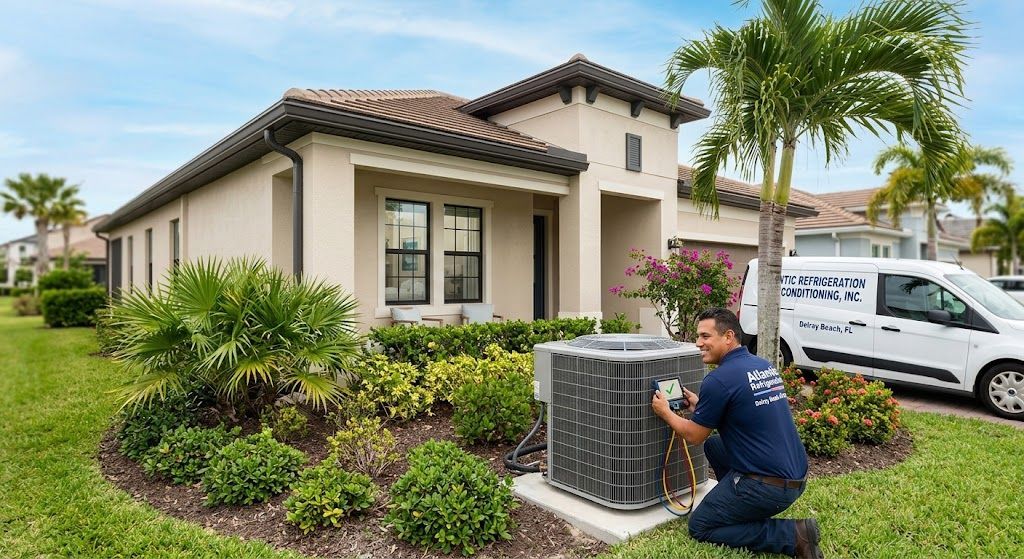
Atlantic Refrigeration Delray Beach AC Repair ensures your home remains cool, efficient, and comfortable through every season.
7. Simple Preventive Steps to Keep Your AC Running Efficiently
To maximize your system's efficiency and extend its lifespan in South Florida, follow this simple maintenance checklist throughout the year:
- Change Air Filters Regularly: Check your air filters monthly during peak summer months and replace them as soon as they appear discolored or dirty.
- Maintain Clear Space Around the Outdoor Unit: Keep shrubs, trees, and grass trimmed back at least two feet from your outdoor condenser unit to allow proper airflow.
- Flush the Condensate Drain: Pour a cup of plain warm water or approved drain cleaner down your condensate access line monthly to clear away young algae growth before it turns into a blockage.
- Use a Programmable Thermostat: Set your thermostat a few degrees higher when you leave the house to reduce overall system wear without allowing indoor humidity to spike.
- Schedule Bi-Annual Professional Inspections: Have a qualified technician inspect electrical connections, verify refrigerant charges, clean coils, and test overall performance twice a year—ideally in spring and autumn.