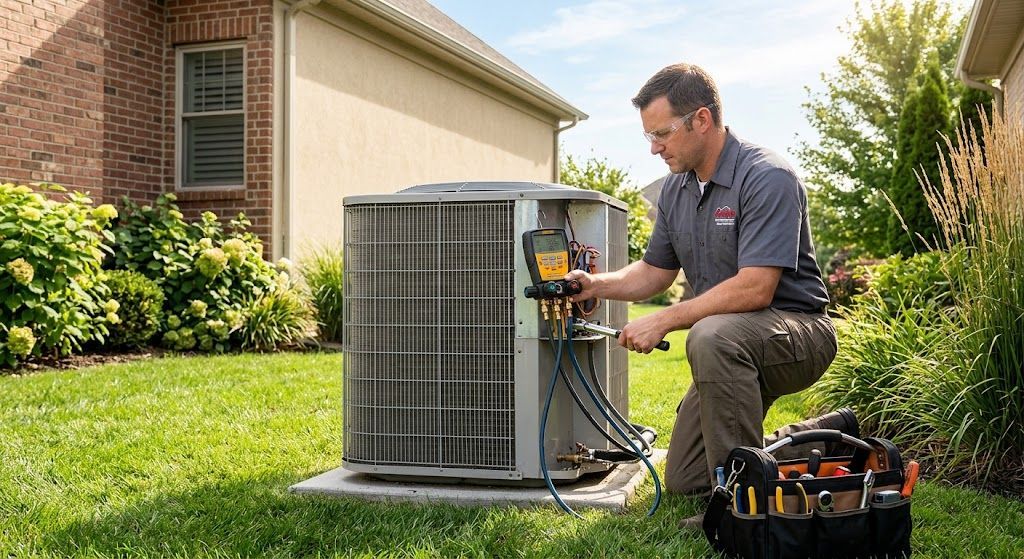
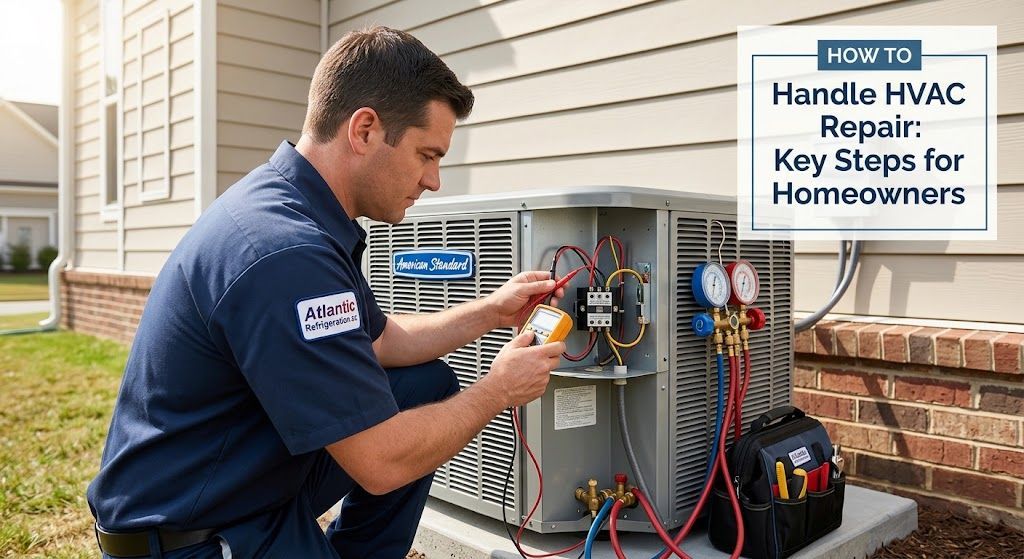
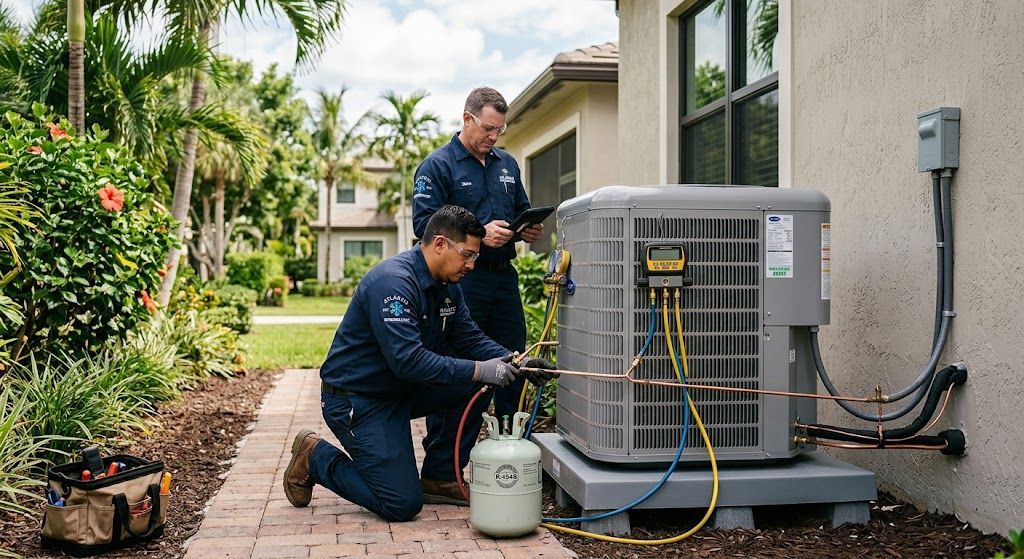
Maintaining a comfortable home environment becomes a top priority as the colder months approach. Your heating system works tirelessly behind the scenes to keep your indoor space warm, safe, and cozy. However, like any complex mechanical setup, a furnace or heat pump requires routine care to perform at its best. Scheduling regular
heater maintenance ensures that your system operates efficiently, keeps energy costs manageable, and prevents unexpected breakdowns in the middle of a cold spell.
Many homeowners overlook their heating systems until something goes wrong. Unfortunately, waiting for a complete system failure often leads to more extensive repairs, higher utility bills, and unnecessary stress. By understanding how your system operates and recognizing early warning signs, you can stay proactive with your home’s heating needs.
This comprehensive guide covers everything you need to know about keeping your system in peak condition, from identifying early performance issues to understanding the step-by-step process of maintaining your heating system effectively.
Why Routine Heating System Care Matters
Heating systems are heavy-duty appliances that undergo significant mechanical strain. Dust accumulation, wear and tear on moving components, and electrical degradation happen gradually over time. When routine upkeep is ignored, the efficiency of the entire system declines.
Investing time and attention into your heating unit yields several long-term benefits:
- Improved Energy Efficiency: A clean, well-lubricated system uses significantly less fuel or electricity to warm your home.
- Extended Equipment Lifespan: Regular inspections prevent minor issues from turning into major mechanical failures that prematurely ruin your unit.
- Enhanced Indoor Air Quality: Dust, allergens, and debris collect inside the air handler and ducts; maintaining these parts reduces airborne contaminants throughout your home.
- Lower Utility Expenses: When a furnace doesn't have to work twice as hard to push air through clogged filters or dirty blowers, monthly energy bills stay reasonable.
- Safety and Peace of Mind: Heating systems that rely on combustion require regular checks to ensure gas valves, burners, and exhaust vents operate safely without danger of hazardous leaks.
8 Signs Your System Needs Immediate Care
Recognizing the early warning signs of heating stress allows you to address minor problems before they escalate into complete system failure. If you notice any of the following eight indicators, your home is overdue for professional attention or routine upkeep.
1. Unexpected Increases in Monthly Energy Bills
If your energy usage habits haven't changed, but your monthly utility costs spike suddenly during heating season, your heating equipment is likely losing efficiency. Clogged air filters, worn motor bearings, or loose fan belts force the unit to run longer cycles to reach the set temperature on your thermostat, drawing far more energy in the process.
2. Uneven Heating Throughout Your Home
Do you experience cold spots in specific rooms while other areas feel uncomfortably hot? Uneven heat distribution usually points to airflow issues, failing blower motors, or ductwork imbalances. System care helps balance airflow and ensures every room receives consistent warmth.
3. Strange or Loud Noises During Operation
While heating systems make mild operational sounds, loud or unfamiliar noises indicate mechanical distress:
- Squealing or Screeching: Indicates a loose or frayed belt, or dry motor bearings.
- Banging or Clanking: Points to a loose component inside the blower assembly or heat exchanger.
- Rattling: Often signals loose paneling or duct connections.
- Popping or Booming: Can occur in gas furnaces when dirty burners delay ignition, causing a small buildup of gas before lighting.
4. Frequent Thermostat Adjustments or Short Cycling
If your furnace turns on, runs for a couple of minutes, and turns right off—only to repeat the process a short time later—it is experiencing "short cycling." This issue can be caused by a dirty air filter, a faulty flame sensor, or an overheating heat exchanger. Short cycling places immense stress on system components and must be corrected promptly.
5. Persistent Dust Build-Up Around Vents
Excessive dust accumulation on your furniture and around supply vents suggests that your air filtration system is failing. As dust layers build up on internal heating components, heat transfer decreases, which strains the system and degrades indoor air quality.
6. The Pilot Light Burner Flame Is Yellow
For natural gas or propane furnaces, the pilot light or burner flame should always burn a crisp, steady blue. A yellow or flickering flame indicates incomplete combustion, which means the gas is not burning efficiently. This condition can lead to carbon monoxide production and requires immediate attention from a qualified professional.
7. Unpleasant Odors When the Heat Turns On
A faint dusty smell when turning your furnace on for the very first time in autumn is common as burning dust settles off heating elements. However, persistent burning smells, mustard-like sulfur odors, or damp, moldy smells indicate dirty coils, scorched wiring, or clogged drain lines that need to be addressed right away.
8. Your Heating Equipment Is Over 10 Years Old
Even high-quality heating systems show signs of wear as they age. If your furnace or heat pump is past its first decade of service, it naturally requires more consistent care to remain safe, functional, and efficient.
Complete How-To Guide for Home Heating Care
Maintaining your home’s heating infrastructure involves a mix of simple homeowner tasks and professional servicing. Follow this step-by-step guide throughout the autumn and winter months to keep your system running smoothly.
Step 1: Inspect and Replace Air Filters Monthly
The single most effective task a homeowner can perform is regularly checking the return air filter.
- Locate the filter slot near the return duct or inside the furnace blower cabinet.
- Turn off system power at the thermostat or breaker panel before removal.
- Remove the old filter and inspect it against a bright light source. If light cannot pass through easily, replace it immediately.
- Insert a clean filter matching the exact dimensions specified by the manufacturer, ensuring the airflow arrows point toward the furnace unit.
Step 2: Clear Thermostat Controls and Calibrate
Your thermostat serves as the brain of your heating system. Ensure it provides accurate temperature readings to avoid unnecessary system cycling.
- Wipe away dust from the thermostat housing.
- If using a battery-powered thermostat, replace the batteries at the start of every heating season.
- Verify that your thermostat is located away from direct sunlight, drafty doors, or heat-producing appliances, which can cause false readings.
- Upgrade to a programmable or smart thermostat if possible to automate set-backs during hours when you are asleep or away from home.
Step 3: Keep Air Vents, Grilles, and Radiators Unobstructed
Airflow is critical for heat transfer and system health. Restricting airflow causes heat to build up inside the equipment, leading to premature component failure.
- Walk through every room in your home and verify that supply registers and return air vents are fully open.
- Rearrange rugs, curtains, or furniture that block air movement around grilles.
- Vacuum vent covers to remove pet hair, dust, and lint buildup.
Step 4: Clean the Area Surrounding Your Equipment
Whether your furnace is located in a basement, utility closet, or attic, clear space around the entire unit is required for both safety and proper combustion intake.
- Maintain at least three feet of clearance around gas furnaces, heat pumps, or boilers.
- Remove any flammable liquids, paint cans, paper, or seasonal storage items away from the heating unit.
- Sweep the floor around the furnace cabinet to prevent loose debris from drawing into the blower intake.
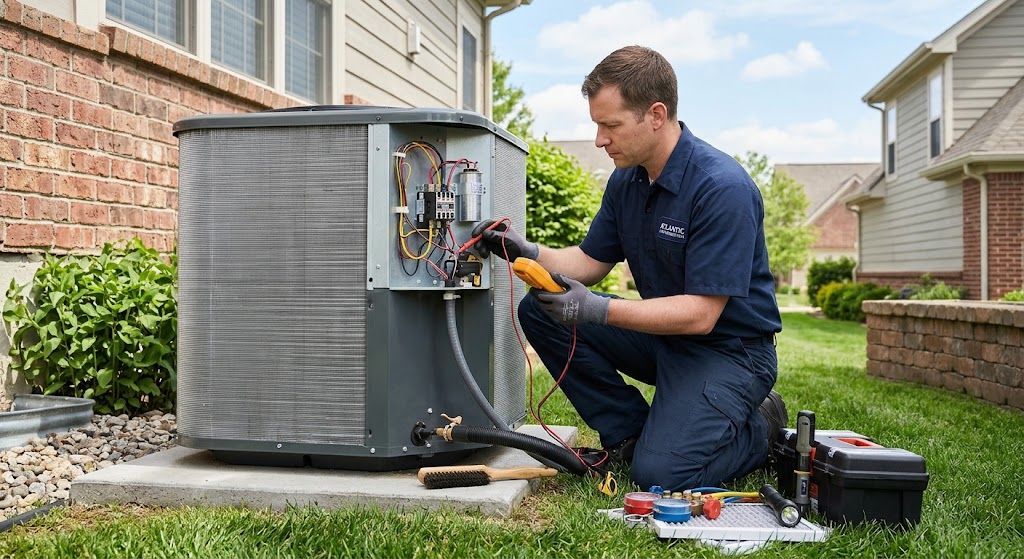
Step 5: Clean and Clear Outdoor Heat Pump Units
If your home relies on a heat pump system rather than a standard furnace, the outdoor unit functions year-round to deliver heat.
- Shut down power to the outdoor compressor unit using the adjacent disconnect box.
- Clear fallen leaves, twigs, snow, and ice from around the perimeter of the outdoor coil.
- Gently hose down foreign debris on the metal fins using light water pressure (avoid high-pressure power washers, which bend fragile aluminum fins).
- Prune nearby shrubbery or trees so there is at least two feet of clear space around the unit.
What Happens During a Professional Tuning Checklist
While homeowners can manage basic tasks like air filter swaps and vent clearing, complex internal components require specialized tools and expert training. Professional technicians evaluate precision parts to ensure your system complies with manufacturer warranties and safety codes.
A complete professional tune-up includes:
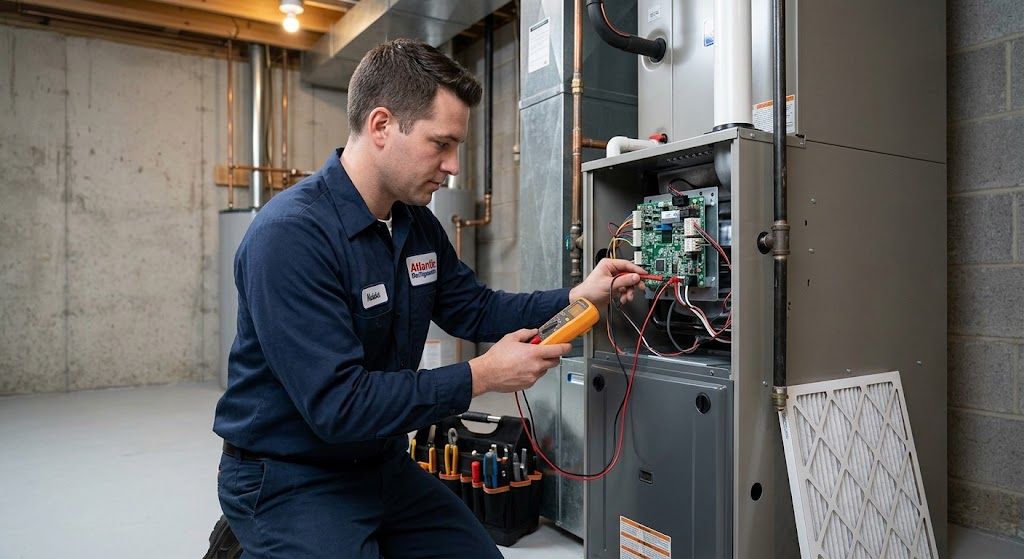
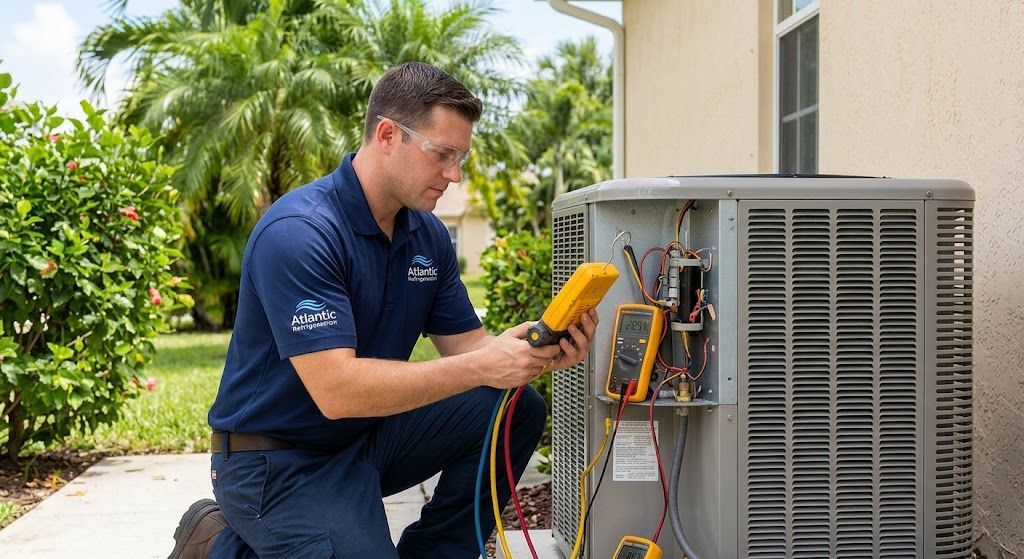
- Electrical Connection Tightening: Inspecting voltage levels, tightening terminal screws, and inspecting wiring insulation to prevent short circuits.
- Burner and Ignition Assembly Cleaning: Removing soot, dust, and rust deposits from burners to ensure clean ignition and complete fuel combustion.
- Heat Exchanger Safety Inspection: Examining metal surfaces for microscopic cracks, corrosion, or stress fractures that could leak carbon monoxide into the home.
- Blower Assembly Lubrication and Balancing: Cleaning blower wheel blades, testing fan motor amp draws, and applying lubricant to bearings to minimize friction.
- Flue Pipe and Exhaust Vent Check: Ensuring exhaust vents are clear of bird nests, debris, or rust pockets so combustion gases exit the home safely.
- Safety Switch Function Verification: Testing high-limit switches, rollout switches, and pressure sensors to ensure the system shuts off automatically if dangerous conditions arise.
Frequently Asked Questions
How often should a home heating system be serviced?
A heating system should be inspected and tuned up at least once per year, ideally during late summer or early autumn before the heavy heating season begins. Heat pump systems, which handle both heating and cooling duties, should receive professional attention twice a year.
Can a dirty air filter really cause a furnace to shut down?
Yes. A clogged filter severely limits airflow across the furnace heat exchanger. Without sufficient air moving across it to absorb heat, the internal temperature rises rapidly, triggering the system's high-limit safety switch, which shuts the burners down to prevent catastrophic overheating.
Is carbon monoxide a risk with all heating systems?
Carbon monoxide risks are isolated to systems that burn fuel—such as natural gas, propane, oil, or wood furnaces and boilers. Electric furnaces and heat pumps do not produce carbon monoxide. However, all homes with fuel-burning appliances should have functioning carbon monoxide detectors installed on every level.
Final Thoughts on Home Comfort
Taking a proactive approach to maintaining your furnace or heat pump is essential for protecting your investment, minimizing winter energy costs, and ensuring your family stays safe and warm throughout the cold season. By replacing air filters regularly, keeping vents unobstructed, listening for unusual operational noises, and scheduling annual professional service, you can rely on your equipment year after year.
If your unit shows signs of distress, exhibits rising energy usage, or hasn't been serviced in over a year, taking prompt action will save you time and money. Schedule your comprehensive
heater maintenance with certified professionals today to ensure optimal heating efficiency, total reliability, and complete safety all season long.