Maintaining a comfortable indoors throughout the year requires a fully functional heating, ventilation, and air conditioning system. Proper, routine care guarantees that your system runs smoothly while preventing costly emergency repairs. Understanding the core principles of HVAC maintenance helps property owners protect their investments, keep energy expenses down, and preserve healthy indoor air quality.
This comprehensive guide breaks down everything you need to know about system care, performance tuning, and practical upkeep strategies.
Why Preventive HVAC Maintenance Matters
Heating and cooling equipment operates continuously under heavy electrical and physical strain. Over months of usage, dust accumulates on essential coils, electrical connections loosen, and internal friction wears down moving parts. Skipping periodic HVAC maintenance causes a subtle decline in performance that eventually transforms into significant operational failure.
Lower Utility Expenses
When air filters clog or condenser coils collect dirt, your equipment must consume more power to achieve the desired thermostat settings. A system kept in optimal condition operates efficiently, directly lowering monthly electric and gas bills.
Extended Equipment Lifespan
An air conditioner or furnace represents a major financial investment. Routine system servicing prevents premature component wear, enabling compressors, motors, and heat exchangers to reach or exceed their expected functional lifespans.
Improved Indoor Air Quality
Your climate system circulates air continuously throughout indoor spaces. Dust, pollen, pet dander, and mold spores gather rapidly inside ductwork and air handlers. Thorough cleaning reduces circulating allergens, fostering a healthier breathing environment.
1. Regularly Inspect and Replace Air Filters
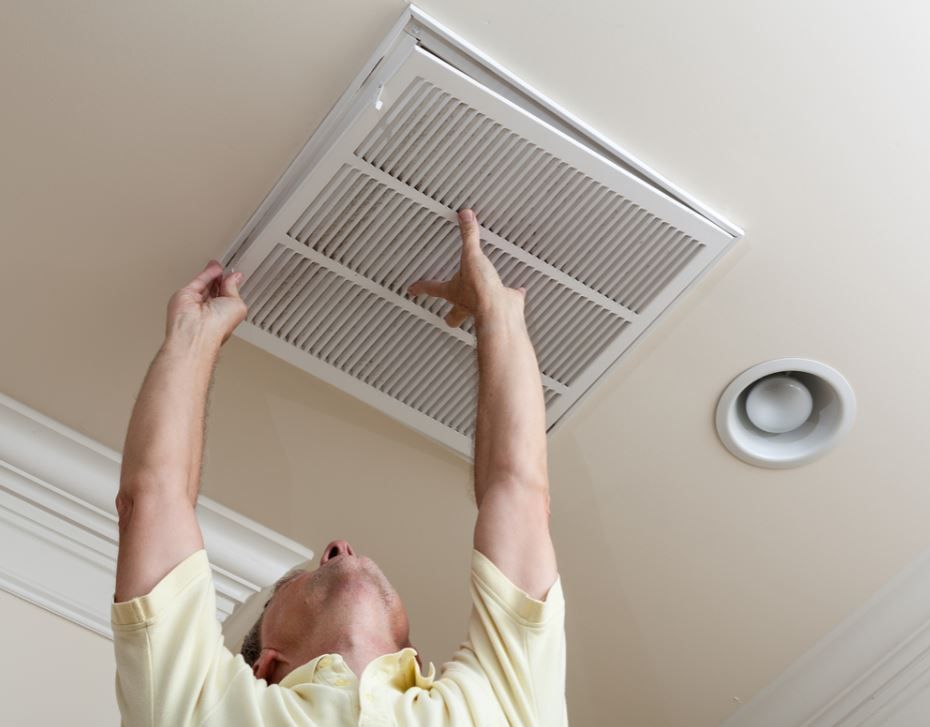
Replacing clogged air filters is one of the simplest yet most effective tasks in regular HVAC maintenance. Air filters trap airborne debris, protecting sensitive mechanical parts from dust accumulation while cleaning indoor air.
When a filter becomes dirty, airflow slows dramatically. This restriction forces the blower motor to work harder, generating excess heat and wasting electricity. In extreme cases, restricted airflow can cause evaporator coils to freeze during summer or trigger high-temperature limit switches during winter.
Choosing the Right Filter
Filters are rated using the Minimum Efficiency Reporting Value (MERV) scale, which ranges from 1 to 16 for residential and light commercial equipment:
- MERV 1–4: Basic fiberglass filters that capture large debris but offer minimal dust protection.
- MERV 5–8: Pleated synthetic filters capable of capturing finer particles, mold spores, and dust mites.
- MERV 9–12: High-efficiency filters suitable for households with pets or mild allergy concerns.
- MERV 13–16: Premium residential filters designed to trap micro-particles, bacteria, and smoke.
Replacement Timelines
- Standard 1-inch filters: Replace every 30 to 60 days.
- High-capacity pleated filters (3–5 inches): Replace every 6 to 12 months.
- Homes with indoor pets: Check filters monthly and replace as needed.
2. Clean and Clear Outdoor Condenser Units
Outdoor condenser units remain exposed to natural elements year-round. Leaves, grass clippings, dirt, and branches gather around the housing, blocking airflow through the external aluminum fins. Restricted airflow prevents heat from dissipating properly, causing system efficiency to drop.
Clearing Surrounding Debris
Maintain a minimum two-foot clear radius around your outdoor unit. Trim back encroaching bushes, tall grass, and decorative garden foliage. Remove fallen leaves or twigs from the top grille to ensure unhindered exhaust airflow.
Washing Condenser Coils
Over time, atmospheric dirt coats the delicate exterior coils. Turn off power at the local disconnect box before servicing. Use a gentle stream from a garden hose directed from the inside out to wash away accumulated grime. Avoid high-pressure washers, which can bend fragile metal fins and damage internal circuitry.
3. Inspect and Clean the Evaporator Coil
Located inside the indoor air handler or furnace cabinet, the evaporator coil absorbs heat from indoor air during summer cooling cycles. As warm air passes over the cold metal surface, moisture condenses out of the air and collects on the coil fins.
If fine dust bypasses the air filter, it sticks to the wet surface, forming a thick layer of mud. This layer acts as thermal insulation, preventing cold refrigerant inside the coil from absorbing room heat. Annual HVAC maintenance includes carefully spraying coil surfaces with specialized non-rinse cleaners to dissolve stubborn residue without harming indoor air quality.
4. Maintain Drain Lines and Condensate Pans
Dehumidification is a core function of modern air conditioning. During operation, warm air drops moisture into a drain pan beneath the evaporator coil. This moisture drains away through a dedicated PVC drain line.
Algae, mold, and airborne debris can accumulate inside the drain line, forming stubborn blockages. If liquid cannot drain freely, it overflows the pan, leading to severe water damage on ceilings, walls, or floors.
How to Flush Condensate Lines
- Locate the access tee on the condensate line near the indoor unit.
- Carefully pour one-half cup of plain white vinegar into the access pipe every three months.
- Allow the liquid to sit for 30 minutes to break down algae growth.
- Flush the line with warm water to clear remaining debris.
Ensure your drain system includes a safety float switch. This switch automatically shuts down the system if water rises dangerously high in the pan, protecting your property against accidental overflow.
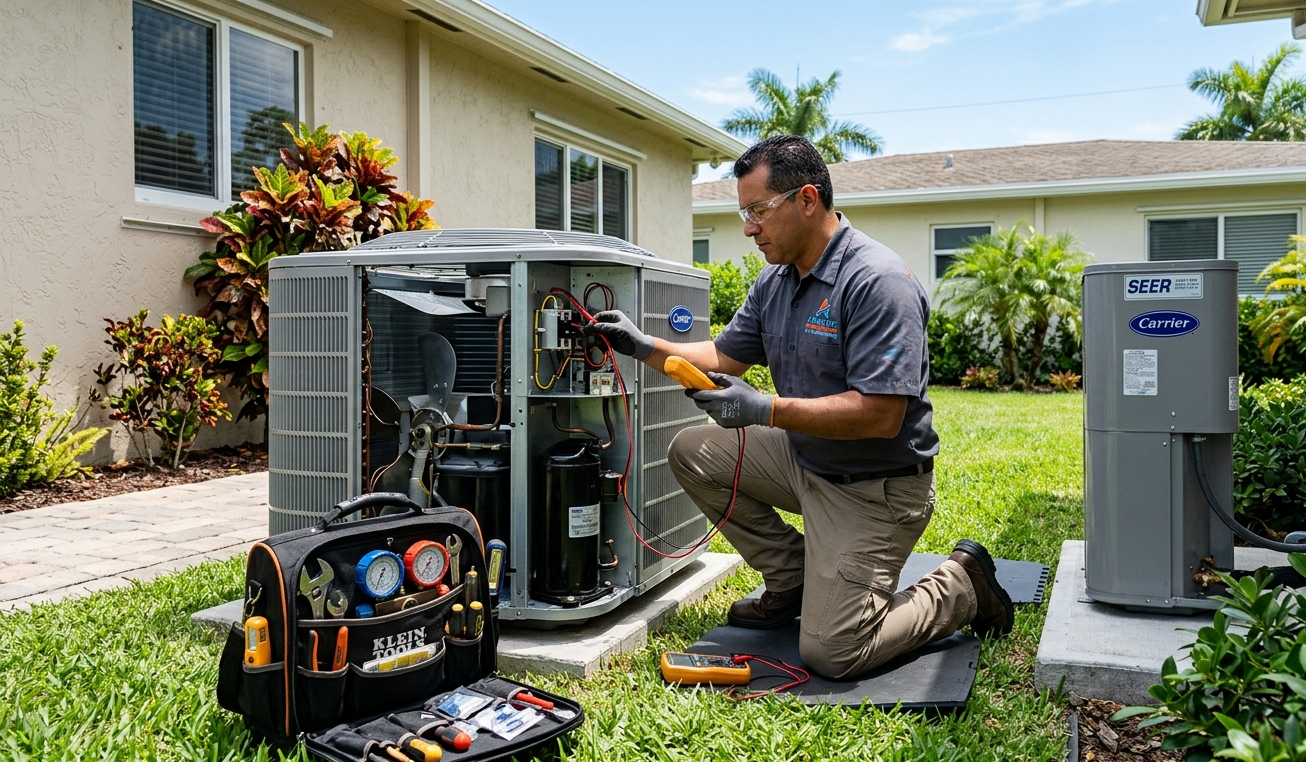
5. Check Electrical Components and Connections
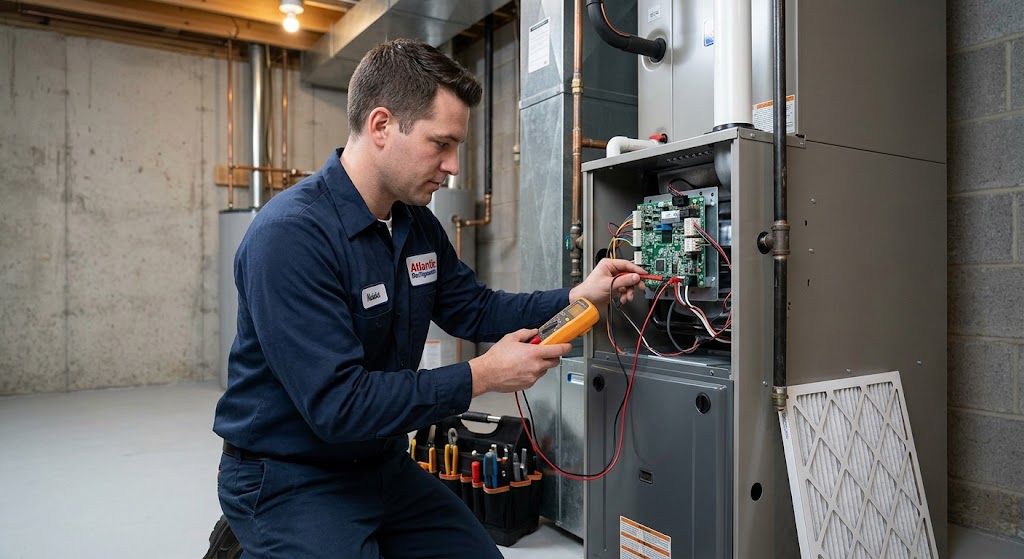
Heating and cooling systems rely on high-voltage electrical circuits to drive compressors, blowers, and outdoor fan motors. Thermal expansion, vibration, and age can loosen wiring terminals over time, creating high electrical resistance that generates heat and causes premature part failure.
Regular electrical checks ensure safe, uninterrupted performance:
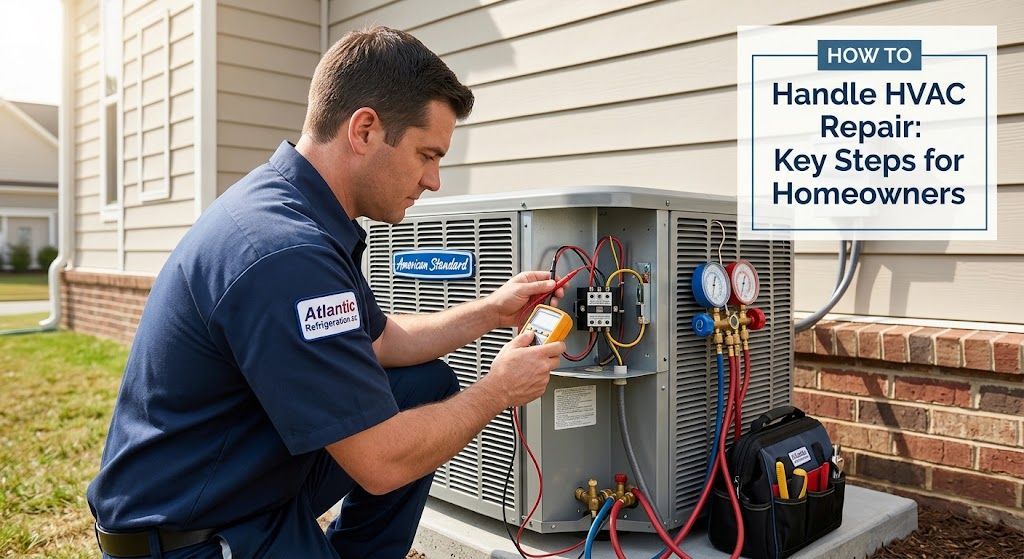
- Tightening Connections: Inspecting and securing terminal screws on contactors, relays, and circuit breakers.
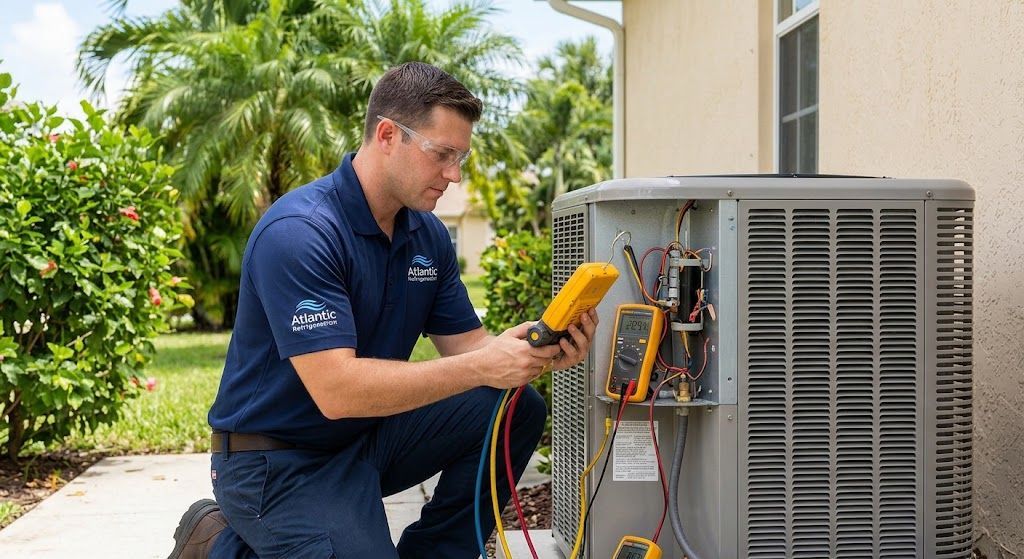
- Testing Capacitors: Measuring microfarad ratings on start and run capacitors. Weak capacitors force motors to pull excessive amperage during startup, shortening their service life.
- Inspecting Contactors: Checking for pitting or burn marks on electrical contact points that can stall compressor engagement.
6. Calibrate Thermostats and Controls
Your thermostat acts as the central brain of your environment system. An uncalibrated sensor reads room temperatures incorrectly, running equipment too long or shutting off cycles prematurely.
Modern programmable and smart thermostats enhance comfort while cutting unnecessary energy use. Setting automated schedules lowers heating or cooling production when your building is unoccupied, reducing equipment wear.
Verify thermostat accuracy by placing a reliable digital thermometer beside the unit. If readings differ by more than two degrees, recalibrate the device according to manufacturer instructions or replace aging hardware with a modern smart thermostat.
7. Schedule Professional Seasonal Tune-Ups
While property owners can handle basic tasks like replacing air filters and clearing yard debris, comprehensive servicing requires specialized tools and technical expertise. Comprehensive professional checks ensure every mechanical and electrical part operates safely within manufacturer specifications.
A complete professional tune-up should include:
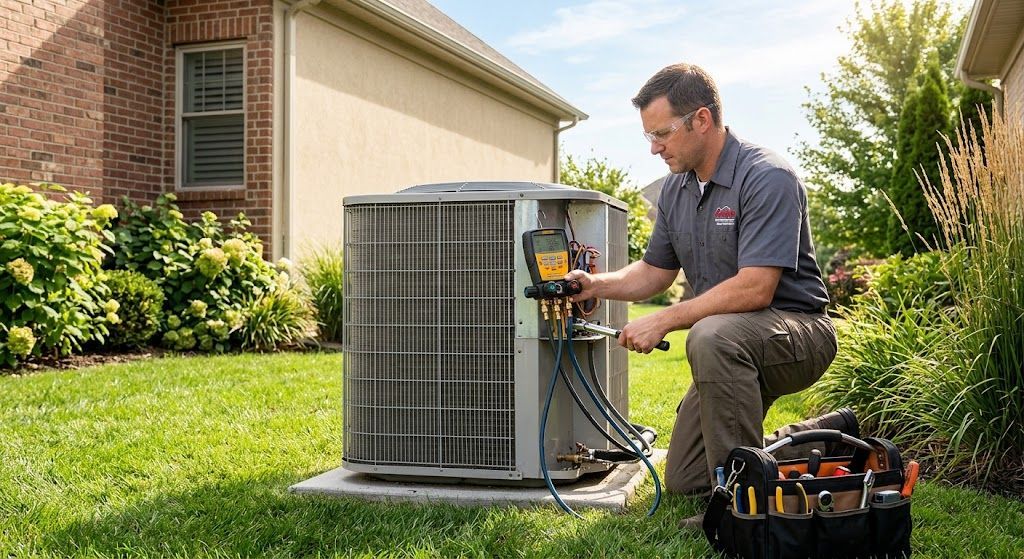
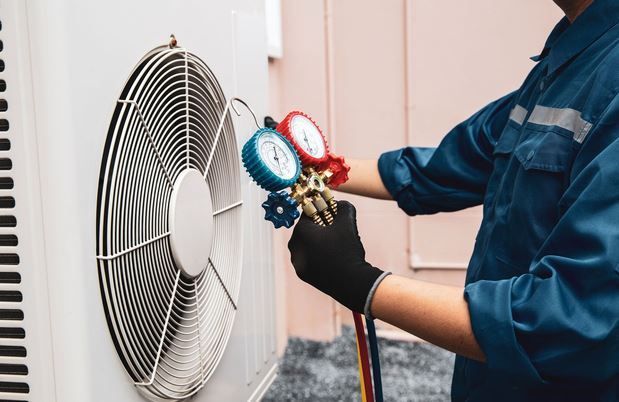
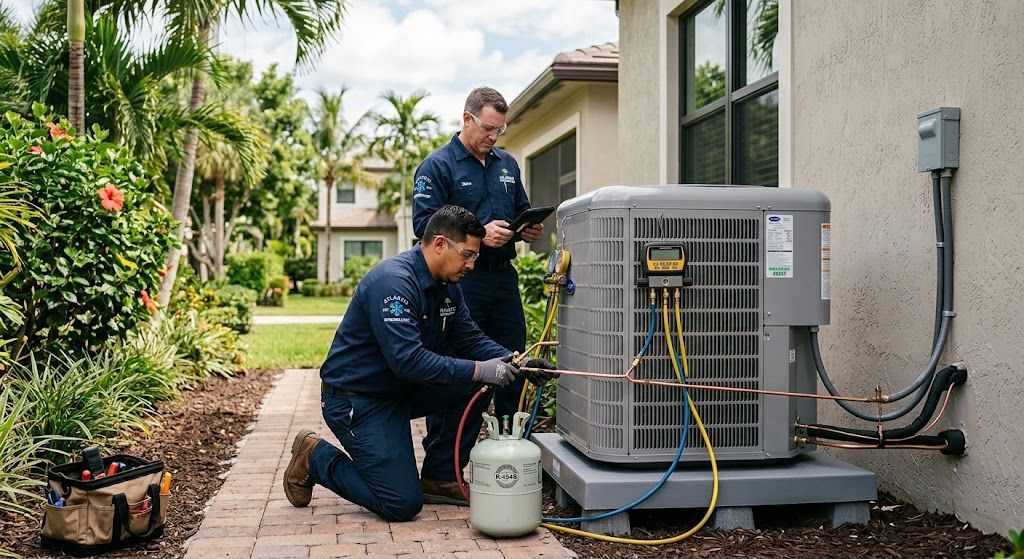
- Refrigerant Level Verification: Testing operating pressures to detect potential leaks. Incorrect refrigerant charge lowers cooling output and risks compressor damage.
- Blower Assembly Balancing: Cleaning blower wheel blades and measuring airflow velocity across coils.
- Ductwork Sealing Checks: Inspecting accessible air ducts for leaks, disconnected joints, or degraded insulation that bleeds conditioned air into unconditioned spaces.
- Heat Exchanger Safety Inspections: Checking gas furnace heat exchangers for hair-line cracks that could vent dangerous carbon monoxide into living areas.
- Safety Switch Diagnostics: Testing high-pressure cutoffs, flame sensors, and limit switches to verify emergency shutoffs function correctly.
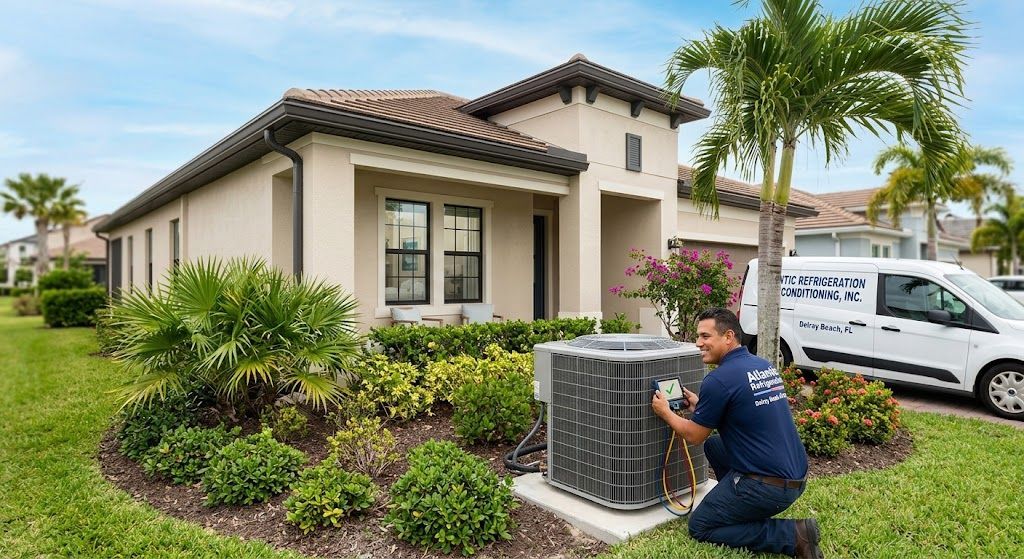
Establishing a consistent spring and fall schedule keeps your equipment prepared for summer heat spikes and winter freezes. Partnering with skilled technicians ensures your equipment receives accurate care tailored to your local climate demands. For complete system inspections, diagnostic repairs, and specialized service plans, trust experts in comprehensive
HVAC maintenance to protect your comfort year-round.
Implementing these proactive steps delivers consistent indoor temperatures, keeps monthly utility bills low, and provides peace of mind through every season. Protecting your climate control investment starts with simple, deliberate steps today.