When local temperatures climb, your heating, ventilation, and air conditioning system transforms into the most valuable appliances in your entire home. A properly functioning climate control system keeps your living spaces comfortable,
balances indoor air quality, and prevents excess humidity from warping woodwork or encouraging mold growth. Yet, far too many homeowners overlook the initial warning signs of a struggling unit, waiting until their system shuts down completely on the hottest day of summer before seeking help.
Understanding how your climate control equipment operates—and learning how to spot subtle performance drops—is essential for prolonging your system's life and protecting your household budget. Routine maintenance and timely professional interventions prevent minor component wear from escalating into devastating mechanical failures. Below is a comprehensive guide on diagnosing HVAC issues, carrying out simple homeowner troubleshooting, and maintaining peak energy efficiency throughout the seasons.
The Anatomy of Modern Home Climate Control Systems
To understand what happens when a system malfunctions, it helps to recognize how modern heating and cooling equipment works. Most residential properties rely on split-system central air conditioners or heat pumps. These systems use a delicate balance of mechanical, electrical, and chemical processes to move thermal energy from inside your home to the outdoors.
Core Components of a Split-System Air Conditioner
- The Indoor Evaporator Coil: Located inside your furnace or air handler, this coil carries chilled liquid refrigerant. As warm indoor air is blown across the coil, the refrigerant absorbs thermal heat, lowering the air temperature before it cycles back into your rooms.
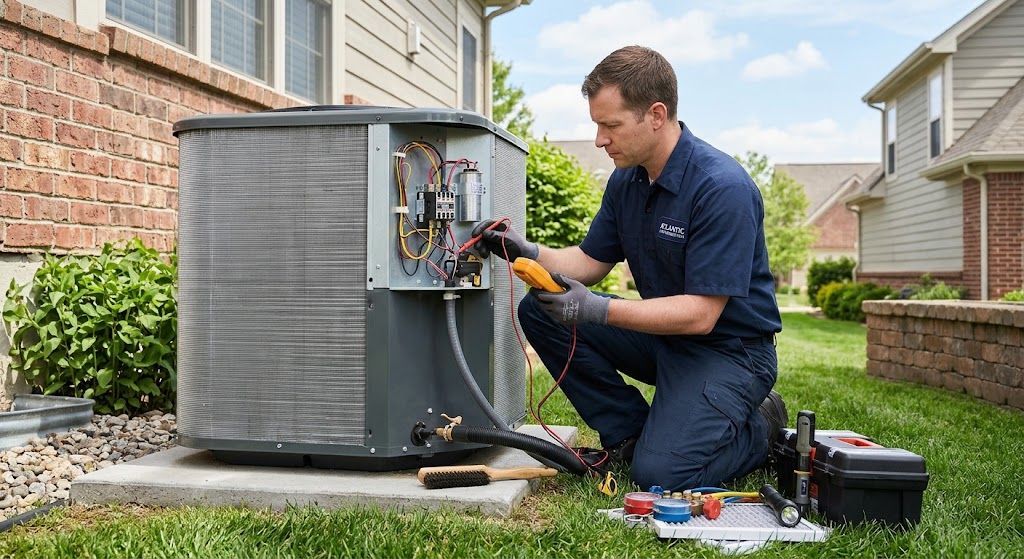
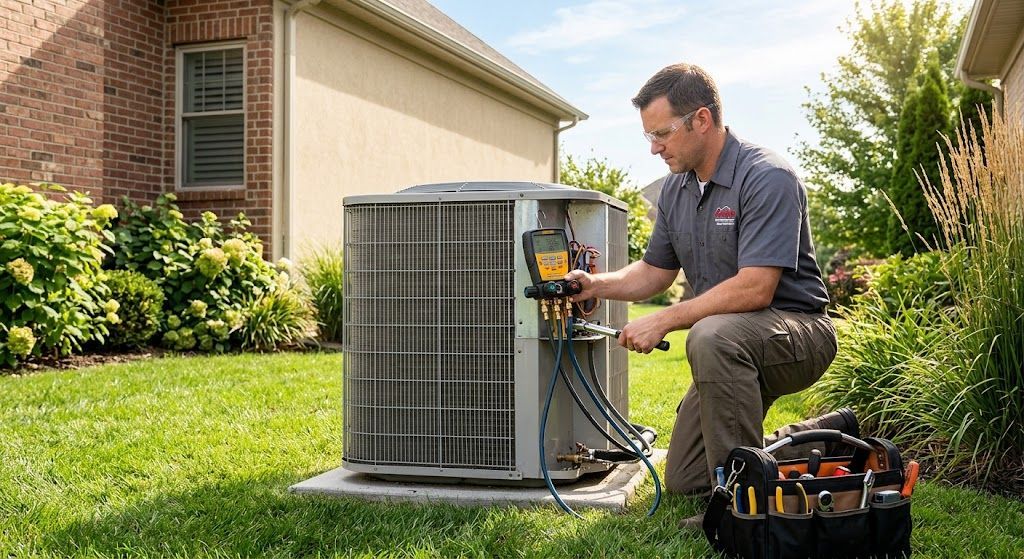
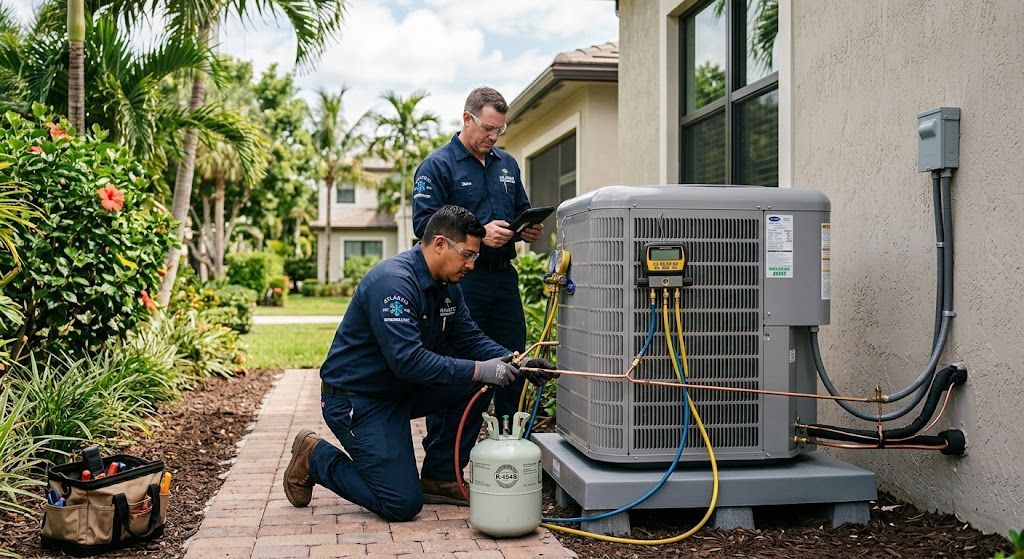
- The Outdoor Compressor and Condenser Unit: The compressor acts as the heart of the refrigeration cycle. It pressurizes warm refrigerant gas and pumps it to the outdoor condenser coil, where a heavy-duty fan dissipates the heat into the outside atmosphere.
- The Expansion Valve: This component regulates the flow of refrigerant entering the evaporator coil, dropping its pressure and temperature so it can effectively absorb heat again.
- The Air Handler and Blower Motor: The blower drives air movement throughout your property, forcing conditioned air through supply ducts and pulling stale air back through return grilles.
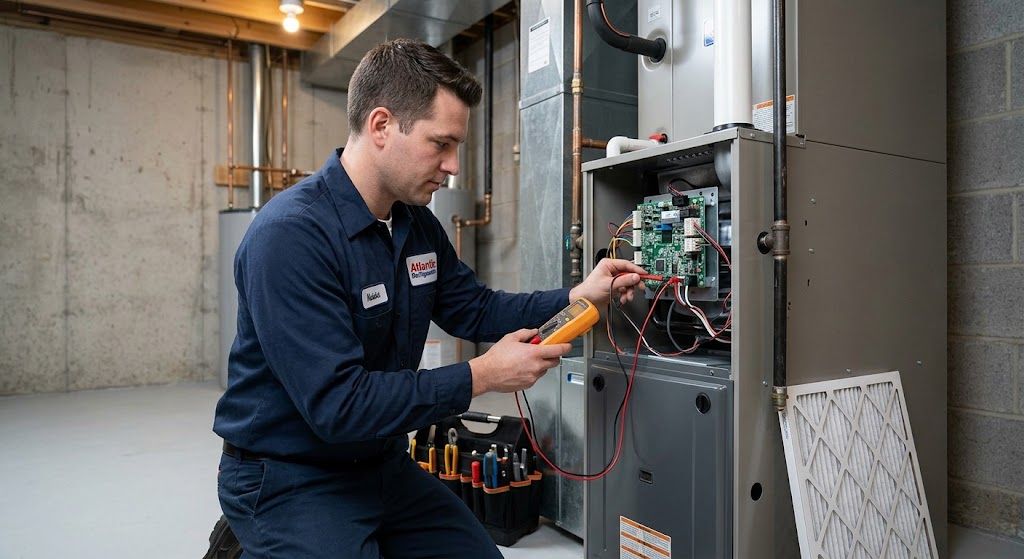
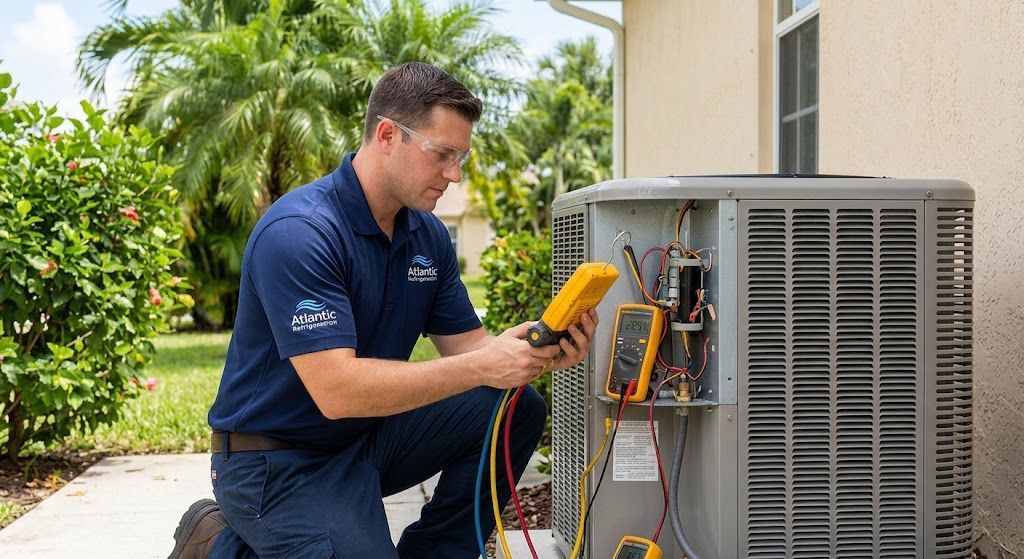
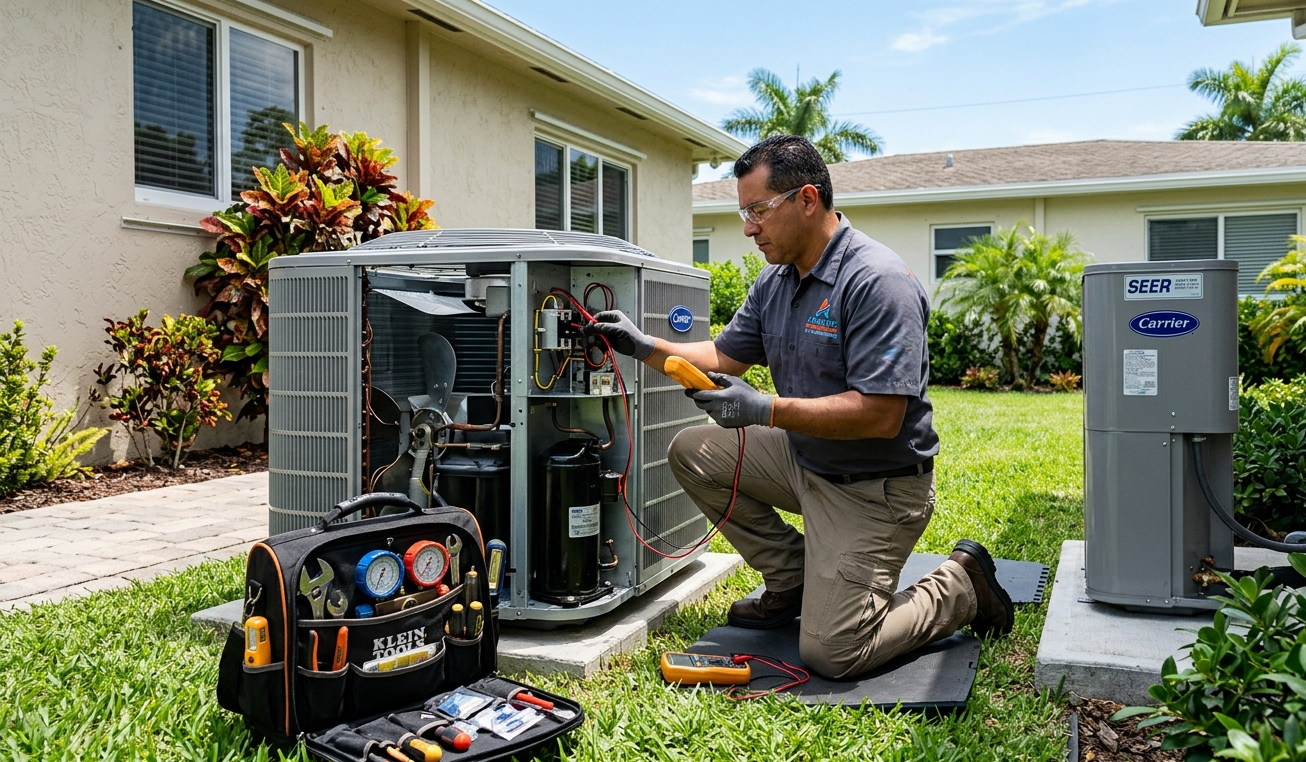
- Thermostat and Electrical Controls: Capacitors, contactors, control boards, and thermostats orchestrate every cycle, ensuring the compressor and fans start, run, and stop safely on demand.
When every component operates in harmony, your home maintains a steady, comfortable temperature while keeping energy bills manageable. However, if one part experiences stress or physical failure, it forces the rest of the machinery to work harder, accelerating wear across the entire assembly.
Early Warning Signs Your System Needs Professional Care
HVAC systems rarely break down without offering subtle clues beforehand. Learning how to read these early indicators allows you to schedule maintenance before experiencing a full system shutdown.
+-----------------------------------------------------------------------+
| COMMON HVAC SYMPTOM CHECKLIST |
+-----------------------------------------------------------------------+
| [ ] Warm or lukewarm air blowing from supply vents |
| [ ] Frequent short-cycling (turning on/off every few minutes) |
| [ ] Sudden spike in monthly utility and electric bills |
| [ ] Strange noises (grinding, squealing, banging, or clicking) |
| [ ] Persistent foul odors (musty smells or burning dust) |
| [ ] Frozen outdoor refrigerant lines or ice on indoor coils |
| [ ] Water pooling around the indoor furnace or air handler drain pan |
| [ ] Elevated indoor humidity levels and clammy air |
+-----------------------------------------------------------------------+
1. Warm or Insufficient Airflow
If warm or tepid air blows from supply registers while your thermostat is set to cooling mode, your system is failing to dissipate heat effectively. Restricted airflow can stem from a clogged air filter, collapsed ductwork, or a failing blower motor. If the airflow feels strong but warm, you may be facing a refrigerant leak, a failed compressor capacitor, or a dirty condenser coil.
2. Rapid On-And-Off Cycles (Short-Cycling)
Air conditioners naturally run in steady cooling cycles lasting 15 to 20 minutes to reduce room temperatures and remove indoor humidity. If your system turns on, runs for three minutes, shuts off, and turns back on shortly after, it is short-cycling. This behavior places immense electrical stress on the compressor and fan motors, often caused by incorrect equipment sizing, overheating components, or malfunctioning thermostat sensors.
3. Strange System Noises
While HVAC equipment makes a quiet humming sound during normal operation, unusual mechanical sounds demand immediate investigation:
- Grinding or Screeching: Often points to worn motor bearings, damaged fan belts, or a failing compressor motor.
- Banging or Clanking: Suggests a loose or broken internal rod, piston, or fan blade within the sealed outdoor unit.
- Clicking Sounds: Rapid clicking during system startup usually points to an electrical issue, such as a failing contactor relay or motor capacitor.
- Hissing or Bubbling: Typically indicates a pressurized refrigerant leak within the copper coils or line set.
4. Excessive Moisture and Water Leaks
Cooling your home creates substantial condensation as moisture condenses on the cold evaporator coil. This water is designed to drain safely outdoors through a condensate drain line. If you notice water pooling around the base of your indoor equipment, your drain line is likely clogged with algae, dirt, or debris. Left unaddressed, overflow can cause structural damage to your ceiling, floor, or subfloor, while creating ideal conditions for toxic mold growth.
Basic DIY Troubleshooting Steps Before Making the Call
When your system acts up, performing a few basic home checks can help rule out simple user errors or quick fixes before contacting a technician.
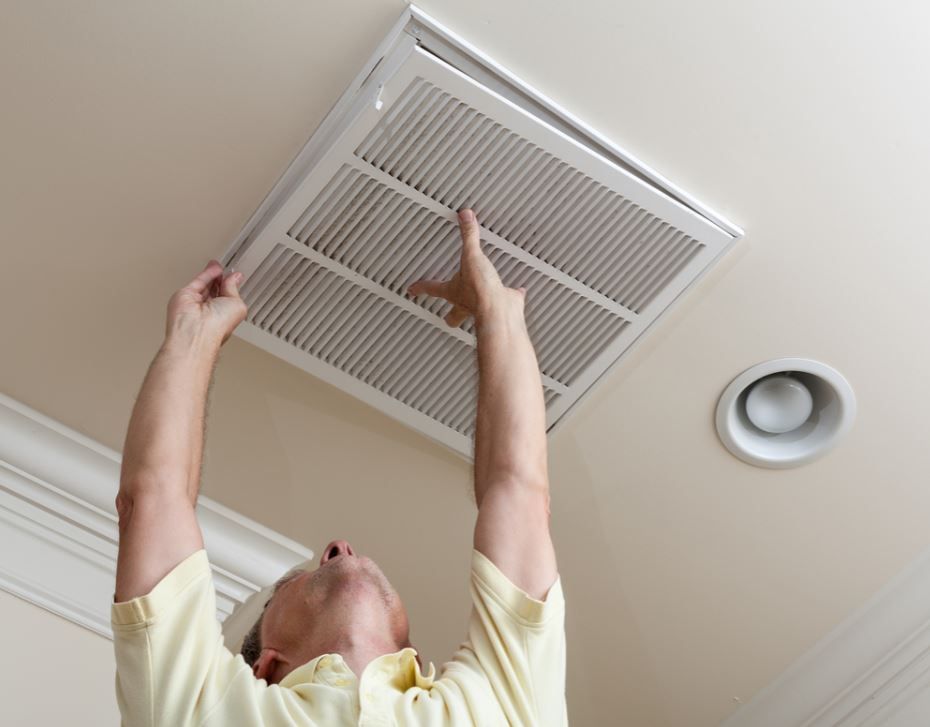
Step 1: Inspect and Replace the Air Filter
A filthy, dust-clogged filter is the primary cause of sudden performance loss. Restricted airflow prevents air from passing across the evaporator coil, causing the coil temperature to drop below freezing. Check your filter monthly during heavy usage seasons and replace it if it appears coated in dust or pet hair.
Step 2: Verify Thermostat Settings
Double-check that your thermostat is set to "Cool" (or "Heat" during winter months) and that the fan switch is set to "Auto" rather than "On." Setting the fan to "On" causes the blower to run continuously, even when the cooling cycle is idle, which can blow warm, humid air back into your home. If your digital thermostat screen is blank, replace the internal batteries.
Step 3: Check Electrical Breakers
HVAC systems pull significant electrical current during startup and operate on dedicated circuits. Check your main home breaker panel to ensure neither the indoor air handler breaker nor the outdoor compressor breaker has tripped to the "Off" position. If a breaker trips repeatedly, do not continue resetting it; recurring trips indicate a dangerous electrical overload that requires professional service.
Step 4: Clear around the Outdoor Condenser Unit
The outdoor condensing unit requires unrestricted perimeter airflow to release heat. Check the outdoor cabinet and clear away accumulated leaves, grass clippings, weeds, branches, or lawn decorations. Maintain at least two feet of open clearance on all sides of the unit.
The Risks of Delaying Needed Repairs
It can be tempting to ignore minor squeaks or slight cooling reductions, especially when a system seems to be getting by. However, delaying needed maintenance or repairs almost always increases long-term expenses.
Compounded Mechanical Damage
HVAC systems operate as interconnected closed-loop networks. A minor issue—such as a dirty filter or low refrigerant charge—forces the compressor to run hotter and longer than intended. Over time, this extra stress can burn out the compressor windings. Replacing a small, low-cost component early on prevents the need to replace expensive core equipment later.
Skyrocketing Utility Bills
When an air conditioner or heat pump struggles against clogged coils, leaky ducts, or failing motors, it consumes far more electricity to achieve basic cooling goals. Addressing performance drops promptly keeps seasonal energy bills lower and reduces overall wear on your home's electrical grid.
How to Select the Right Climate Control Professional
When home troubleshooting steps do not resolve performance issues, working with a qualified, licensed technician is crucial. Modern high-efficiency heating and cooling units rely on precise refrigerant charges, complex digital controls, and strict safety protocols.
When evaluating service providers, look for established local businesses that feature:
- Industry Certifications: NATE (North American Technician Excellence) certification demonstrates technical proficiency across modern cooling, heating, and indoor air quality equipment.
- Transparent Pricing structures: Dependable contractors provide thorough diagnostic assessments and clear written estimates before performing major work.
- Comprehensive Warranty Coverage: Quality contractors stand behind their labor and replacement parts with clear warranties and satisfaction guarantees.
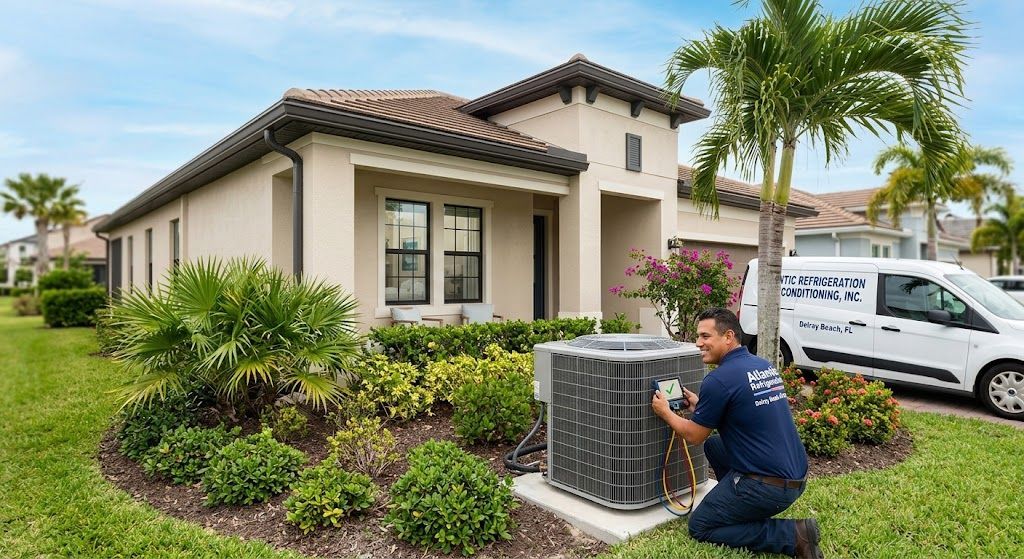
For reliable service from experienced professionals, visit Atlantic Refrigeration for expert
hvac repair, routine seasonal maintenance, and high-efficiency equipment installations. Choosing a team with a proven track record ensures your home remains comfortable and safe throughout the year.
Proactive Steps for Year-Round System Health
Taking a proactive approach to home maintenance prevents unexpected system failures during peak summer heat waves and winter freezes.
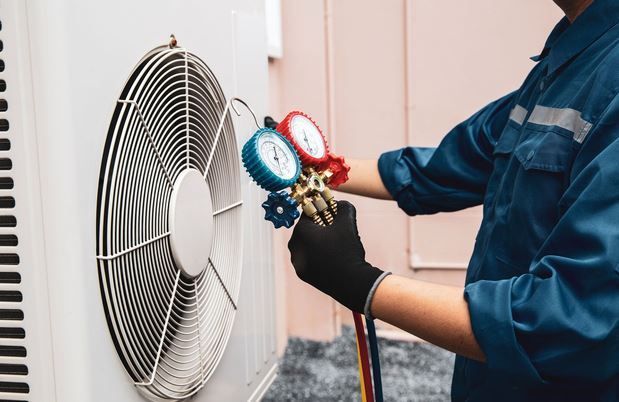
Schedule professional maintenance checkups twice per year—once in the spring for your cooling equipment, and once in the autumn for your heating system. During these visits, technicians clean internal coils, flush condensate lines, inspect electrical connections, measure refrigerant pressures, and check overall safety controls.
By monitoring system performance, changing air filters regularly, and partnering with experienced technicians at the first sign of trouble, you protect your investment and maintain a healthy, comfortable home year after year.