Preventive maintenance keeps commercial refrigeration reliable, food-safe, and efficient, but it only works if you have a clear, repeatable checklist your team and your contractor actually follow. This guide outlines a practical daily‑to‑annual maintenance program you can adapt for walk‑in coolers, freezers, reach‑ins, prep tables, and similar equipment in restaurants, supermarkets, and other commercial facilities.
Why Preventive Maintenance Matters
Commercial refrigeration failures are expensive. A single downed walk‑in cooler can mean thousands of dollars in spoiled product, emergency repair costs, and possible health code violations. Regular preventive maintenance dramatically reduces surprise breakdowns, extends equipment life, and keeps systems running at food‑safe temperatures with less energy.
A solid preventive program focuses on four core goals:
Keep everything clean so air and refrigerant can move freely.
Catch small issues—like loose gaskets or dirty coils—before they turn into major failures.
Maintain stable, accurate temperatures for food safety and regulatory compliance.
Document what was done and when, so you can prove due diligence and see patterns over time.
Think of the checklist below as a framework: you can adjust individual tasks and frequency based on your specific equipment, manufacturer recommendations, and operating environment.
Daily Preventive Maintenance Tasks
Daily checks are quick, but they are your first line of defense against temperature problems and health inspection issues.
1. Verify and record temperatures
Check and log the temperature of each unit at least once per shift.
Confirm that readings match your food safety targets and any local code requirements.
Consistent records help you spot trends, such as a cooler slowly running warmer over several days, which can signal a developing problem.
2. Inspect doors and gaskets
Check that doors close and latch fully, without needing to be slammed.
Look for torn, brittle, or loose gaskets and areas where light shows through the seal.
Poor door seals let warm, moist air in, forcing the system to work harder and increasing ice buildup on coils.
3. Check for unusual noises, vibrations, or odors
Listen for rattling, grinding, or buzzing from the evaporator or condensing unit.
Note any burning or musty smells, which can indicate electrical or drainage problems.
Train staff to report changes immediately; catching a failing fan motor early can prevent a catastrophic failure.
4. Maintain basic cleanliness
Wipe up spills and debris inside units and on floors to prevent mold and odors.
Make sure product is stored off the floor and not blocking air vents.
Good housekeeping improves airflow and reduces contamination risk.
Weekly Preventive Maintenance Tasks
Weekly tasks are slightly more detailed and help keep airflow unobstructed and components in good condition.
5. Clean interior surfaces and shelving
Wipe down walls, shelves, and door frames with appropriate, non‑corrosive cleaners.
Sanitize high‑touch areas like handles to reduce bacterial growth.
Regular cleaning lowers the risk of foul odors and mold growth inside the box.
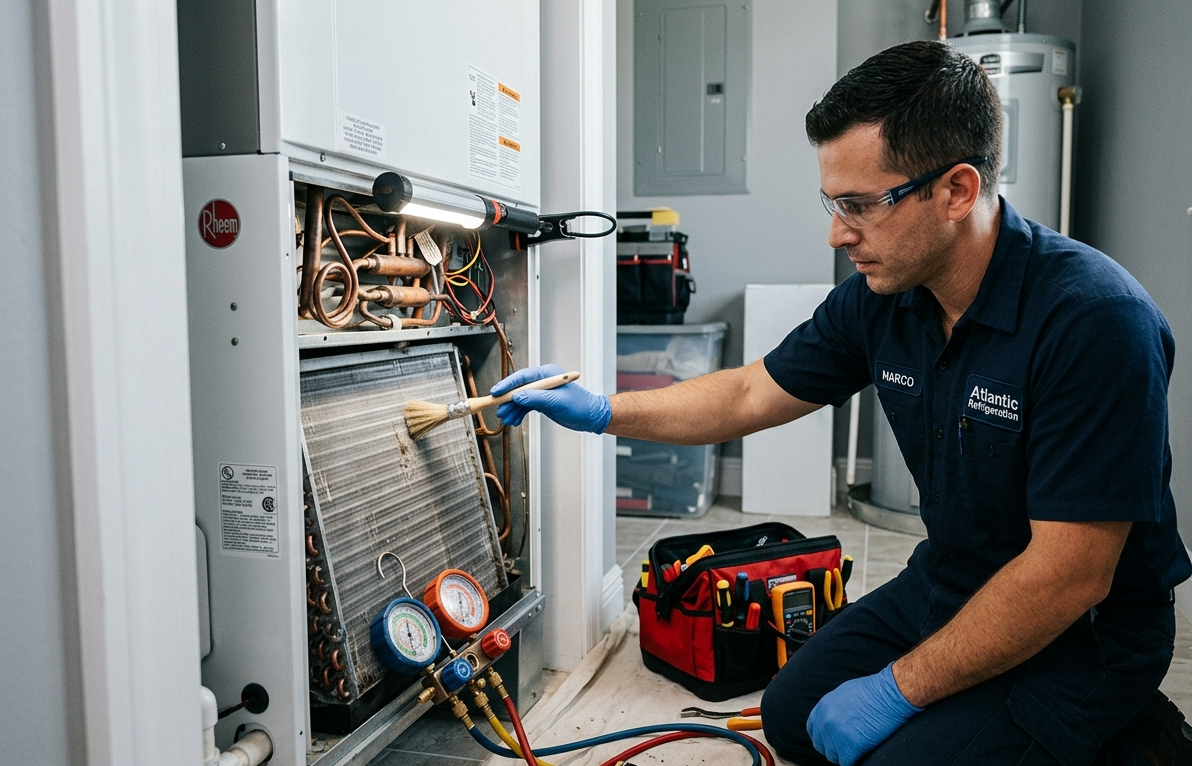
6. Inspect and clean evaporator area
Visually check evaporator coils and fans for dust, ice buildup, or obstructions.
Remove boxes or product stacked right against the coil or fan guards.
Blocked or iced‑up evaporators reduce cooling capacity and can lead to temperature swings and defrost issues.
7. Check lighting and basic hardware
Replace burnt‑out interior lights, which are important for staff safety and inspection visibility.
Check hinges, latches, and door closers for smooth operation; lubricate or adjust if doors are sagging or slamming.
Small hardware issues often precede bigger door and gasket problems, so this is an easy early‑warning indicator.
Monthly Preventive Maintenance Tasks
Monthly tasks focus more on performance, drainage, and system controls.
8. Clean condenser coils and front grills
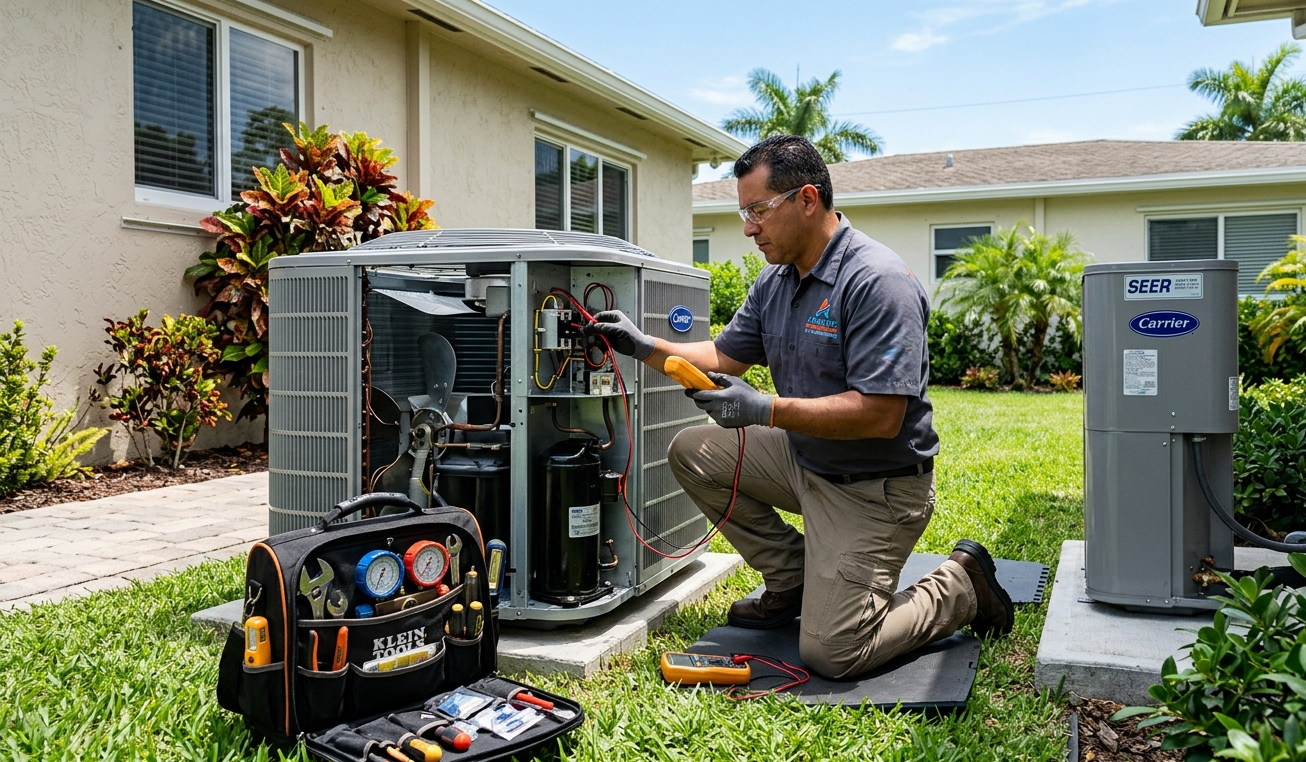
Vacuum or brush debris from condenser coils on remote or self‑contained units.
Degrease coils near cooking equipment where grease accumulates, using a coil‑safe cleaner.
Ensure front grills and louvers are free of dust, cardboard, and clutter.
Dirty condenser coils are one of the top causes of refrigeration systems failing to hold temperature and using more energy.
9. Inspect and clear drain lines and pans
Check drain pans for standing water, slime, or mold growth.
Clear drain lines of debris or buildup to prevent clogs and overflows.
Backed‑up drains can cause water leaks, foul odors, and even freeze‑ups if water refreezes near the coil.
10. Verify thermostat and defrost settings
Confirm that setpoints match your operational needs and food safety requirements.
Review defrost timer settings for walk‑ins and freezers to ensure they are defrosting long enough—but not too often.
Improper defrost schedules can cause either excessive ice buildup or unnecessary warming of product during defrost cycles.
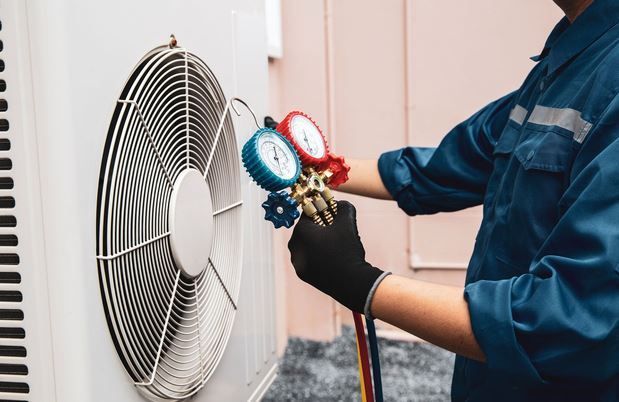
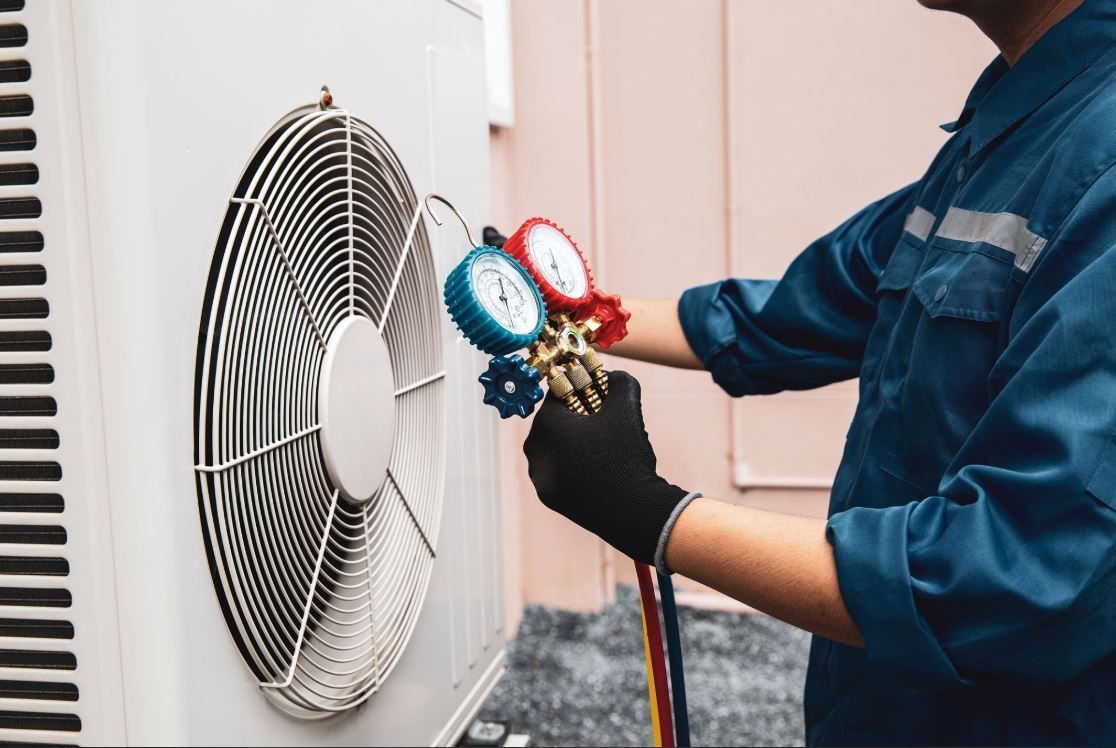
11. Check refrigeration pressures and refrigerant levels (by a professional)
Have a qualified technician periodically check pressures and look for signs of low charge or leaks.
Inspect visible lines and joints for oil stains, which can indicate leaks.
Operating with low refrigerant shortens compressor life and may push temperatures out of safe ranges.
Quarterly Preventive Maintenance Tasks
Quarterly, it is wise to perform deeper inspections and electrical checks.
12. Inspect electrical connections and controls
Check for loose, corroded, or overheated electrical terminals at contactors, relays, and control boards.
Confirm that safety devices—like high‑pressure controls and door alarms—are functioning properly.
Electrical issues are a common source of intermittent failures and nuisance shutdowns.
13. Examine fans, motors, and blades
Inspect evaporator and condenser fan blades for cracks, damage, or buildup.
Listen to motors under load and check for excessive noise, heat, or vibration.
Replacing a worn fan motor proactively is far cheaper than losing a full cooler of product when it fails.
14. Review temperature and maintenance logs
Look back through daily temperature logs and maintenance records for patterns.
Identify units that frequently run warm, need frequent adjustments, or consume more service time.
These data help you target capital planning and decide when repair vs. replacement makes financial sense.
Annual Preventive Maintenance Tasks
At least once a year, schedule a comprehensive inspection and tune‑up by a commercial refrigeration specialist.
15. Perform a full system performance check
Verify that each unit can pull down to temperature and hold it under normal load.
Measure superheat, subcooling, and other key performance indicators where appropriate.
This kind of testing helps identify marginal systems before they fail during the busiest time of year.
16. Deep clean and service critical components
Thoroughly clean condenser and evaporator coils, including areas not reachable during routine cleaning.
Inspect compressors, discharge lines, and suction line insulation for wear, corrosion, or damage.
Regular deep service extends the lifespan of high‑value components like compressors, which are very costly to replace.
17. Replace aging or worn parts
Proactively replace worn door gaskets, failing door closers, damaged fan blades, and corroded hardware.
Update obsolete controls or sensors that are no longer accurate or supported.
Strategic part replacement as part of preventive maintenance is cheaper and less disruptive than emergency repairs.
Operational Best Practices to Support Your Checklist
Even the best checklist fails if staff do not use it consistently. A bit of structure goes a long way.
18. Assign clear responsibilities
Designate who handles daily, weekly, and monthly tasks—kitchen staff vs. maintenance team vs. outside contractor.
Incorporate quick checks into opening and closing routines so they become automatic.
Clarity reduces the risk that “everyone” assumes someone else handled the checks.
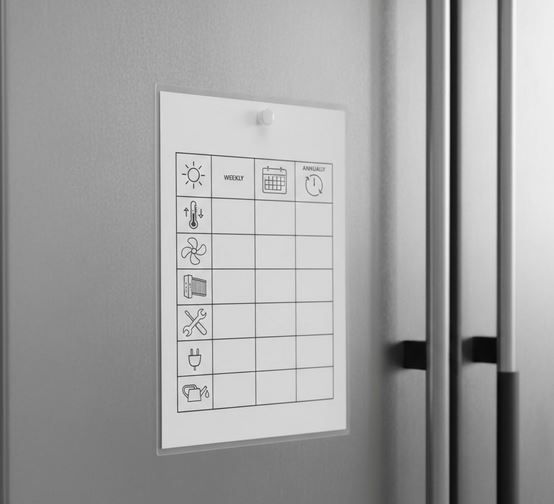
19. Use simple forms or digital tools
Keep printed checklists on clipboards near each unit, or use a digital CMMS/app to schedule and track tasks.
Require initials and timestamps when tasks are completed to build accountability.
Digital logs make it easy to demonstrate compliance during audits and inspections.
20. Train staff to recognize early warning signs
Teach employees what normal temperatures, sounds, and appearances look like for each unit.
Encourage immediate reporting of issues like rising temperatures, ice buildup, or persistent water on the floor.
The earlier you respond, the smaller the disruption and the lower the cost.
Bringing It All Together
A preventive maintenance checklist for commercial refrigeration is more than a list of chores—it is a risk‑management tool that protects your inventory, your customers, and your bottom line. By breaking tasks into daily, weekly, monthly, quarterly, and annual steps, you make them manageable, trainable, and trackable.
If you do not have an internal maintenance team or your operation runs 24/7, partnering with a commercial
refrigeration contractor to customize and execute this checklist is often the most reliable approach. With the right plan in place, your coolers and freezers stay cold, your equipment lasts longer, and surprise breakdowns become the rare exception instead of a regular crisis.