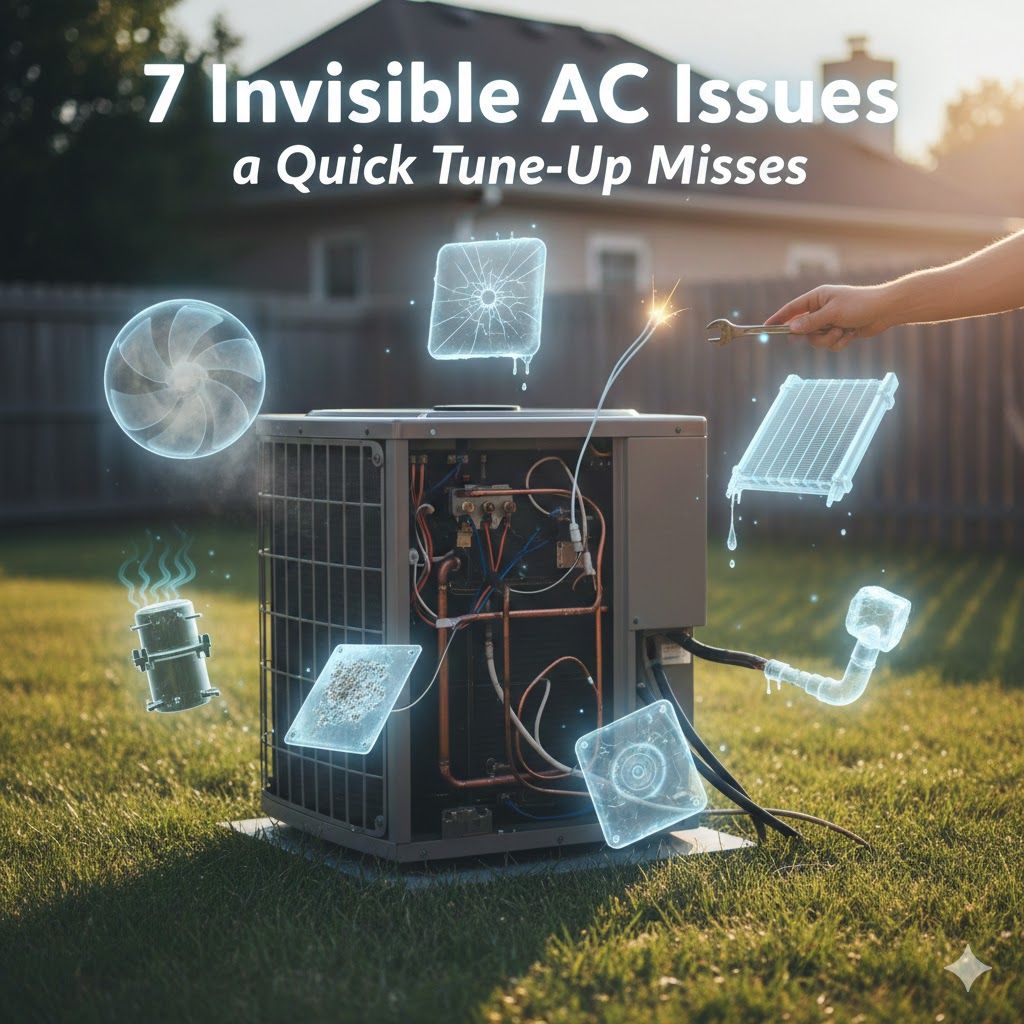
Homeowners often assume that a quick AC tune-up means their system is healthy and ready for another brutal cooling season. The technician is in and out in under an hour, the filter looks fresh, and the thermostat shows the right temperature. Yet the house still has hot rooms, humidity problems, or stubbornly high power bills. This disconnect usually comes down to one thing: truly hidden AC issues that basic checkups simply do not look for.
Those invisible AC issues are not minor annoyances. They slowly wear out your equipment, quietly inflate your monthly bills, and make your home less comfortable even while the system seems to “run fine.” Understanding what a quick tune-up misses – and what a deeper inspection should include – is the key to getting the performance, comfort, and lifespan you actually paid for.
Why quick tune-ups fall short
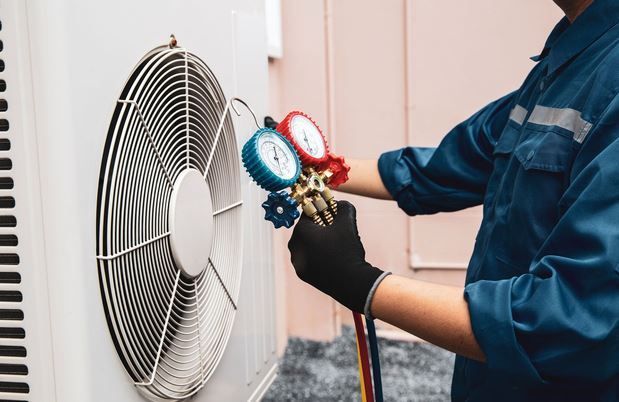
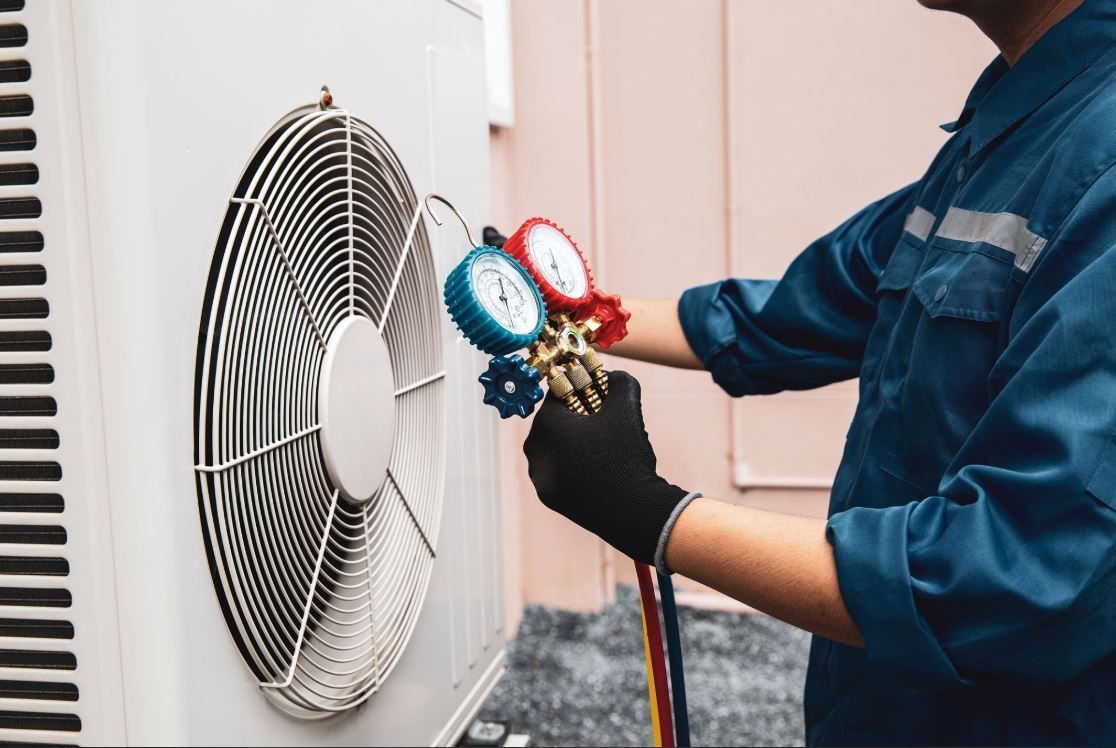
Most quick AC tune-ups focus on obvious, surface-level tasks: replacing or rinsing a filter, checking thermostat operation, verifying basic electrical connections, and confirming that the system turns on and off. These items are important but do not tell the whole story of how efficiently your air conditioner is working or how long it will last. A system can pass these basic checks while major AC issues hide in the ductwork, behind panels, or in the home’s building shell.
In a hot, humid climate where AC runs for much of the year, any unseen restriction, leak, or sizing problem gets amplified. The unit might still cool the home enough to satisfy the thermostat, but it does so with longer run times, frequent cycling, or poor humidity control. That means your energy bills can climb while comfort slowly drops, even though a recent tune-up suggested everything was acceptable. To protect your investment, it helps to know the kinds of AC issues that only show up during a more thorough evaluation.
1. Duct leaks and poor insulation
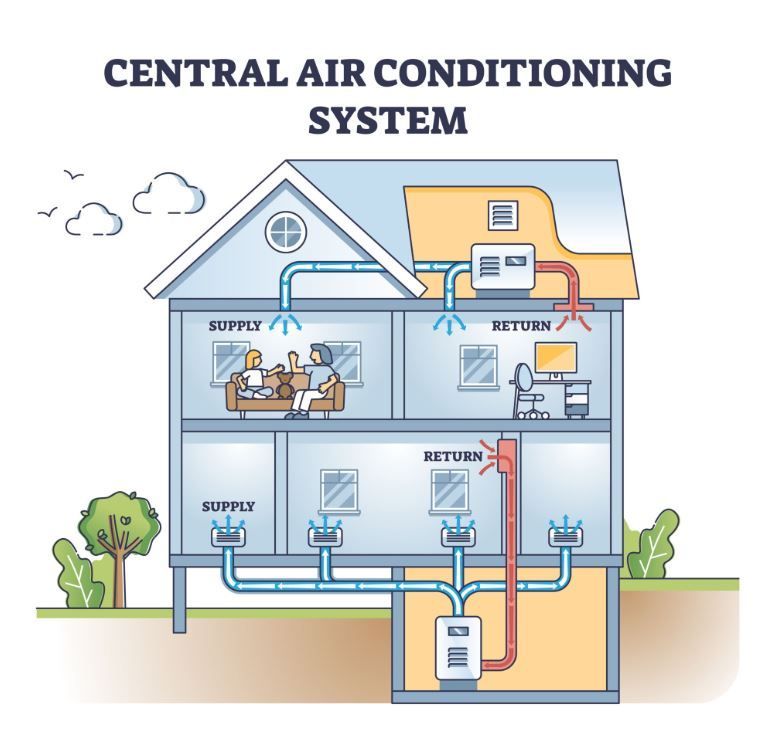
One of the biggest invisible AC issues is leaky, poorly insulated ductwork hidden in attics, crawl spaces, or wall chases. Conditioned air that you have already paid to cool can escape through gaps, loose connections, and failing tape long before it ever reaches your rooms. At the same time, hot, humid air from those unconditioned spaces can be sucked into the return side of the system, watering down the cool, dry air the unit tries to deliver.
A quick tune-up rarely includes pressurizing the ducts, measuring leakage, or visually inspecting attic duct runs end to end. Without those steps, a technician may never see the small separated joint over a back bedroom or the crushed flexible duct that has collapsed under stored boxes. The symptoms show up as rooms that never seem to reach the set temperature, weak airflow in parts of the house, and higher-than-expected utility bills. Because the equipment itself still runs, traditional tune-up checklists may not flag anything as “wrong,” while duct losses quietly grow.
A deeper inspection of this category of AC issues means testing static pressure, checking for dust streaks around duct joints and registers, and examining insulation levels around duct runs in hot spaces. Sealing and properly insulating ducts can reclaim lost cooling capacity, reduce run times, and even extend equipment life by reducing the workload placed on the air conditioner.
2. Oversized systems and short-cycling
Many homes have air conditioners that are too large for the actual cooling load of the building. Oversizing often comes from rule-of-thumb sizing based on square footage or simply replacing an old unit with the same tonnage without a fresh load calculation. At first glance, a larger system seems like a good idea – it cools the home quickly – but that speed is exactly why it becomes one of the most expensive AC issues in the long run.
An oversized unit tends to short-cycle, which means it turns on, blasts a large burst of cold air, and then shuts off again within a few minutes. That rapid on‑off pattern may satisfy the thermostat but does not give the system enough time to dehumidify the air, leaving the home feeling cool but clammy. Frequent cycling also inflicts extra wear on compressors and electrical components, since startup is the most stressful part of each cycle.
Quick tune-ups typically record that the unit starts properly, reaches a target temperature, and shuts off, but they do not measure cycle length over time or compare run behavior to a proper load calculation. To uncover this kind of AC issue, a technician needs to evaluate sizing against the home’s construction, insulation, windows, and ductwork, not just accept the existing equipment tonnage. In some cases, solutions may include right-sizing at replacement, adding staging or variable-speed technology, or adjusting controls to lengthen run times for better humidity management.
3. Hidden airflow restrictions
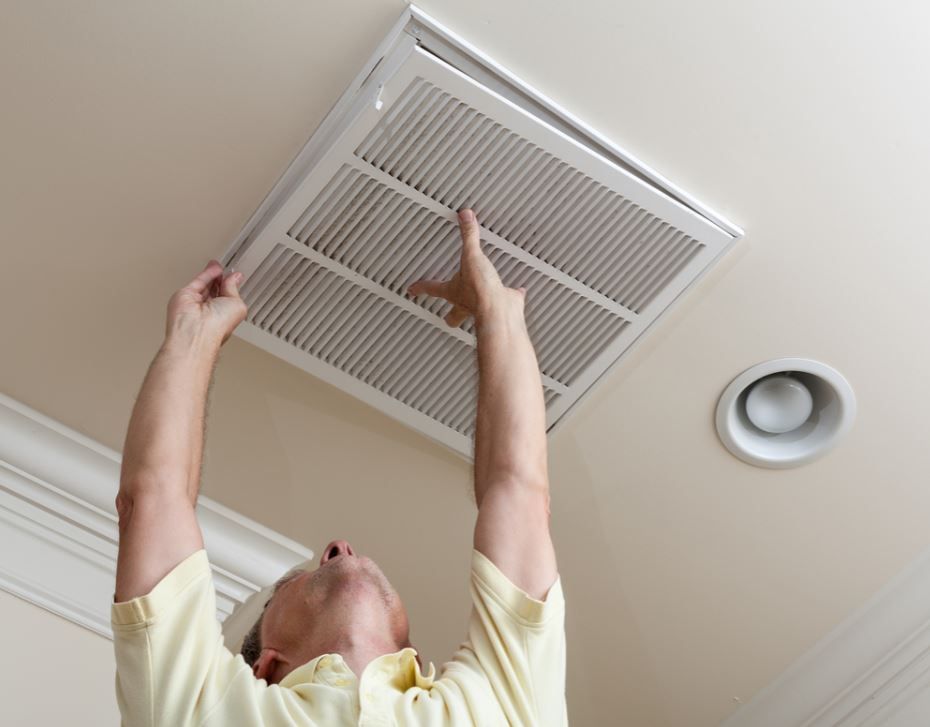
Airflow is the lifeblood of an efficient air conditioner. Even if the equipment is perfectly maintained, hidden restrictions in the return and supply paths can strangle performance. Closed interior doors, blocked return grilles, furniture pushed over supply vents, undersized returns, and long runs of narrow or kinked flex duct all limit how much air can move through the system.
Basic tune-ups often stop at checking that the blower turns on and that air is coming out of supply registers. That level of review rarely diagnoses whether the system is actually moving the correct volume of air for its tonnage. As airflow drops, the evaporator coil can get too cold, encouraging ice formation and reducing the system’s ability to absorb heat and moisture. The blower has to work harder, static pressure rises, and the home ends up with uneven temperatures and noisy air movement.
Resolving these airflow-related AC issues requires measuring static pressure, comparing it to manufacturer specifications, and inspecting duct sizing and layout. Solutions can range from adding or enlarging return grilles, correcting kinked ducts, and ensuring doors are undercut properly, to rebalancing or redesigning sections of the duct system. Once airflow is restored to design levels, the unit can cool more evenly, dehumidify better, and operate closer to its rated efficiency.
4. Dirty evaporator coils and blower assemblies
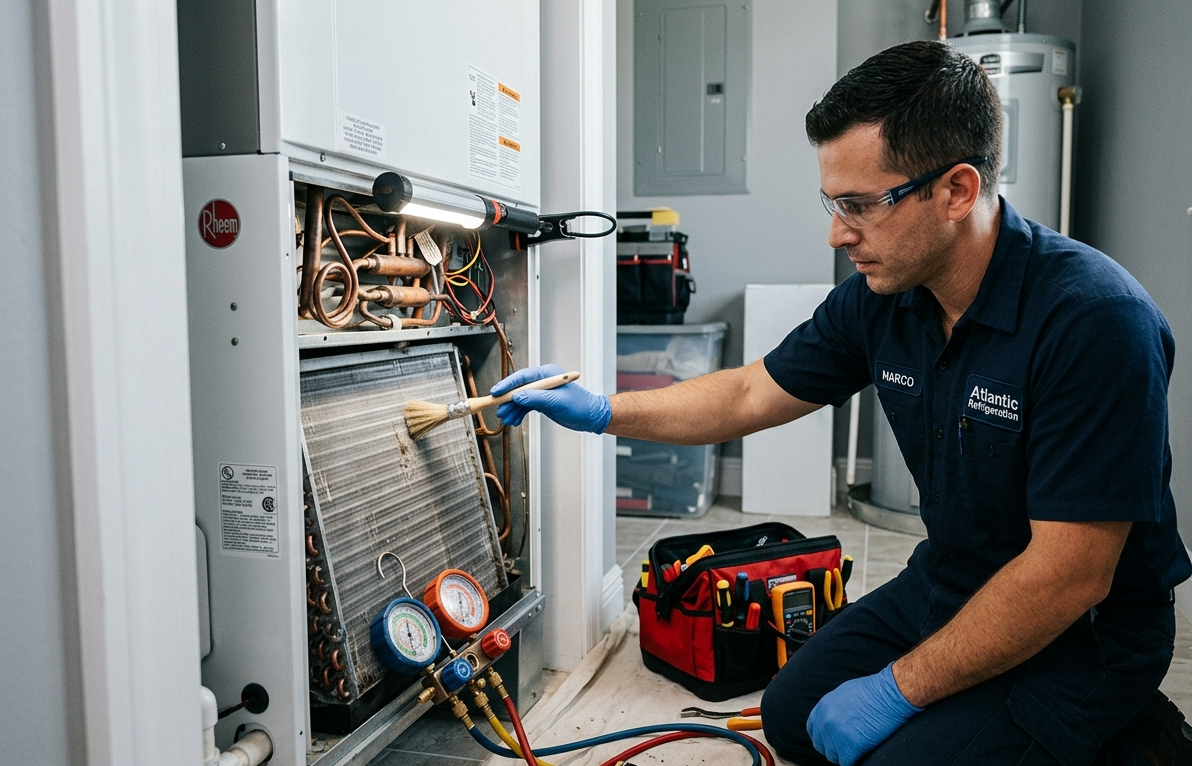
Most homeowners know they should check or change the air filter regularly, but few ever see the evaporator coil or blower wheel hidden behind sealed panels. Over time, dust, dander, and biological growth can build up on these surfaces, especially in humid climates where components stay damp for much of the cooling season. Even a thin layer of grime acts like an insulating blanket, making it harder for the coil to absorb heat and moisture from the air.
A quick tune-up may involve a visual glance inside the air handler or a cursory check of accessible surfaces, but it does not always include opening panels, inspecting the entire coil face, or examining the blower wheel blades. The system may still run and produce cool air, yet its capacity is gradually reduced. The air conditioner must stay on longer to reach set temperatures, and it struggles to remove humidity efficiently, which can make the home feel muggy even when the thermostat looks correct.
Cleaning these hidden components is more involved than swapping a filter. Addressing this category of AC issues often requires removing access panels, using specialized cleaners on the coil, and carefully cleaning the blower wheel without disturbing balance or causing damage. Once restored, the system typically delivers stronger airflow, cooler supply temperatures, and improved humidity control, all while using less energy for the same level of comfort.
5. Thermostat placement and control problems
Sometimes the source of nagging AC issues is not the equipment at all, but the thermostat acting as the system’s brain. If the thermostat sits in a poor location – on a sun‑heated wall, near kitchen appliances, in a drafty hallway, or close to a supply vent – it reads a temperature that does not match the main living areas. As a result, the system can shut off too early or run longer than necessary.
Quick tune-ups usually check that the thermostat turns the system on and off and perhaps confirm calibration against a nearby thermometer. What they often do not consider is whether the thermostat’s location is distorting the overall comfort picture. A sun‑exposed thermostat may think the home is several degrees warmer than it really is and keep the unit running excessively. A thermostat in a cool hallway may be satisfied long before bedrooms or living spaces reach a comfortable temperature.
Solving thermostat-related AC issues starts with evaluating whether the device is installed in a central, representative area away from unique heat or cold sources. Relocating the thermostat, upgrading to a modern programmable or smart model, and using advanced features like adaptive recovery can all help the system run only as much as needed. This type of improvement is relatively low‑cost but can deliver a noticeable boost in comfort and can trim unnecessary runtime.
6. Condensate drainage and hidden humidity risks
Air conditioning does more than drop air temperature; it removes large amounts of moisture from the air. That moisture condenses on the evaporator coil, drips into a drain pan, and flows out through a condensate drain line. In dark, damp conditions inside that line, algae, slime, and sediment slowly accumulate, narrowing the passage even while water still appears to drain.
Because quick tune-ups often concentrate on the mechanical and electrical aspects of the system, they may only check for obvious pan overflows or visible water around the air handler. A partially clogged condensate line can be missed for seasons. In the meantime, the restricted flow can reduce the unit’s ability to get rid of moisture efficiently, leaving the home feeling more humid. If the clog worsens, the pan can overflow and damage ceilings, flooring, or walls. Many modern systems include float switches that shut the unit down when water backs up, leading to sudden loss of cooling on a hot day.
Addressing these condensate-related AC issues requires a proactive approach: clearing the line with appropriate tools, cleaning the drain pan, and installing or verifying safety switches. Regular maintenance on this part of the system helps protect against surprise water damage and keeps humidity control at peak performance, especially in climates where moisture is a constant challenge.
7. Infiltration and building envelope leaks
Even the best-tuned air conditioner cannot overcome a house that constantly leaks hot, humid outdoor air. Gaps around doors and windows, unsealed plumbing and wiring penetrations, recessed lights, and poorly sealed attics all allow outside air to seep into living spaces. Each small leak increases the load on the AC, which now has to remove both extra heat and additional moisture.
Traditional tune-ups focus almost entirely on the equipment, not the building it serves. That means a major category of AC issues – infiltration and envelope leaks – remains untouched. The symptoms show up as drafts, hot or cold spots near exterior walls, a system that seems to “run nonstop” on very hot days, and recurring humidity problems or even condensation near windows and within wall assemblies. The unit might be blamed as “too small” or “weak,” when in reality it is fighting a constant stream of new heat and moisture entering the home.
Evaluating and improving the building envelope can include a home performance assessment, air sealing around key leakage points, and upgrading attic insulation to hold conditioned air longer. These upgrades reduce the burden on the air conditioner, shorten run times, and help the unit maintain steadier temperatures and humidity levels. When the building shell works together with the HVAC system, comfort improves while operating costs fall.
Turning invisible AC issues into visible savings
The gap between what a quick tune-up covers and what truly drives comfort, efficiency, and reliability is where most invisible
AC issues hide. Surface checks can confirm that the system powers on and passes basic safety thresholds, yet they rarely dig into duct integrity, airflow balance, internal cleanliness, thermostat strategy, drainage health, or the home’s envelope. Each of these deeper areas may look “fine enough” in the moment while silently eroding performance season after season.
Closing that gap means scheduling a more comprehensive inspection that views the AC system as a connected whole: equipment, ducts, controls, drainage, and the building itself. A detailed evaluation can prioritize which AC issues to correct first for the biggest impact on comfort and cost, whether that is sealing duct leaks, resolving short‑cycling from oversizing, restoring proper airflow, cleaning hidden components, relocating a thermostat, clearing condensate lines, or tightening the building shell. By going beyond quick tune-ups and addressing the unseen problems, homeowners can finally align what their AC is doing with what they expect it to deliver – cool, dry, reliable comfort at a reasonable operating cost.