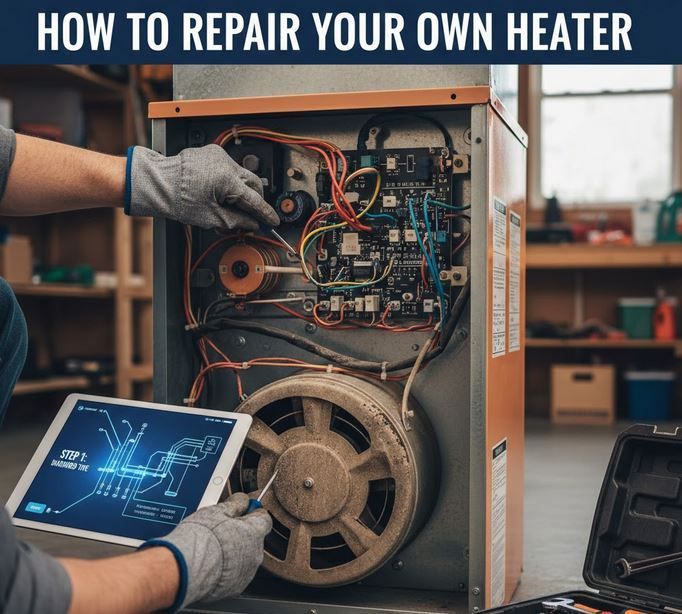
Knowing how to repair your own heater can save money, prevent emergency breakdowns, and keep your home comfortable during the coldest nights. However, safety must always come first, and some issues still require a professional. This guide walks through common furnace problems, basic DIY heater repairs, and clear signs that it is time to call an HVAC technician.
Safety first before any heater repair
Before touching your heater, make safety the top priority. Working around gas, electricity, and high temperatures can be dangerous if you skip basic precautions.
Always turn off power at the breaker and, for gas furnaces, shut off the gas valve before opening panels.
Never work in a poorly ventilated space if you smell gas—leave immediately and contact your gas company or fire department.
Understand your heater type
Different heaters require different repair approaches, so start by identifying what you have. Most homes use one of three common systems.
Gas furnaces burn natural gas or propane and use a heat exchanger and blower to distribute warm air.
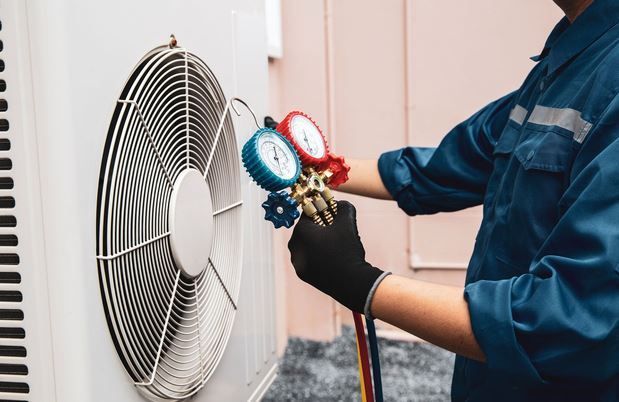
Electric furnaces and air handlers use electric heating elements, while heat pumps move heat rather than generate it, using a refrigerant system similar to an air conditioner.
Step 1: Check thermostat settings
Many “broken” heaters turn out to be simple thermostat issues. Before opening the furnace, confirm that your control settings make sense for heating mode.
Set the thermostat to “Heat,” choose “Auto” instead of “On,” and raise the temperature a few degrees above room level to trigger a call for heat.
If the display is blank or dim, replace the batteries (if it uses them) or reset the breaker that feeds the thermostat’s transformer.
Step 2: Inspect and replace the air filter
A clogged air filter restricts airflow, overheats the furnace, and can cause the system to cycle off before the air warms up. This is one of the easiest DIY heater repairs.
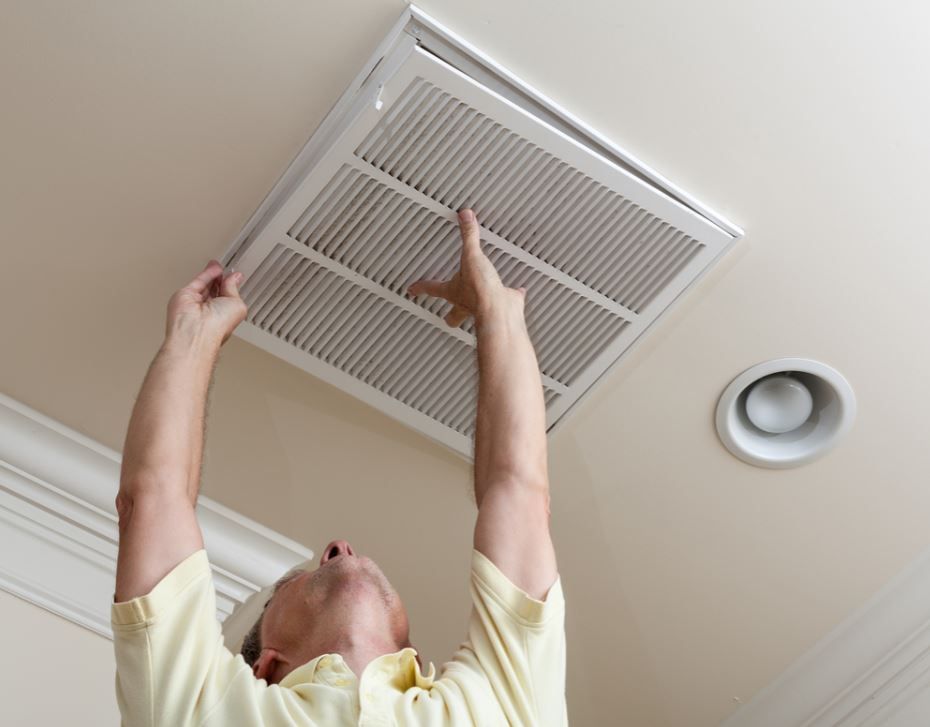
Slide out the filter from the return grille or furnace cabinet, then check for dust buildup, discoloration, or deformation.
Replace the filter with the same size and an appropriate MERV rating every 30–90 days during heating season to maintain strong airflow and hotter air at the vents.
Step 3: Verify power and reset switches
If your heater does not turn on at all, a tripped breaker or internal safety switch could be the cause. Restoring power is usually safe and straightforward.
Check your electrical panel for a tripped breaker labeled “Furnace,” “Air Handler,” or “HVAC,” then reset it fully to the “On” position.
Look for a furnace service switch (often on or near the cabinet) and the blower compartment door switch; a loose or open door can interrupt power to the heater.
Step 4: Check gas supply and pilot light (gas heaters)
For gas furnaces, lack of heat may come from a closed gas valve or a pilot/ignition problem. Some basic checks are homeowner‑friendly, while deeper repairs should be left to a pro.
Confirm the gas shut‑off valve near the furnace is parallel with the pipe (open), and make sure other gas appliances still work.
If your unit has a standing pilot light, use the manufacturer’s instructions on the access panel to relight it; if it will not stay lit, stop and contact a technician.
Step 5: Reset an electronic igniter or flame sensor
Modern heaters often use electronic igniters and flame sensors that can become dirty and cause the burners to shut down. Light cleaning is a common DIY heater repair if done carefully.
After power is off, remove the flame sensor (usually a small metal rod in front of the burner flame) and gently polish it with very fine sandpaper or a clean abrasive pad, then reinstall it.
If ignition still fails or you see repeated error codes on the control board, leave further troubleshooting to an HVAC professional to avoid damaging sensitive components.
Step 6: Clear supply and return vents
Poor airflow can make a heater seem weak even when the furnace is working correctly. Blocked vents and registers are a frequent comfort complaint and simple to fix yourself.
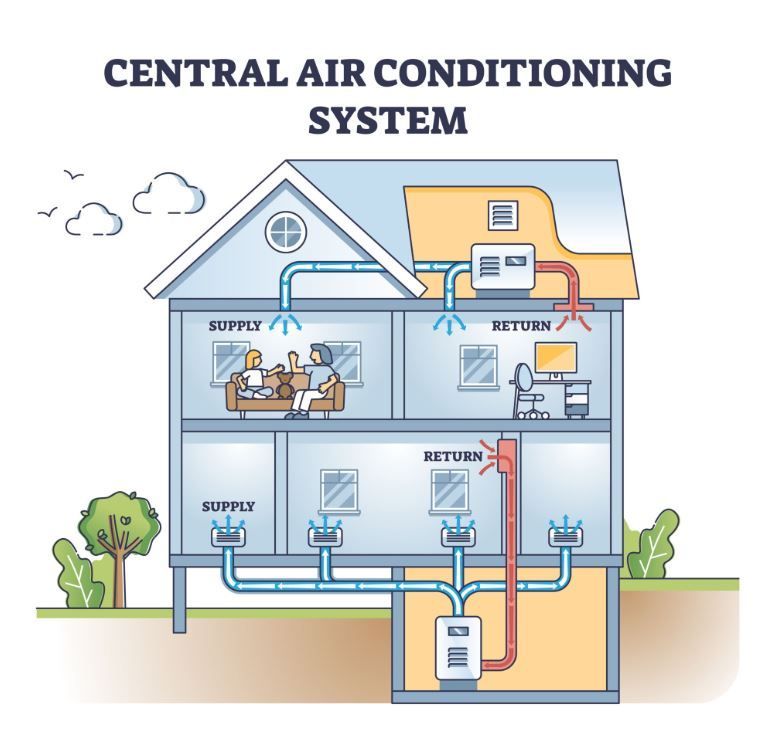
Walk through your home and ensure all supply vents and return grilles are open and not covered by furniture, rugs, or drapes.
Vacuum vent covers to remove dust and pet hair, improving circulation and helping every room feel evenly heated.
Step 7: Listen for unusual heater noises
Sounds can reveal a lot about heater problems and help you decide whether a DIY repair is realistic. Pay attention to when the noise happens during the heating cycle.
Rattling or vibrating often points to loose panels or screws, which you can tighten with a basic screwdriver.
Loud banging, screeching, or grinding can indicate serious issues like delayed ignition or a failing blower motor, which should be handled by a trained technician.
Step 8: Clean around the furnace and burner area
Dust and debris around your furnace can reduce efficiency and even pose a fire risk. Basic cleaning is safe as long as power and gas are off.
Gently vacuum around the base of the furnace, burner compartment (if accessible), and nearby floor area to remove dust buildup.
Keep storage items, chemicals, and flammable materials at least several feet away from the heater to maintain clear airflow and a safer work zone.
Step 9: Seal obvious duct leaks you can reach
Leaky ducts waste heat and make it seem like the heater is underperforming, especially in older homes. Some small leaks in exposed ductwork are within DIY range.
Inspect accessible ducts in basements, attics, and crawl spaces for gaps, disconnected joints, or visible air leaks.
Use foil‑backed HVAC tape or mastic sealant (never standard cloth duct tape) to seal seams, then consider adding insulation to bare metal ducts running through unconditioned spaces.
Step 10: Know when to call a professional
Even with a solid DIY approach, some heater repairs are unsafe or too complex for homeowners. Recognizing these limits protects both your family and your equipment.
Call a licensed HVAC technician if you smell gas, see scorch marks, suspect a cracked heat exchanger, repeatedly trip breakers, or face error codes you cannot clear.
Annual professional maintenance supports all your DIY efforts by checking combustion safety, verifying efficiency, and catching hidden problems early.
DIY heater repair and long‑term maintenance
Repairing your own heater starts with simple, low‑risk tasks: checking the thermostat, replacing filters, clearing vents, cleaning sensors, and inspecting power and gas supply. These steps solve many common heating issues and help your system run hotter and more efficiently. For deeper mechanical or gas‑related problems, partnering with an experienced HVAC company keeps your heater reliable, your indoor air safe, and your home comfortable through every cold snap.