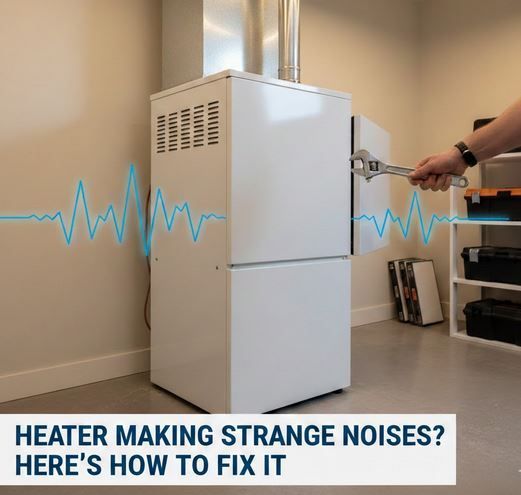
Heater making strange noises is more than just an annoyance—it can be an early warning sign that something in your system needs attention. From rattling and banging to screeching and humming, each sound points to a different possible issue. Understanding what those noises mean and what you can safely do about them can help you prevent bigger repairs, avoid breakdowns, and keep your home comfortable and safe.
Why your heater noise matters
When a heater is working properly, you might hear a gentle whoosh of air, a soft click at startup, or a low hum from the blower. Any sounds beyond that—loud banging, clanking, grinding, squealing, or persistent rattling—suggest that a part is loose, worn, dirty, or under stress. Ignoring these sounds can lead to higher energy bills, uneven heating, and in severe cases, safety risks like overheating or damage to major components. Listening closely to the type of noise, where it comes from, and when it happens (startup, running, or shutdown) gives you important clues about what’s going wrong.
Common heater noises and what they mean
Different noises usually point to different issues. While only a professional can diagnose with certainty, you can often narrow down the possibilities by matching the sound you hear to common causes.
1. Banging or booming noises
A loud bang, boom, or pop when the heater first kicks on can be startling. In gas furnaces, this may indicate delayed ignition—gas builds up in the combustion chamber for a few seconds and then ignites all at once, causing a mini “explosion” sound. This can be caused by dirty burners, misaligned burners, weak ignition, or incorrect gas pressure. Over time, repeated delayed ignition can stress the heat exchanger and other components.
Banging can also come from ductwork as it expands and contracts with temperature changes. Thin or poorly supported metal ducts can flex with a “bang” or “oil canning” sound when hot air rushes through them. While duct noise is usually less serious than burner problems, it can still indicate airflow issues or poor installation that should be corrected.
2. Rattling, vibrating, or clanking
A persistent rattling or vibrating noise often means something is loose. It could be a loose panel, screw, fan blade, or internal component vibrating when the blower runs. Sometimes, debris like small stones, screws, or even toys can end up in the ductwork or blower housing and rattle around as air moves.
Clanking, especially metal‑on‑metal sounds, can indicate that a blower wheel is out of balance, a fan blade is bent, or a part inside the furnace has come loose and is striking another surface. These issues can quickly lead to more serious damage if left uncorrected, as the vibration and impact put extra stress on bearings and motors.
3. Screeching or squealing
High‑pitched squealing, screeching, or whistling noises often point to moving parts that are dry, worn, or under strain. In older furnaces with belt‑driven blowers, a loose or worn belt can squeal as it slips on the motor pulley. In newer direct‑drive systems, worn bearings in the blower motor or other rotating parts can produce a screeching sound.
Some squealing can also come from air moving through very narrow openings—partially closed dampers or vents, poorly fitting filters, or constricted duct sections can create a loud whistle or squeal as air is forced through. If the sound seems to be coming from a particular vent rather than the furnace, duct or vent restrictions may be the culprit.
4. Grinding or scraping
Grinding or metal‑on‑metal scraping is one of the more serious sounds a heater can make. It often means that the blower wheel is rubbing against the housing, either because it has come loose on its shaft, its bearings have failed, or the wheel itself is damaged. This noise is a clear warning that continuing to run the system could cause major damage.
Grinding can also come from failing motor bearings. As lubrication breaks down and parts wear, they can create a harsh grinding sound whenever the motor runs. These issues rarely fix themselves; they usually get worse with time, and the safest course is to shut the system down and have it inspected.
5. Humming, buzzing, or electrical sounds
A low humming sound can be normal—many heaters produce a gentle hum when the blower or transformer is running. However, loud humming or buzzing can indicate an electrical problem, such as a failing motor, a struggling capacitor, or a transformer under stress. Buzzing near the furnace’s control board or wiring should always be taken seriously.
Clicking at startup and shutdown is often normal as relays and ignition sequences operate, but constant rapid clicking may mean the system is repeatedly trying to start and failing. That can be related to ignition issues, safety switches, or thermostat problems.
6. Rumbling or roaring
A low rumbling that continues after the burner shuts off can indicate incomplete combustion or residual flames in the combustion chamber. In gas systems, this can sometimes be linked to burner issues, incorrect fuel‑air mix, or venting problems. A constant roaring noise could also indicate excessive airflow or a blower set too high for the duct system, leading to noise, drafts, and discomfort.
Rumbling in the flue or venting system can sometimes signal blockages, poor draft, or issues with exhaust gas movement—conditions that can be unsafe. Any unusual rumbling tied to combustion should be addressed quickly by a professional.
Safe DIY checks you can do
While some heater noises require expert attention, there are a number of simple, safe steps you can take as a homeowner to reduce noise and rule out basic issues. Always put safety first: if you smell gas, see sparks, or suspect an electrical problem, shut off the system and call a professional immediately.
1. Check and secure panels and screws
Turn off power to the unit using the switch near the furnace or at the breaker panel. Once the system is off, gently check access panels and doors on the furnace cabinet. If they are loose, misaligned, or rattling, adjust them and tighten the screws. Loose panels are a very common source of rattling and vibration noises.
Look around the unit for any obvious loose brackets, metal ducts that are banging against framing, or support straps that have slipped. Tightening or cushioning these connection points can significantly cut down on noise.
2. Replace or reseat the air filter
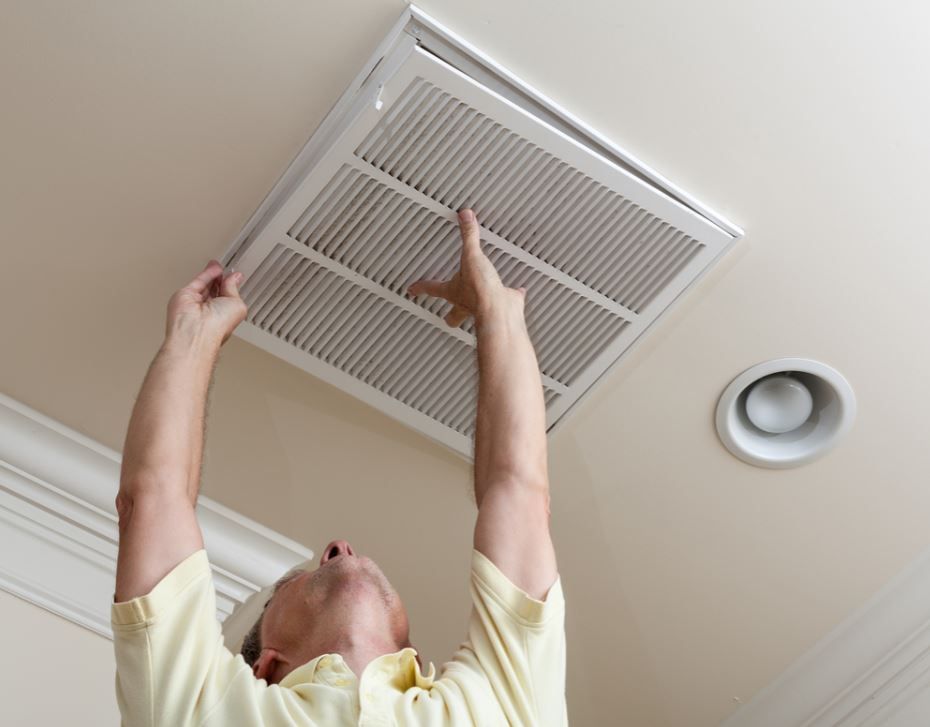
A filter that is the wrong size or not seated properly can whistle or vibrate as air passes around it. Remove the filter, check that it is the correct dimension, and ensure it slides into its slot snugly with no gaps. If it looks dirty or clogged, replace it. A clean, properly fitted filter supports smooth airflow and helps reduce both noise and stress on the system.
3. Clear and open vents and returns
Walk through your home and make sure supply vents and return grilles are open and unobstructed. Move furniture, curtains, and rugs away from vents so air can flow freely. When vents are blocked or partially closed, air speeds up through the remaining openings, which can create whistling or hissing noises and contribute to duct banging.
4. Inspect visible ductwork
In accessible areas like basements, garages, or attics, look for duct sections that have sagged, twisted, or disconnected. A loose section can rattle loudly when air flows through. You may also see areas where thin metal ducts flex in and out with a “pop” when the system starts or stops. While major duct repairs should be handled by professionals, you can gently support sagging runs, remove obvious debris, and make note of problem areas to discuss with your technician.
5. Listen for where and when the noise happens
Pay attention to when the noise occurs—at startup, while running steadily, or during shutdown—and where it seems loudest. For example, a boom when the furnace ignites points to combustion, while constant rattling near a particular vent may be a duct issue in that area. The more clearly you can describe the sound and its timing, the easier it is for a technician to diagnose the problem quickly.
Problems that should be left to professionals
Not every noise is a DIY project. Some issues are directly tied to combustion, electrical safety, or critical mechanical parts.
You should call a licensed HVAC professional if:
You hear loud banging or booming from the furnace cabinet, especially at startup.
You notice grinding, scraping, or harsh metal‑on‑metal sounds.
Squealing or screeching continues even after checking filters, vents, and panels.
There is a strong burning smell, smoke, or any odor of gas.
The heater repeatedly starts and stops with clicking or buzzing noises.
A professional technician can inspect and repair:
Dirty or misaligned burners causing delayed ignition.
Worn or failing blower motors and bearings.
Loose or damaged blower wheels and fan blades.
Failing capacitors, contactors, and electrical components.
Duct design issues contributing to noise and airflow problems.
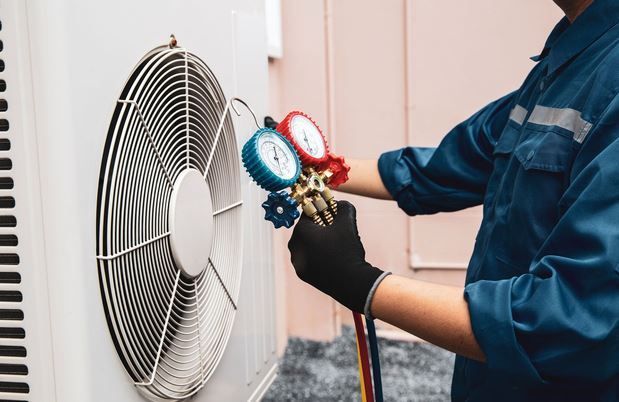
Trying to lubricate sealed bearings, adjust gas pressure, clean burners, or work on electrical parts without proper training can be dangerous and may void warranties. Professional maintenance keeps your heater quiet, efficient, and safe.
Preventing heater noises with regular maintenance
Many annoying and dangerous noises can be prevented with routine maintenance. A yearly professional tune‑up before the heating season helps keep all moving parts clean, lubricated, and properly adjusted. During a tune‑up, a technician typically:
Cleans burners and checks ignition to prevent misfires and booming.
Inspects and tightens electrical connections to reduce buzzing and humming.
Checks blower motor operation and bearings for early signs of wear.
Inspects the blower wheel and housing for debris, damage, or imbalance.
Examines ducts, vents, and airflow for restrictions or high static pressure.
As a homeowner, you can support quiet operation by:
Changing filters regularly.
Keeping vents and returns clear.
Watching and listening for early changes in system sound or performance.
Addressing small noises early on is almost always cheaper and easier than waiting until a breakdown forces emergency repairs.
Final thoughts
A heater making strange noises is telling you something is wrong—whether it is a simple loose panel or a more serious mechanical or combustion issue. By recognizing the different types of sounds, performing a few safe checks, and bringing in a professional when needed, you can protect your equipment, avoid surprise breakdowns, and keep your home warm and peaceful. If your heater is banging, rattling, squealing, or grinding, don’t ignore it; treat the noise as a helpful warning and act before a minor issue becomes a major repair.