When the summer heat rolls in, your home’s air conditioning system becomes your most important line of defense against discomfort. However, like any mechanical system, an air conditioner has a limited lifespan. As an AC unit ages, it loses efficiency, requires more frequent repairs, and struggles to keep up with the demands of a hot humid day.
If you find yourself constantly adjusting the thermostat or paying higher monthly energy bills, you might be wondering whether you should repair your current unit or invest in a brand-new system. This guide will help you understand the core signs that point toward replacement and why upgrading your system can save you money and stress in the long run.
1. Your Air Conditioner Is More Than 10–15 Years Old
The average lifespan of a well-maintained central air conditioning system is roughly 10 to 15 years. Even if your older unit seems to be running fine, it is operating at a much lower efficiency than modern systems. Over the past decade, HVAC technology has advanced significantly. Newer models use far less energy to produce the same amount of cooling, meaning an upgrade can instantly lower your monthly utility costs. If your system is approaching or has passed the decade mark, it is wise to start planning for the future rather than waiting for an unexpected breakdown.
2. Frequent and Increasingly Expensive Repairs
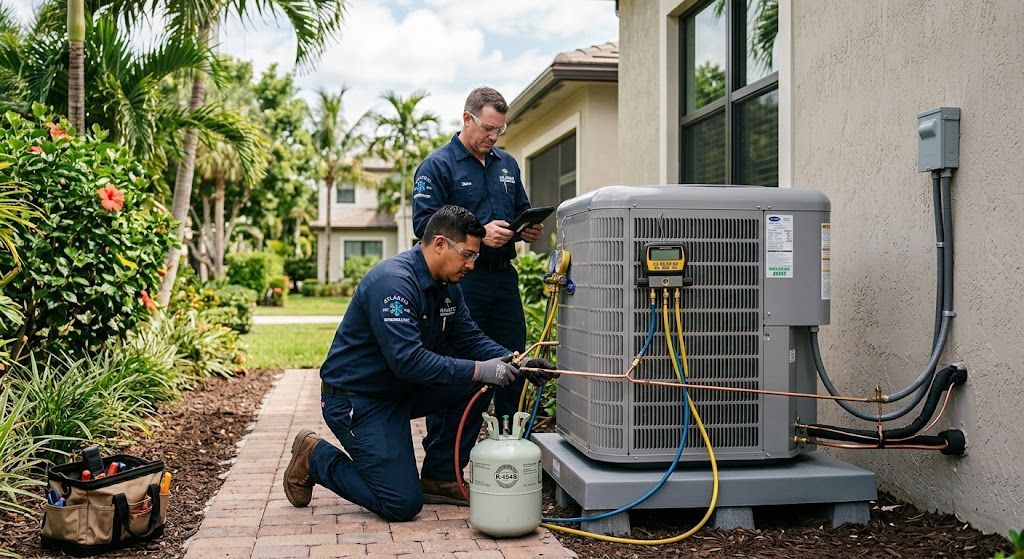
Are you on a first-name basis with your local HVAC technician? An occasional tune-up or minor repair is normal, but when your air conditioner breaks down multiple times a season, the costs add up quickly. A good rule of thumb is the "5,000 Rule": multiply the age of your equipment by the cost of the repair. If the total exceeds $5,000, replacing the system is generally the smarter financial decision. Investing a significant amount of money into an aging unit that is likely to break down again soon is often a case of throwing good money after bad.
3. Skyrocketing Energy Bills
Have you noticed your electricity bills creeping up summer after summer, even though your usage habits haven't changed? As internal components wear down, the motor and compressor have to work twice as hard to cool your living spaces. This extra strain draws more power from your electrical grid. Modern air conditioners carry much higher SEER2 (Seasonal Energy Efficiency Ratio) ratings than models manufactured ten years ago. Upgrading to a high-efficiency system ensures that you get maximum cooling output for every dollar spent on utilities.
4. Inconsistent Temperatures and Poor Humidity Control
An air conditioner's job isn’t just to lower the temperature; it is also designed to manage indoor humidity levels. If certain rooms in your home feel like an oven while others feel like an icebox, your system is struggling to distribute air evenly. Similarly, if your home feels sticky, humid, or drafty, the compressor may no longer be strong enough to cycle air properly. A new, correctly sized AC system will restore balance to your indoor climate, providing uniform cooling and crisp, dry air throughout your entire home.
5. Excessive Noise and Strange Odors
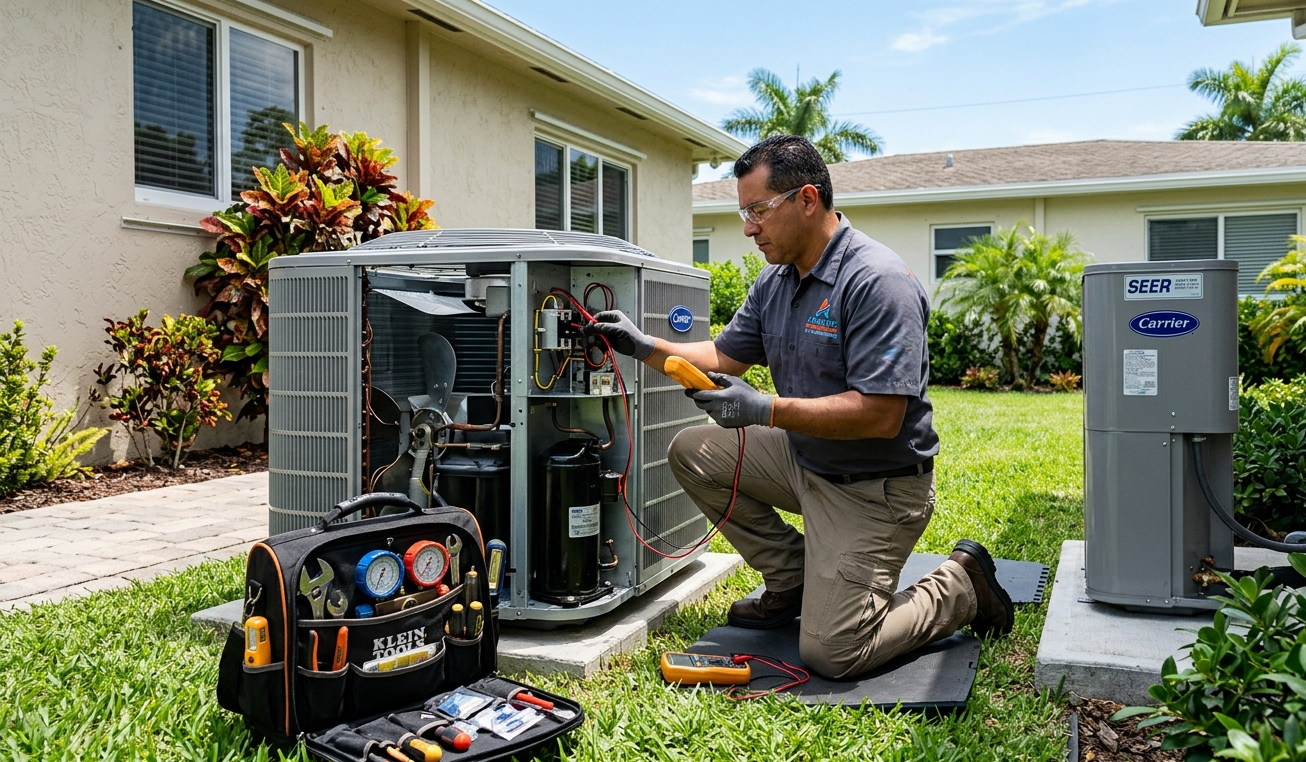
While no air conditioner runs completely silently, a system in good health should operate with a predictable, low-level hum. If you start hearing loud banging, squealing, rattling, or grinding noises coming from your indoor or outdoor unit, it indicates that internal components are loose, broken, or failing. Additionally, musty or burning smells coming from your vents can point to electrical issues or mold growth within the ductwork and coil assembly. These warning signs should never be ignored, as they can lead to complete system failure or even safety hazards.
The Financial Benefits of Upgrading Early
Many homeowners delay replacing their AC because of the upfront cost. However, continuing to operate an inefficient, dying system is often more expensive in the long run. Beyond the immediate drop in your monthly energy bills, a new air conditioning installation brings invaluable peace of mind. Modern systems come with comprehensive manufacturer warranties that protect you from unexpected repair costs for years to come. Furthermore, upgrading your HVAC system increases your property value and makes your home much more attractive to potential buyers if you ever decide to sell.
Choosing the Right Partner for the Job
When you decide that it is time to move forward, choosing the right team for the installation is just as important as choosing the right unit. A poorly installed air conditioner will underperform, break down prematurely, and void its manufacturer warranty. You need experienced technicians who can accurately calculate the cooling load of your specific home layout to recommend the perfect size and model.
If your current system is struggling to keep your home comfortable, it is time to explore your options. You can schedule a professional consultation and learn more about your options for dependable
AC replacement to ensure your household stays perfectly cool all summer long. Don't wait for a complete system breakdown during the hottest week of the year—take control of your home comfort today.