When summer temperatures soar, a fully functioning air conditioning system isn't just a matter of luxury—it is an absolute necessity for your health, comfort, and peace of mind. Unfortunately, many homeowners and business owners take their cooling systems for granted until the indoor air turns stiflingly hot.
When your cooling system fails, understanding the mechanics of your unit, recognizing the warning signs of a malfunction, and knowing who to trust for fast, high-quality solutions can save you time, stress, and money.
Understanding How Your Air Conditioner Works
Before diving into common issues, it helps to understand what happens inside your HVAC system. An air conditioner doesn’t actually "create" cold air; rather, it removes heat and humidity from inside your home and transfers it outdoors.
This process relies on a complex, closed-loop refrigeration cycle involving several critical components:
- The Thermostat: The brain of the system that senses indoor temperature and signals the AC to turn on or off.
- The Compressor: Located in the outdoor unit, it pumps and compresses the refrigerant, raising its temperature and pressure.
- The Condenser Coil: Also outdoors, this coil dissipates the heat collected from inside your home into the outside air.
- The Evaporator Coil: Located indoors (often near your furnace or air handler), this coil absorbs heat and moisture from your indoor air as liquid refrigerant evaporates into a gas.
- The Expansion Valve: Regulates the flow of refrigerant into the evaporator coil.
- The Blower Motor and Fan: Circulates air across the indoor coil to distribute cooled air throughout your ductwork.
If any single link in this mechanical chain breaks down, your entire system will struggle or fail completely.
5 Warning Signs You Need Emergency AC Repair
Air conditioners rarely fail without warning. Most major breakdowns are preceded by smaller, subtle signs that something is wrong. By catching these red flags early, you can schedule a routine fix before it spirals into an expensive emergency replacement.
1. Weak Airflow or Warm Air
If your vents are blowing weak air, or worse, blowing warm air while the thermostat is set to "cool," your system is in trouble. This can be caused by a failed compressor, depleted refrigerant levels, a clogged air filter, or issues within your ductwork.
2. Strange and Unusual Noises
While all AC units make a soft humming sound when starting up and shutting down, loud or sudden noises are a cause for concern.
- Squealing or screeching: Often indicates a slipped or frayed blower belt or failing motor bearings.
- Grinding or clanking: Suggests that a loose mechanical part is rattling around inside the housing.
- Clicking: If you hear rapid clicking but the unit won't turn on, you likely have an electrical issue, such as a faulty relay or capacitor.
3. Frequent Cycling
A typical cooling cycle lasts anywhere from 15 to 20 minutes until the desired temperature is reached. If your system turns on and off every few minutes (a phenomenon known as short-cycling), it is experiencing severe internal stress. Short-cycling can be caused by an oversized unit, frozen coils, or low refrigerant, and it will drastically spike your energy bills while shortening your system's lifespan.
4. Foul Odors
Your air conditioning should emit clean, odorless air. If you smell a musty or smoky odor, take immediate action:
- Musty odors: Point to mold or mildew growth inside your evaporator coil or deep within your ductwork, often caused by stagnant condensation.
- Burning odors: Indicate overheating wires or a burning motor insulation, which poses a serious electrical fire hazard.
5. High Indoor Humidity
Air conditioners are designed to naturally dehumidify your indoor air as they cool it. If your home feels sticky, clammy, or humid despite the AC running, your unit is failing to manage moisture levels effectively. This can lead to toxic mold growth and poor indoor air quality.
The Hazards of DIY Air Conditioning Repair
In an era of online video tutorials, it can be tempting to try and fix an AC issue yourself. However, HVAC systems are highly complex machines that combine high-voltage electricity, delicate electronic control boards, and specialized chemical refrigerants.
Attempting DIY repairs often results in several major pitfalls:
- Safety Risks: Working around high-voltage capacitors and electrical components carries a significant risk of severe electrical shock.
- Voided Warranties: Most manufacturer warranties explicitly state that any repair or installation must be performed by a licensed, certified professional. Turning a wrench yourself could instantly void your coverage.
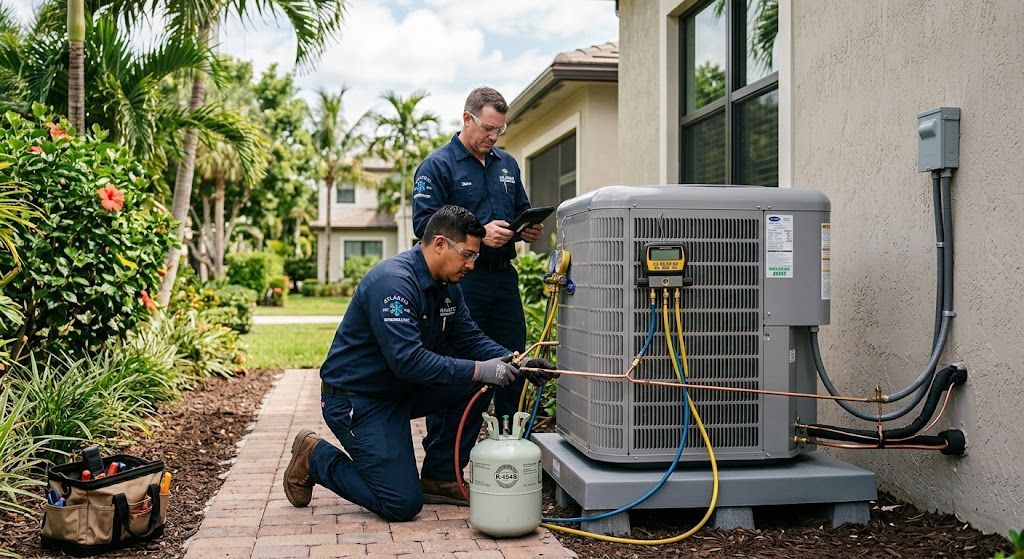
- Environmental Regulations: Refrigerants (such as R-410A) are hazardous substances heavily regulated by the EPA. It is illegal for an unlicensed individual to handle, purchase, or vent refrigerant into the atmosphere.
- Aggravated Damage: A minor mistake—like overcharging refrigerant or miswiring a contactor—can permanently destroy your compressor, turning a simple $200 repair into a $4,000 system replacement.
What to Expect From a Professional AC Repair Service
When you call a trusted, licensed HVAC technician, they follow a systematic diagnostic process to restore your home comfort safely and efficiently. A standard, comprehensive repair visit generally includes:
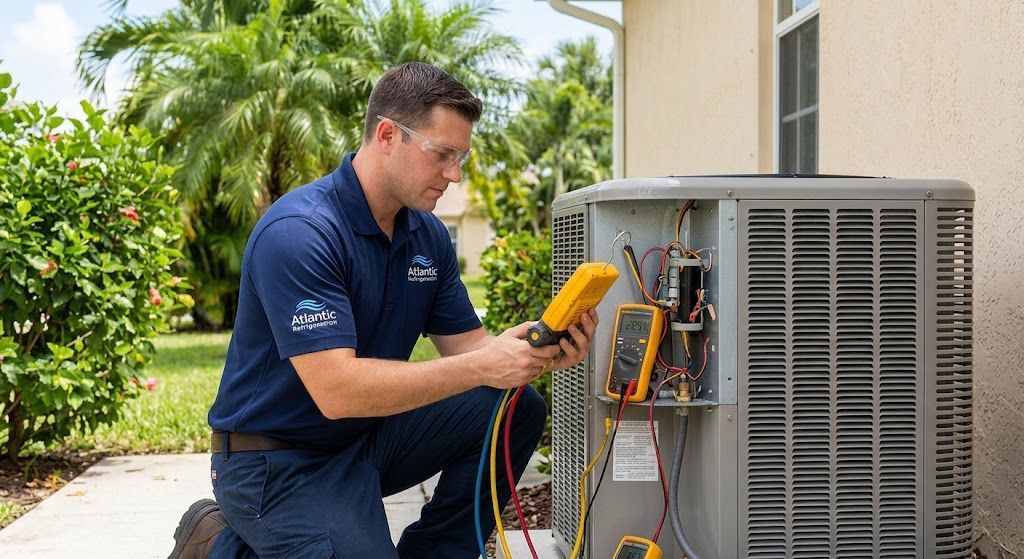
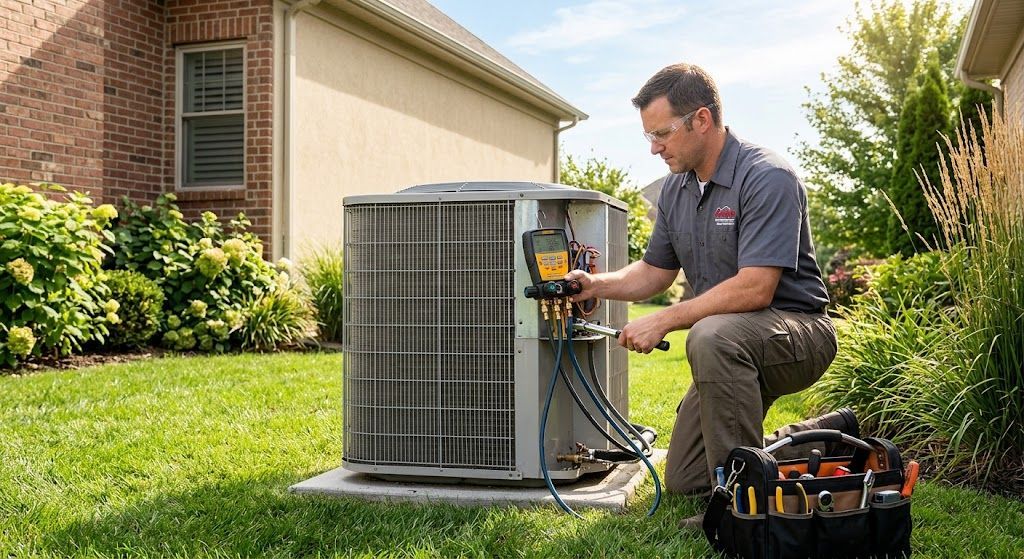
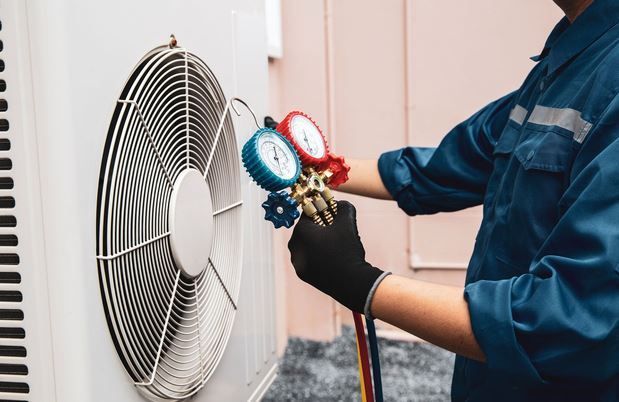
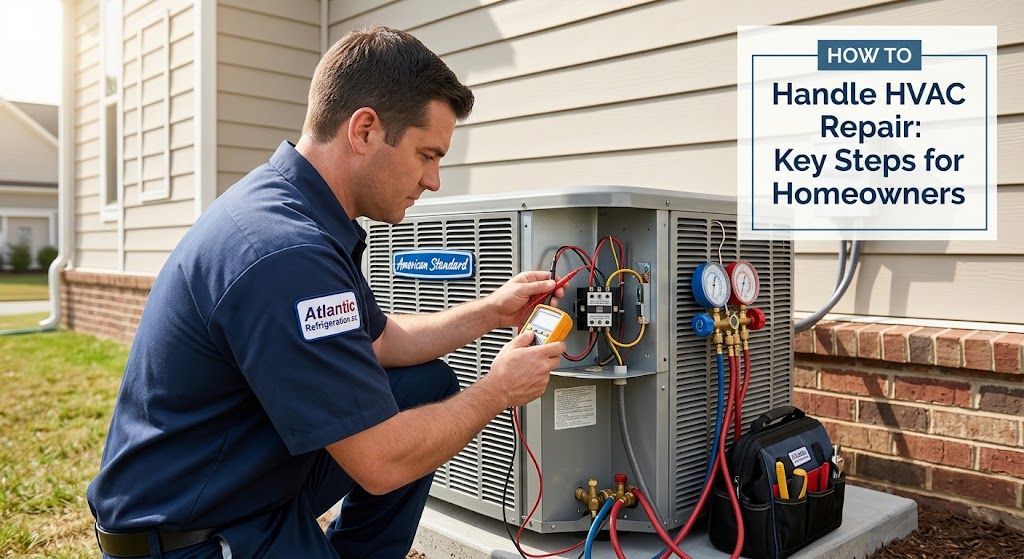
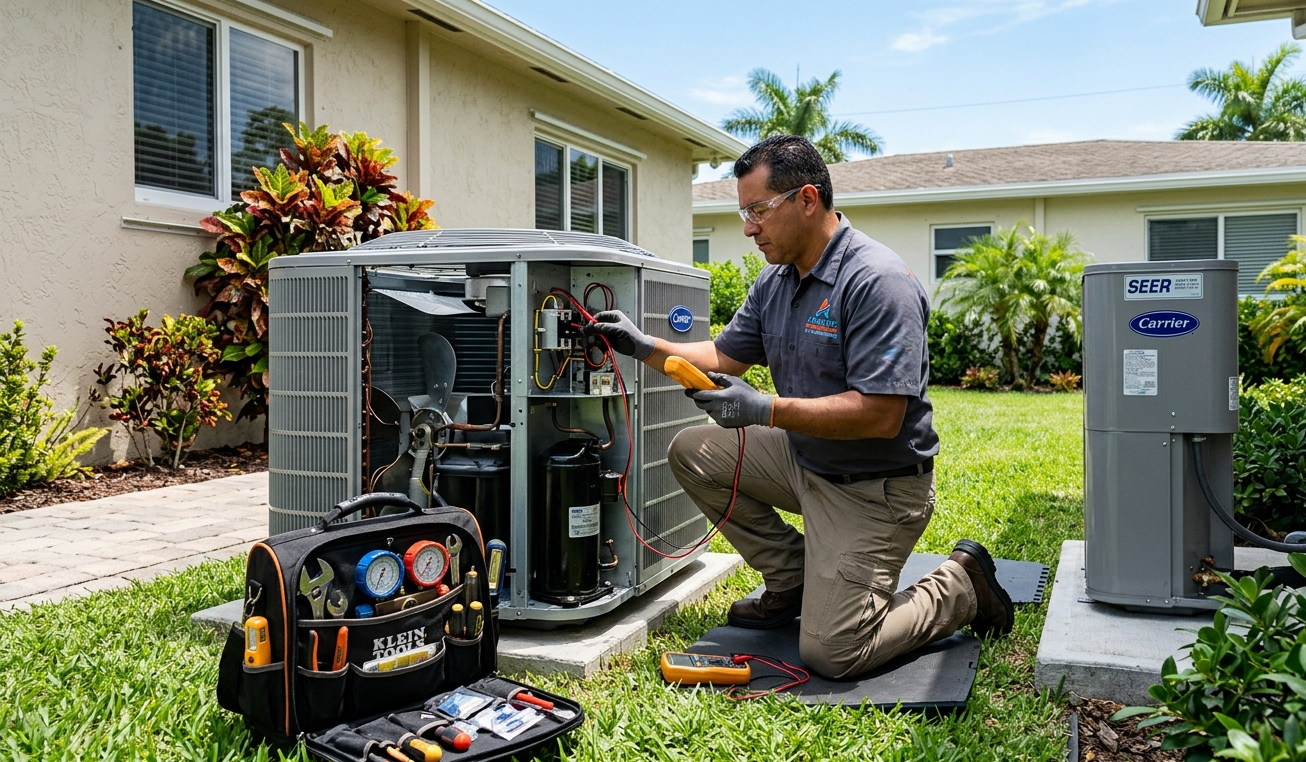
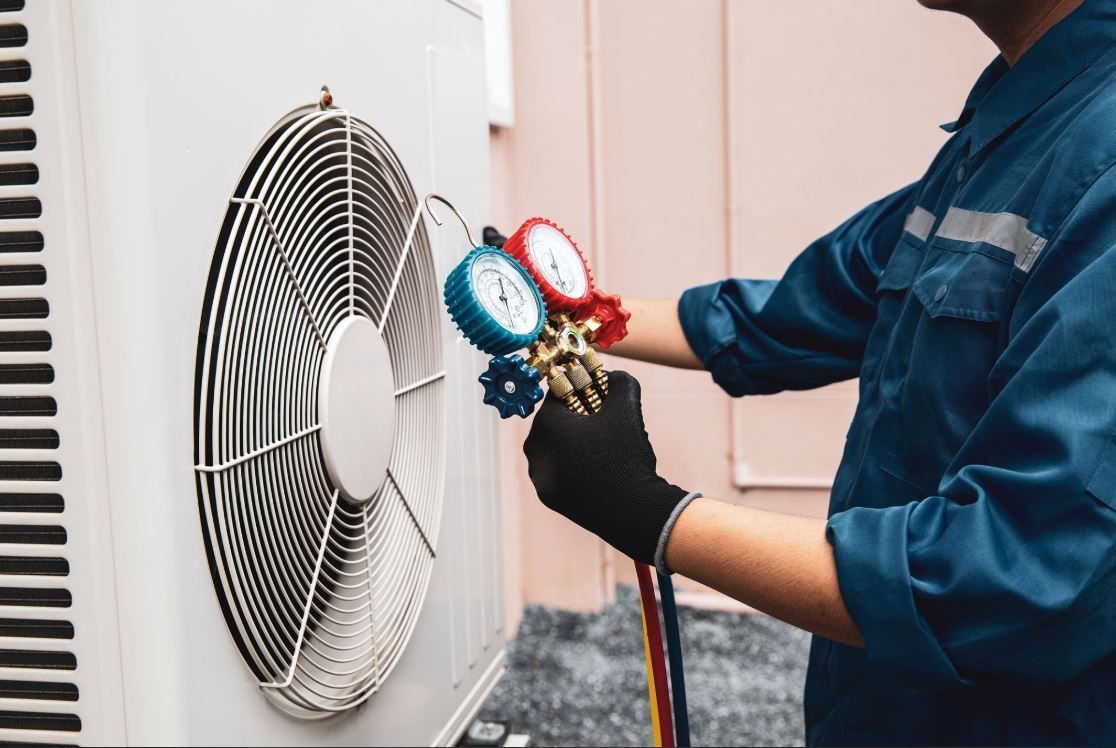
- System Diagnosis: Utilizing advanced electrical meters, pressure gauges, and leak detectors, the technician isolates the exact root cause of the system failure.
- Safety Inspections: The technician checks all electrical connections, verifies that safety switches operate correctly, and ensures there are no hazardous refrigerant or carbon monoxide leaks.
- Component Cleaning: Debris, dust, and grime are cleaned from vital areas like the condenser and evaporator coils to restore proper heat transfer.
- Transparent Pricing: A reputable contractor will provide a clear, upfront estimate detailing the required parts and labor before any repair work begins.
- Post-Repair Testing: Once fixed, the system is monitored through a full cooling cycle to ensure proper airflow, correct system pressures, and accurate thermostat calibration.
The Long-Term Benefits of Regular Preventative Maintenance
The best way to handle an AC repair is to prevent it from happening in the first place. Enrolling in a preventative maintenance plan offers immense long-term returns on your investment:
- Lower Energy Costs: Clean coils and well-lubricated motors allow your system to run efficiently, consuming significantly less electricity.
- Extended Equipment Lifespan: Regular tune-ups reduce the friction and stress on internal components, helping your air conditioner last up to 15–20 years.
- Fewer Breakdowns: Catching a worn belt or a weak capacitor during a spring tune-up prevents an inconvenient system breakdown on the hottest day of July.
Partner with the Cooling Experts
When your home's cooling system starts acting up, you don't have to suffer through the heat. Timely, professional intervention preserves your equipment, protects your indoor air quality, and keeps your family safe. For fast, reliable diagnostics and long-lasting solutions from certified technicians, turn to the experts who prioritize your indoor comfort. Book your appointment today with a trusted provider for professional
AC repair to keep your home cool and efficient all summer long.