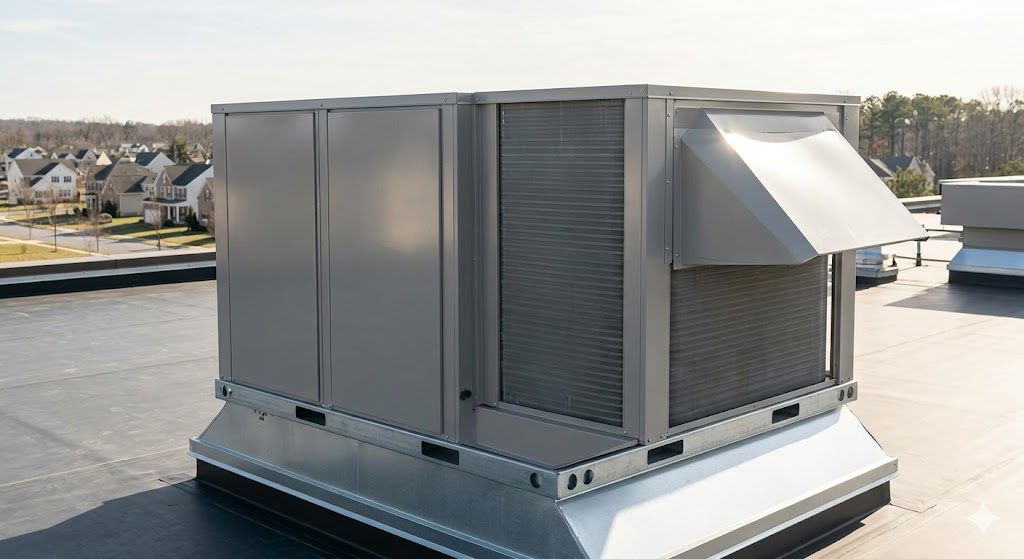
Commercial Refrigeration Repair Services in West Palm Beach, FL

Atlantic Refrigeration • November 13, 2025

Commercial Refrigeration Repair Services in West Palm Beach, FL

Atlantic Refrigeration delivers professional commercial refrigeration repair services throughout West Palm Beach, FL, helping restaurants and businesses maintain optimal cooling performance year-round.

How do commercial refrigeration systems fail?

Commercial refrigeration failures typically occur due to compressor issues, refrigerant leaks, electrical problems, or worn components from heavy daily use.

Your restaurant or business depends on reliable cooling equipment to preserve food safety and maintain operations. When walk-in coolers, reach-in freezers, or display cases malfunction, product loss can happen quickly in Florida's warm climate.

Common warning signs include unusual noises, temperature fluctuations, excessive frost buildup, or higher energy bills. These symptoms often indicate underlying mechanical problems that require immediate professional attention.

What causes refrigeration breakdowns in restaurants?

Restaurant refrigeration breakdowns stem from overloading, poor maintenance, dirty condenser coils, door seal failures, and Florida's high ambient temperatures stressing equipment.

Heavy usage in commercial kitchens puts tremendous strain on refrigeration components. Constant door openings, varying load sizes, and kitchen heat create challenging operating conditions that accelerate wear patterns.

Preventive maintenance helps identify potential issues before they become costly emergencies. Commercial refrigeration services in West Palm Beach, FL include regular inspections and component replacements to minimize unexpected downtime.

Which refrigeration repairs require immediate attention?

Refrigerant leaks, compressor failures, complete cooling loss, and electrical malfunctions demand immediate repair to prevent food spoilage and safety violations.

Temperature control problems can compromise food safety standards and result in health department violations. When your cooling equipment cannot maintain proper temperatures, swift action protects your inventory and business reputation.

Professional technicians can diagnose complex issues and restore proper operation using specialized tools and replacement parts. Emergency repair services in West Palm Beach, FL help minimize business disruption during critical situations.

How does West Palm Beach weather affect commercial cooling?

West Palm Beach's tropical climate and high humidity levels force commercial refrigeration systems to work harder, increasing energy consumption and component stress throughout the year.

Coastal moisture and salt air can accelerate corrosion on outdoor condensing units and electrical connections. Regular cleaning and maintenance become essential to combat these environmental factors.

Summer temperatures regularly exceed 90 degrees, making heat rejection more difficult for refrigeration equipment. This increased workload can lead to more frequent service needs during peak season months.

Atlantic Refrigeration understands the unique challenges facing commercial cooling systems in South Florida's demanding climate. Our experienced technicians provide reliable repair services to keep your business running smoothly. Schedule your service consultation by calling 561-246-6013 today.

Recent Posts

By Corey Creekmore December 24, 2025
Debunk common AC filter replacement myths, protect your system, and improve indoor air quality while cutting energy bills in humid homes with simple steps.
By Atlantic Refrigeration December 18, 2025
Professional walk-in cooler installation services in Boca Raton, FL. Atlantic Refrigeration ensures proper setup for restaurants and commercial food storage needs.
AC Unit
By Corey Creekmore December 16, 2025
Discover 7 hidden AC issues a quick tune-up will never catch, why they quietly drive up bills, and how to truly fix AC issues before they get costly.
thermostat
By Corey Creekmore December 11, 2025
Find the best thermostat settings for South Florida homes year-round. Balance comfort, humidity control, and lower energy bills with simple, smart temperature tips.
By Corey Creekmore December 4, 2025
If your Florida home feels warm, sticky, or unevenly cooled even though your AC “runs all the time,” there is a good chance your system has hidden problems quietly draining energy and comfort. These issues don’t always cause an obvious breakdown, but they can add up to higher power bills, shorter equipment life, and rooms that never feel quite right. In a hot, humid climate like Florida’s, tracking down and fixing these “silent energy wasters” is one of the fastest ways to improve comfort and control costs. Below is a homeowner-friendly guide to seven of the most common hidden AC problems in Florida homes, what to look for, and how a professional inspection can help you stop wasting money without sacrificing comfort. 1. Leaky, Poorly Insulated Ductwork One of the biggest hidden energy leaks in Florida homes is the ductwork you never see. In many houses, supply and return ducts run through hot attics or tight chases where gaps, loose connections, and failing tape can quietly leak away a large portion of your cooled air. Even small leaks add up when your AC runs almost year-round. When conditioned air escapes into the attic, the system must run longer to reach the thermostat setting, which drives up electric bills and puts extra wear on the compressor and blower motor. At the same time, return leaks can pull in hot, humid attic air, making the system work harder and leaving rooms muggy and uncomfortable. Common signs of duct problems include rooms that never quite reach the set temperature, weak airflow from certain vents, and dust streaks around duct joints or registers. A professional HVAC technician can test for duct leakage, re-seal joints with mastic rather than tape, and recommend better insulation for ducts in unconditioned spaces. Properly sealed and insulated ducts increase delivered airflow, improve comfort in farthest rooms, and can translate into noticeable energy savings over the course of a long Florida cooling season. 2. Oversized Systems That Short-Cycle Many Florida homes have AC systems that are too large for the actual cooling load of the house. Oversizing may sound like a good idea—more capacity means more cooling, right?—but in practice, a system that is “too big” can be one of the most uncomfortable and inefficient setups you can have. An oversized AC unit tends to short-cycle, meaning it turns on, drops the temperature quickly near the thermostat, and then shuts off before it can fully dehumidify the air in the home. You end up with rooms that feel cold and clammy rather than cool and dry. Short cycling also causes more frequent starts and stops, which are the most stressful moments for the compressor and electrical components. Over time, that extra stress can shorten system life and increase the odds of breakdowns during peak heat. If your system rarely runs for more than a few minutes at a time, if your home feels sticky even when the thermostat number looks fine, or if you suffer from big temperature swings, an AC that is too large may be part of the problem. A qualified contractor can perform a proper load calculation instead of guessing based on square footage alone, then recommend right-sized equipment, staging options, or variable-speed systems that provide longer, gentler cycles that better control humidity and reduce energy waste. 3. Hidden Airflow Restrictions in Returns and Vents Your air conditioner is only as good as the airflow moving through it. Even if the equipment is in perfect mechanical condition, hidden restrictions in return air paths and supply vents can quietly rob your system of performance. Common trouble spots include undersized return grilles, blocked returns behind furniture, closed doors that prevent air from circulating, and supply vents covered by rugs, curtains, or large pieces of furniture. When the system cannot pull enough air across the evaporator coil, coil temperature can drop too low, encouraging icing and reducing the system’s ability to remove heat and humidity from the air. Restricted airflow also increases static pressure in the duct system, forcing the blower motor to work harder for less result. That extra strain can show up as higher energy use, noisy operation, and uneven temperatures from room to room. Homeowners can start by making sure every return grille is unobstructed and that supply vents are fully open and not covered or blocked. In some homes, additional or larger returns may be needed to relieve airflow bottlenecks. During a professional assessment, a technician can measure static pressure, check duct sizes, and identify where the system is “choking,” then propose changes that improve airflow, efficiency, and overall comfort throughout your Florida home. 4. Dirty Coils and Hidden Indoor Contamination Most homeowners know to check or change the air filter, but many never think about what’s happening deeper inside the indoor unit. Over time, dust, dander, and biological growth can accumulate on the evaporator coil and blower wheel, especially in a humid climate where moisture is present on these components for much of the cooling season. That thin, grimy layer acts like insulation, making it harder for the coil to absorb heat and moisture from the air. A dirty coil leads to several problems at once: reduced cooling capacity, higher energy use, poor dehumidification, and increased risk of icing on the refrigerant lines. The blower wheel can also become caked with debris, reducing its ability to move air and creating balance issues that cause noise and extra wear on the motor. Even if the filter is replaced regularly, a system that has gone years without professional cleaning may be laboring under this hidden buildup. Because the evaporator coil and blower are sealed behind panels, these areas are not easily visible to homeowners. A comprehensive maintenance visit includes opening the air handler, inspecting internal components, and cleaning coils and blower assemblies with appropriate tools and cleaners. That internal cleaning can restore lost capacity, improve indoor air quality, and help your AC run more efficiently and quietly. 5. Thermostat Placement and Control Issues Sometimes the problem is not the AC equipment itself, but the “brain” that tells it when to run. A thermostat located in a poor spot can quietly cause comfort complaints and energy waste. Common trouble locations include walls in direct sunlight, near kitchen appliances, close to supply registers, or in hallways that do not represent the temperature of the main living areas. When the thermostat senses temperatures that are hotter or cooler than the rest of the house, it can shut the system down early or keep it running longer than necessary. For example, a thermostat mounted on a sun-heated wall might think the home is several degrees warmer than it really is, causing the AC to run excessively. On the other hand, a thermostat in a drafty hallway or near a supply vent may be satisfied quickly, even while bedrooms and living spaces remain uncomfortable. Relocating the thermostat to a more central, representative location can make a surprisingly big difference in how even and efficient your cooling feels. Upgrading to a modern programmable or smart thermostat adds more control, such as scheduling, remote access, and features that gradually fine-tune run times for maximum comfort and efficiency in Florida’s long cooling season. These changes are relatively low-cost compared to major equipment repairs, but they help ensure the system only runs when truly needed. 6. Condensate Drain and Humidity Issues You Can’t See In Florida’s humidity, your AC system removes large amounts of moisture from the air every day. That moisture collects on the evaporator coil, drips into the drain pan, and exits through the condensate drain line. When everything works properly, you never notice this process. However, in the dark, damp environment of the drain line, algae and sludge can build up over time and slowly narrow the passage. A partially clogged drain may not overflow right away, but it can reduce the system’s ability to get rid of moisture efficiently. In many systems, a blocked or nearly blocked line eventually causes the drain pan to overflow, potentially damaging ceilings or flooring. Many modern air handlers also have a safety float switch that shuts the system down if water backs up, which can leave you without cooling on a hot day until the line is cleared. Routine drain maintenance is one of the simplest ways to prevent this hidden problem. Technicians can clear the line, clean the drain pan, and, where appropriate, recommend additional safeguards such as condensate switches or regular cleaning schedules. Keeping the condensate path clear helps your system maintain better humidity control and avoids surprise water damage and emergency shutdowns in the middle of a Florida heat wave. 7. Infiltration and Building Envelope Leaks Even a perfectly tuned AC system can struggle if your home’s building envelope is full of unnoticed leaks. Gaps around doors and windows, unsealed penetrations around plumbing and wiring, and poor attic sealing all allow hot, humid outdoor air to seep in and dilute the work your AC is doing. Florida’s outdoor air is often both hotter and more humid than indoor air, so every leak invites extra load that your system must overcome. This infiltration can show up as drafts, hot spots near exterior walls, and a constant sense that the system “can’t keep up” on very hot days. As humid air leaks in, your AC must remove both heat and moisture, lengthening run times and increasing energy costs. In extreme cases, persistent infiltration can contribute to condensation and mold issues in walls, around window frames, and in other vulnerable areas. Air sealing and insulation improvements may not be the first things homeowners think about when they picture AC problems, but they are a critical part of getting the most from your cooling equipment. A home energy evaluation can identify major leak points, and targeted sealing paired with adequate attic insulation will help your system hold cool, dry air longer. The result is a tighter, more comfortable home that takes stress off your air conditioner and helps control monthly bills. Turning Hidden Problems into Visible Savings Hidden AC problems are common in Florida homes because most of the system is out of sight: tucked into attics, closets, and behind walls. Leaky ducts, improper sizing, airflow restrictions, dirty internal components, thermostat issues, clogged condensate lines, and building envelope leaks can all exist for years without a complete breakdown, but they steadily steal comfort and money. The good news is that nearly all of these issues can be identified and corrected with a thorough, professional AC inspection and tune-up. By having a trained technician evaluate your ductwork, airflow, coil condition, thermostat placement, drain system, and overall home performance, you can uncover the silent energy wasters in your system and prioritize fixes that deliver the biggest impact. In a climate where your air conditioner is one of the most important and heavily used systems in your home, investing in finding and fixing these hidden problems is one of the smartest moves you can make to stay cool, comfortable, and in control of your energy costs.New Paragraph
By Corey Creekmore November 18, 2025
Delray Beach HVAC Services: What Homeowners Need to Know
By Atlantic Refrigeration October 20, 2025
In some cases, having a new heating system installed can reduce your heating and cooling expenses by 20% to 50% yearly. Expect impressive savings if you upgrade to a high-efficiency model or a heat pump. Modern heating equipment uses less energy to operate. You may even qualify for tax incentives or rebates.
By Atlantic Refrigeration October 6, 2025
When summertime temperatures creep into the mid-to-upper 90s, you need an air conditioner that can keep your home cool and comfortable. When you notice decreased airflow coming from your vents, it’s safe to assume that something is wrong. While some airflow problems are minor, others point to major issues with your system. Keep reading to learn more.
By Atlantic Refrigeration September 27, 2025
We rely on our HVAC systems to keep homes and businesses comfortable year-round. In the fall, temperatures tend to fluctuate throughout the day, and you might find yourself constantly running to and from the thermostat. Switching too frequently from heat to air conditioning wastes money and energy, but implementing these smart adjustments can help you stay comfortable.
By Atlantic Refrigeration September 8, 2025
When an air conditioner doesn’t blow cool air, you’re forced to suffer through stuffy rooms, heat and the headache of finding out what’s wrong. Luckily, there are some common repairs that a technician can make that often resolve the issue. If your AC isn’t working properly and is blowing hot air, here are some potential causes and solutions.
Show More