With Regular Service, You Can Keep Your Cool

Atlantic Refrigeration • August 4, 2020

Heat and humidity make your air conditioner work overtime. In addition to cooling your home, your air conditioner is key to keeping the humidity in your home under control. When the heat is above 90°F, and the humidity matches, the strain on your system is grueling. That’s why it’s crucial to have regular maintenance. It can catch minor issues and keep them from turning into major problems.

What Can Happen if You Don’t Have Maintenance?

Like all mechanical devices, air conditioners experience wear. Stuff breaks. Parts can spring leaks. Other things get out of adjustment. Water can build up, and refrigerant can leak, causing damage. Motors can break, and belts can start to slip. There are two things that are telltale signs of possible problems: weird noises and bad odors. For example, a smell of dirty socks indicates the presence of biological growths. A smell like bleach could indicate ozone, which is formed when your system experiences a short circuit. Heavy whump-whump-whumping usually points to something out of alignment or worn out inside one of the fan assemblies. Sharp clanging could mean a broken fan blade. Of course, it’s not possible to prevent or catch every problem, but having someone inspect your cooling system on a regular basis is just plain smart.

What Does an Inspection Include?

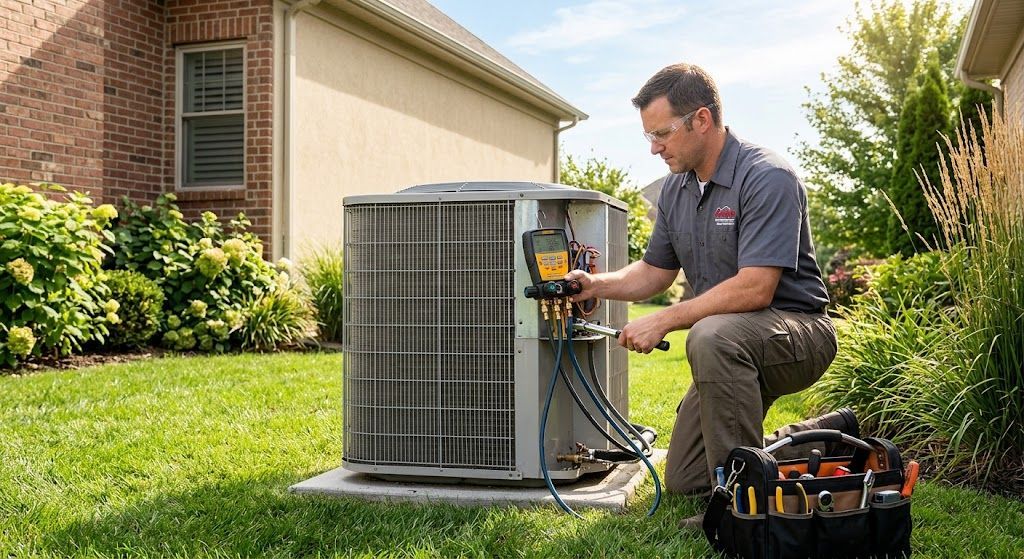
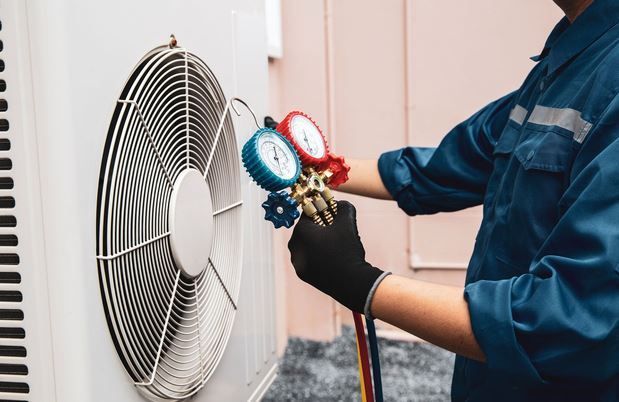
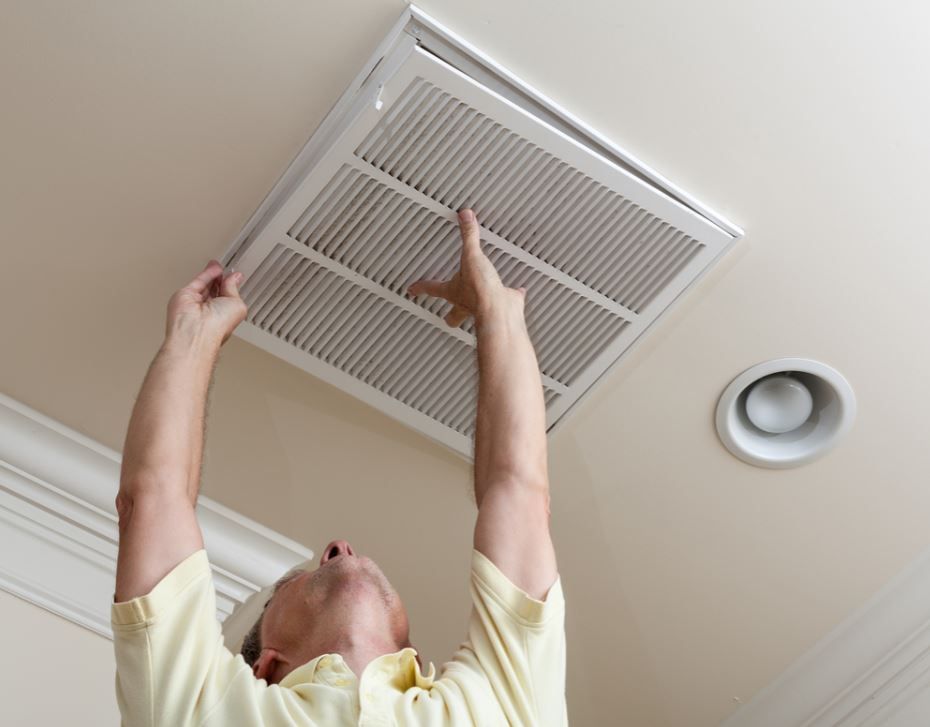
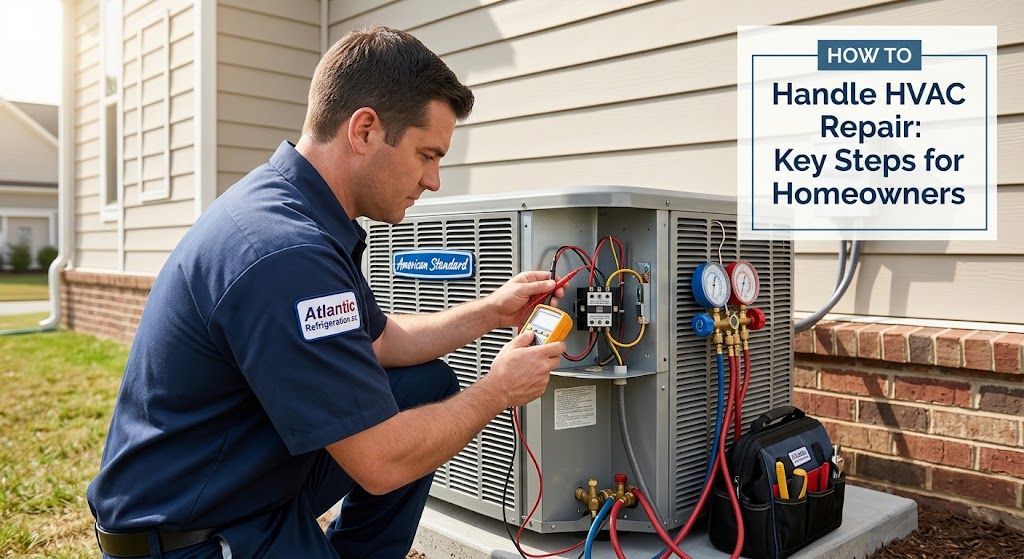
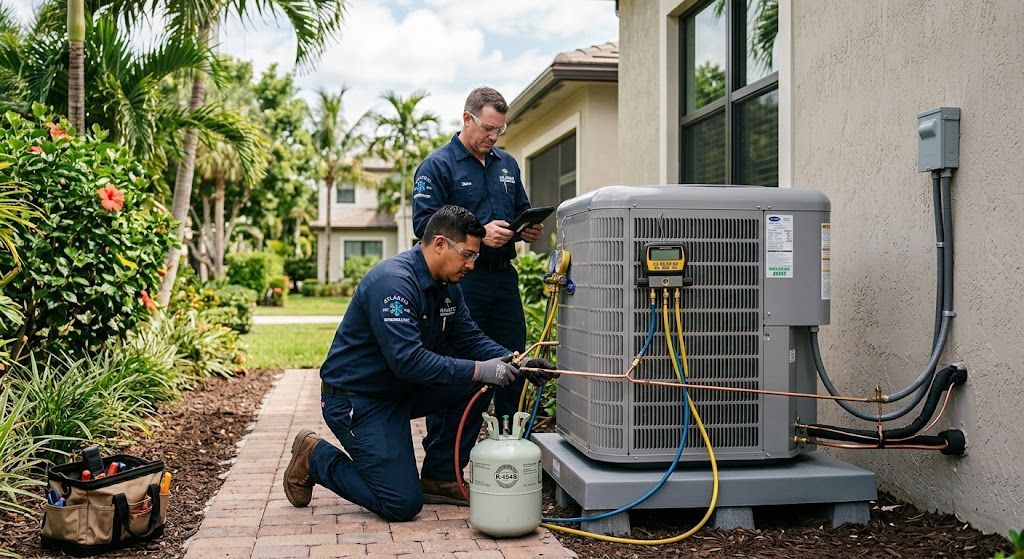
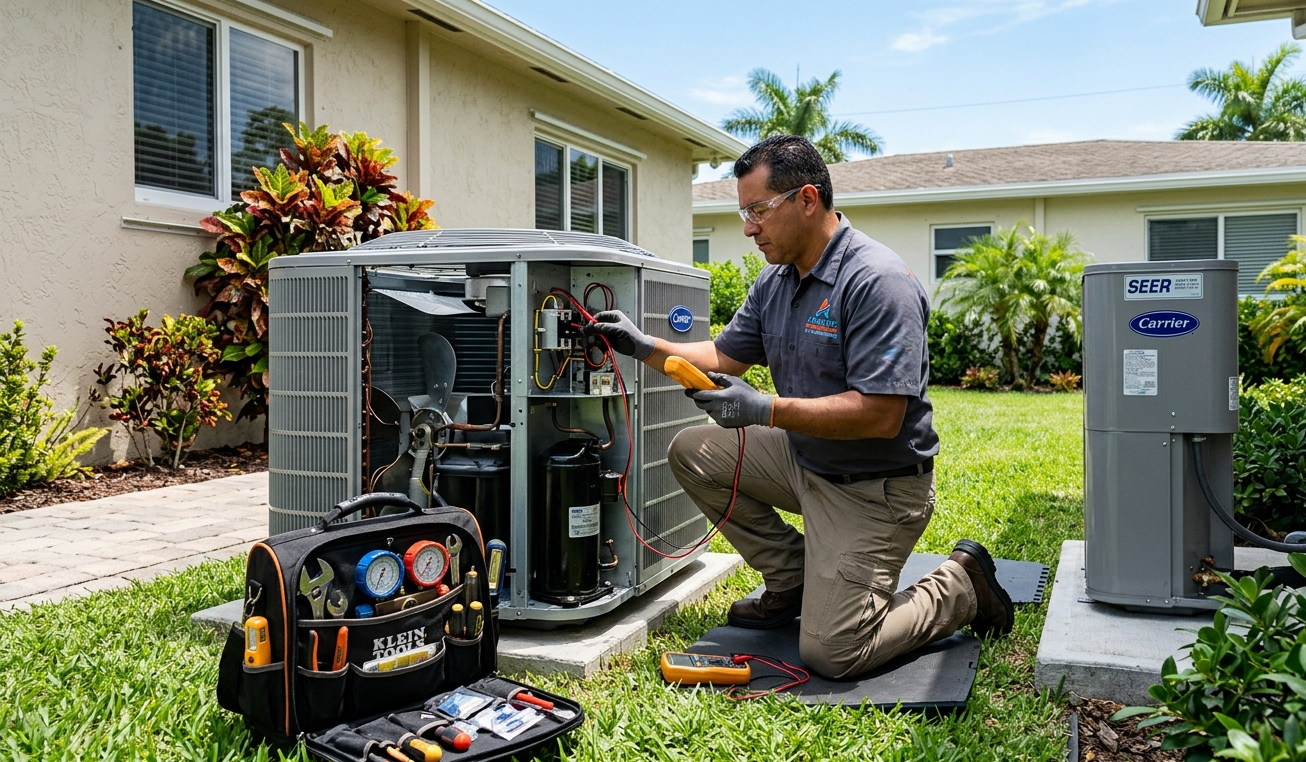
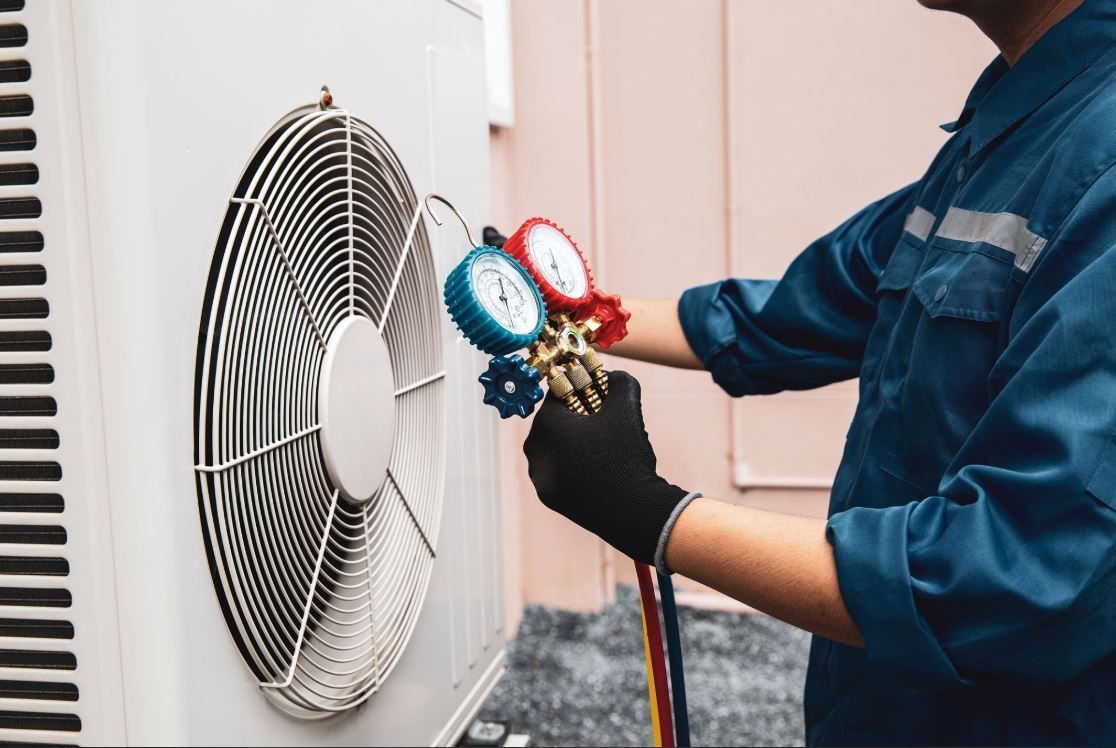
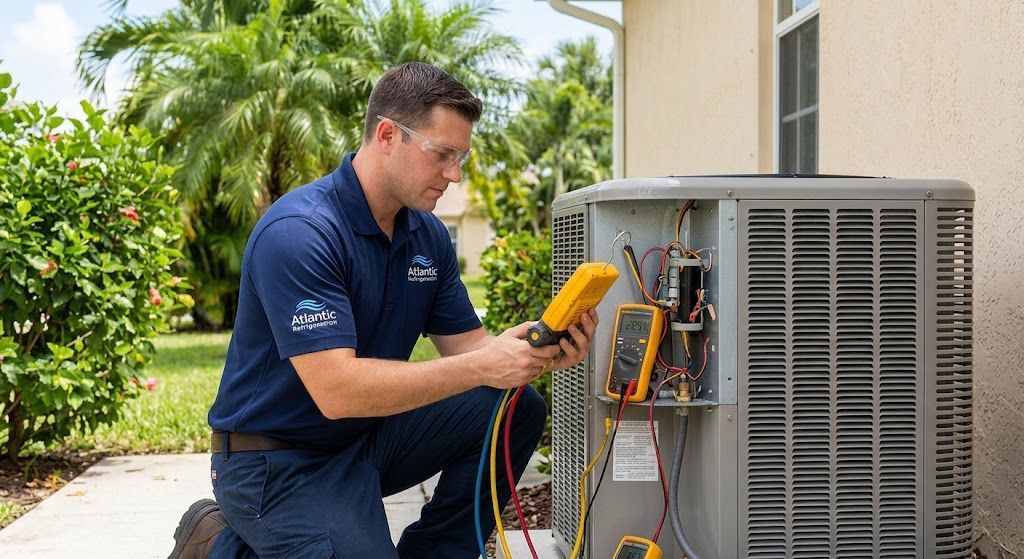
The technician will check everything for leaks. That includes the refrigerant lines and the air ducts. If they find a leak, then parts of your system could freeze because of the lower airflow and/or lesser ability to exchange heat. If refrigerant is missing, then the technician will add some after fixing the leak. Belts, fans, motors, and all other parts get inspected, too, and replaced if necessary. In a case where your system is emitting unusual smells or making weird sounds, the technician will investigate those as well. After completing any repairs, it’s also usual for a technician to perform a blower door test to check the efficacy of the repaired system.

How Often Do You Need an Inspection?

Once or twice a year usually suffices. Extreme heat, such as extended periods over 90°F, particularly with high humidity, necessitates at least two inspections a year. Generally, the best times for those inspections are the end of spring and the end of fall.


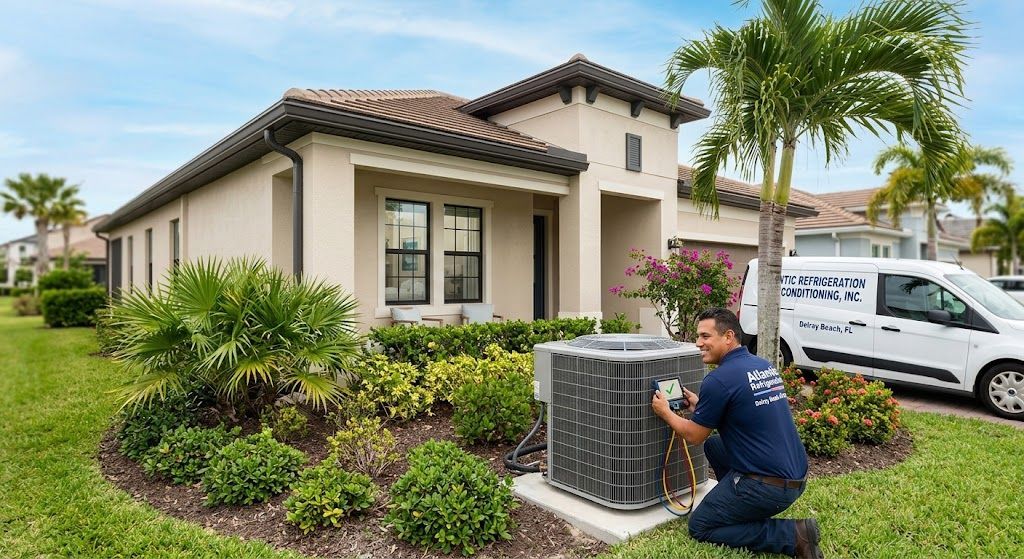
We have the skills and knowledge to handle anything you need done regarding your air conditioner, and our repairs are competitively priced. So, for air conditioning repairs or routine maintenance from a locally owned and operated company in Delray Beach, contact us at Atlantic Refrigeration to set up an appointment.

Recent Posts

heater needs repair
By Corey Creekmore February 19, 2026
Is your heater making strange noises or running up your bills? Learn common signs your furnace or heater needs repair before winter leaves you in the cold.
By Atlantic Refrigeration February 16, 2026
Comprehensive HVAC maintenance programs in Delray Beach, FL. Atlantic Refrigeration keeps commercial heating and cooling systems running efficiently year-round.
mini split
By Corey Creekmore February 12, 2026
Discover 10 compelling reasons why a mini-split AC system is the superior choice for your home. Enjoy efficient, customizable comfort and save on energy bills!
refrigeration
By Corey Creekmore February 5, 2026
Protect your inventory and avoid breakdowns with our commercial refrigeration preventive maintenance checklist covering daily, weekly, monthly, and annual tasks.
heater strange noises
By Corey Creekmore January 28, 2026
Heater making strange noises? Learn what banging, rattling, squealing, or grinding sounds mean, safe DIY checks, and when to call a pro to fix your system.
repair heater
By Corey Creekmore January 21, 2026
Learn how to repair your own heater with safe, DIY troubleshooting tips that fix common furnace problems, boost efficiency, and keep your home warm all winter.
By Atlantic Refrigeration January 17, 2026
Expert ice machine repair solutions in Fort Lauderdale, FL. Atlantic Refrigeration fixes commercial ice makers for restaurants, bars, and hospitality businesses quickly.
By Corey Creekmore January 15, 2026
When the heat goes out, comfort drops fast—but not every problem needs a repair call. Try these simple checks first to see if you can get your system running again safely. 1. Confirm thermostat settings Make sure the thermostat is set to Heat, not Cool or Off. Raise the set temperature 3–5 degrees above room temperature. Replace thermostat batteries if the screen is dim, blank, or unresponsive. 2. Check the power and breaker Look at your electrical panel for a tripped breaker and reset it once if needed. Verify the furnace or air handler switch (often looks like a light switch nearby) is in the On position. If power trips again, stop and call a professional—there may be an electrical fault. 3. Verify the furnace door and safety switches Many furnaces will not run if the front access panel is not fully closed. Open the panel, check for anything obvious out of place, then close it firmly until it clicks. Wait a few minutes and see if the system starts up. 4. Replace or clean the air filter A clogged filter can make the system overheat and shut down for safety. Locate the filter, slide it out, and check: if it’s gray, dusty, or hard to see light through, replace it. Use the same size and orientation (airflow arrow pointing toward the furnace). 5. Check supply and return vents Walk through the home and confirm vents are open and not blocked by furniture, curtains, or rugs. Keep return grilles clear so air can flow back to the system. Avoid closing too many vents in unused rooms, which can stress the system. 6. Look at the pilot light or ignition (For older gas furnaces with a standing pilot) If the pilot light is out, follow the manufacturer’s lighting instructions on the unit label. If the flame will not stay lit or you smell gas, stop immediately and call a pro or your gas company. (For modern furnaces with electronic ignition) These use spark or hot-surface igniters; if you hear repeated clicking with no start, it likely needs professional service. 7. Make sure the gas or fuel is on Confirm the gas shutoff valve near the furnace is parallel to the pipe (On position). If you use propane or oil, check the tank gauge to ensure you’re not out of fuel. If you ever smell strong gas, leave the building and contact emergency services—do not keep troubleshooting. 8. Inspect the outdoor unit (for heat pumps) If you have a heat pump, check the outdoor unit for snow, leaves, or debris blocking airflow. Gently clear away obstructions and make sure the unit is not buried or iced over. If there is heavy ice buildup, turn the system off and call a professional. 9. Check for error codes or indicator lights Many furnaces have a small viewing window with an LED that blinks in a pattern. Note the blink pattern and keep it handy for the technician—it helps pinpoint the problem. Some smart thermostats also show specific error messages or lockouts. 10. Give the system a “soft reset” Turn the thermostat to Off and the system switch at the furnace to Off. Wait 5–10 minutes, then turn the furnace switch On and reset the thermostat to Heat. Listen for the sequence: blower, ignition, and warm air from vents. If it still fails, it’s time to call for service. When to stop and call a professional You smell gas, burning, or strong electrical odors. The breaker keeps tripping or the furnace shuts down repeatedly. You see visible damage, scorch marks, or loose wiring. A quick visual and basic check often brings a non-working heater back online, but if these steps don’t help—or anything seems unsafe—shutting it down and calling a licensed technician is the safest move.
duct leakage
By Corey Creekmore January 7, 2026
Stop duct leakage from draining your wallet. Learn how small gaps in your ductwork waste energy, raise power bills, and how sealing them restores efficiency.
power bill
By Corey Creekmore January 1, 2026
Coastal “salt tax” is real. Learn how salty, humid air wears down your HVAC, drives up energy use, and what you can do to protect your comfort and power bill.
Show More