In the modern commercial landscape, maintaining a comfortable, safe, and efficient indoor environment is not just a luxury—it is a foundational requirement for operational success. From retail storefronts and sprawling office complexes to specialized medical facilities and industrial warehouses, the heating, ventilation, and air conditioning (HVAC) system serves as the literal lungs of a building.
When a commercial HVAC system functions optimally, it goes entirely unnoticed. Employees remain productive, sensitive equipment stays cool, customers linger longer, and indoor air quality remains pristine. However, when a system falters, the consequences can be immediate and costly, resulting in spiked utility bills, operational downtime, and compromised comfort.
This comprehensive guide explores the critical components of commercial HVAC systems, the unique challenges businesses face, and best practices for installation, maintenance, and energy optimization.
Understanding Commercial HVAC Systems
While residential and commercial HVAC systems share the same fundamental objective—regulating temperature, humidity, and air quality—their scale, complexity, and structural designs are vastly different.
1. Scale and Complexity
Residential systems typically rely on a single split system or a centralized heat pump designed to condition a relatively small, uniform space. In contrast, commercial properties feature highly varied occupancy loads, complex architectural layouts, and distinct zoning requirements. A single commercial building may require simultaneous cooling in a server room and heating in an executive boardroom.
2. Modular Design
Most commercial HVAC systems are modular. This means components are grouped together or compartmentalized, allowing for easier expansion or modification as a business grows or changes its spatial layout. If a business expands its floor plan, an experienced technician can often integrate additional modules into the existing infrastructure rather than replacing the entire system.
3. Placement (Rooftop vs. Indoor)
In commercial settings, real estate is at a premium. To save interior square footage and isolate operational noise, components are frequently housed on the roof. These packaged rooftop units (RTUs) contain all necessary elements—compressors, condensers, evaporators, and fan coils—in one weather-resistant casing.
Core Components of Commercial HVAC Infrastructure
To understand how to manage and maintain a commercial system, it helps to break down its primary structural elements:
- Packaged Rooftop Units (RTUs): Extremely common in commercial settings, these self-contained units are engineered to withstand outdoor elements while delivering reliable heating and cooling through an interconnected duct network.
- Chillers: Often utilized in large-scale facilities, chillers generate chilled water, which is pumped through pipes to air handling units (AHUs) across the building to remove heat from the indoor air.
- Boilers and Furnaces: Industrial boilers use water or steam to distribute heat efficiently across immense square footage, whereas commercial furnaces rely on gas or electricity to warm air directly before distribution.
- Variable Air Volume (VAV) Systems: These systems regulate temperature by varying the airflow at a constant temperature to different zones, providing precise climate control across different rooms based on localized demand.
- Air Handling Units (AHUs): These large metal boxes contain blowers, heating or cooling elements, filter racks, and dampers. They connect directly to the ductwork to condition and circulate air throughout the facility.
The Crucial Role of Commercial IAQ (Indoor Air Quality)
Indoor Air Quality (IAQ) has risen to the top of facility management priorities. Poor IAQ can lead to "Sick Building Syndrome," a condition where occupants experience acute health and comfort effects linked directly to time spent in a building.
Commercial systems must do more than modify temperatures; they must actively filter, purify, and exchange indoor air with fresh outdoor air.
Advanced Filtration
Standard fiberglass filters are insufficient for commercial standards. Modern businesses heavily utilize high-efficiency particulate air (HEPA) filters or MERV 13+ rated filters to trap microscopic pollutants, dust, volatile organic compounds (VOCs), and airborne pathogens.
Ventilation and Humidity Control
Proper ventilation ensures that carbon dioxide levels do not spike, which can cause drowsiness and reduced cognitive function among workers. Concurrently, balancing relative humidity between 30% and 50% prevents the proliferation of mold, mildew, and dust mites while protecting structural elements and sensitive electronics from moisture damage.
Maximizing Energy Efficiency and Reducing Operational Costs
Heating and cooling typically account for the largest share of energy consumption in a commercial building. Optimizing these systems represents a massive opportunity to lower overhead costs and diminish a company’s carbon footprint.
Regular Maintenance is Non-Negotiable
An overlooked HVAC system can lose up to 5% efficiency every year it goes without professional service. Accumulated grime on coils, slipping fan belts, and clogged filters force compressors to work significantly harder, drawing excess power and accelerating mechanical wear.
Smart Controls and Building Automation
Integrating a building automation system (BAS) or smart commercial thermostats allows managers to program tight schedules tailored to actual building occupancy. Deep setbacks during weekends, holidays, or overnight hours prevent energy from being wasted on empty spaces. Furthermore, advanced zoning allows systems to direct airflow strictly where it is needed most.
Upgrading to High-SEER and IEER Equipment
If your current infrastructure is over 10–15 years old, upgrading to modern units boasting high Seasonal Energy Efficiency Ratios (SEER) or Integrated Energy Efficiency Ratios (IEER) can yield immediate utility savings of 20% to 40%. The initial capital expenditure is often offset rapidly by reduced monthly energy expenses and fewer emergency repair bills.
Common Commercial HVAC Pitfalls and Prevention Strategies
Failing to properly manage a commercial climate system can disrupt business continuity. Below are frequent challenges faced by facility managers, along with the best methods to prevent them:
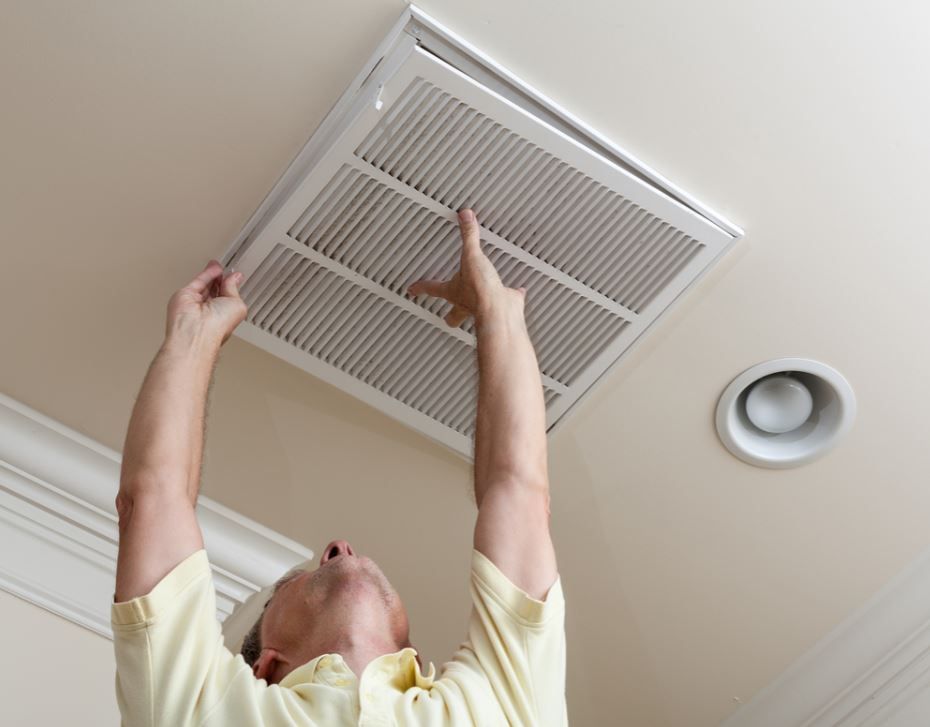
- Neglected Filters: Clogged air filters severely restrict airflow, place unnecessary strain on system motors, and degrade indoor air quality. To prevent this, facilities should implement a strict schedule of monthly inspections and quarterly replacements.
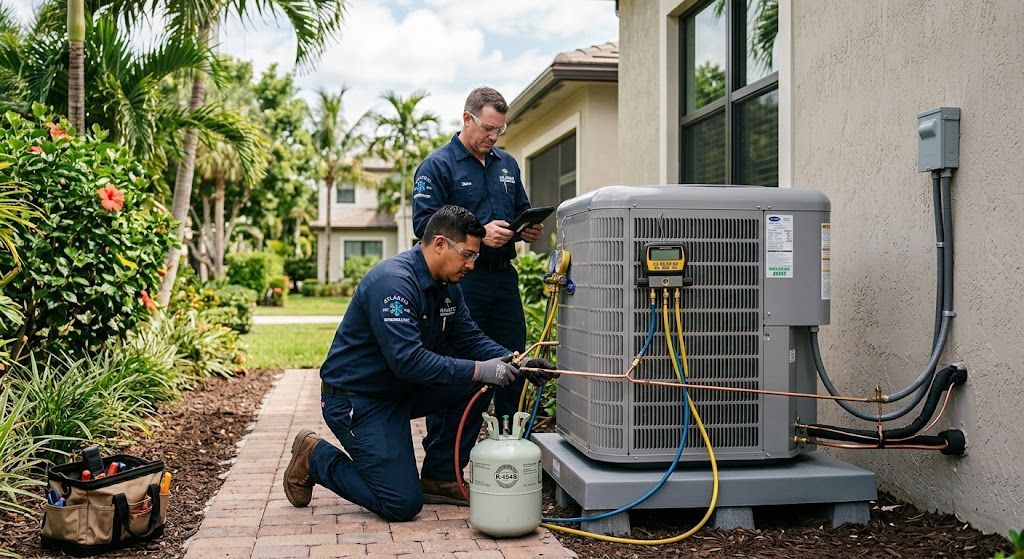
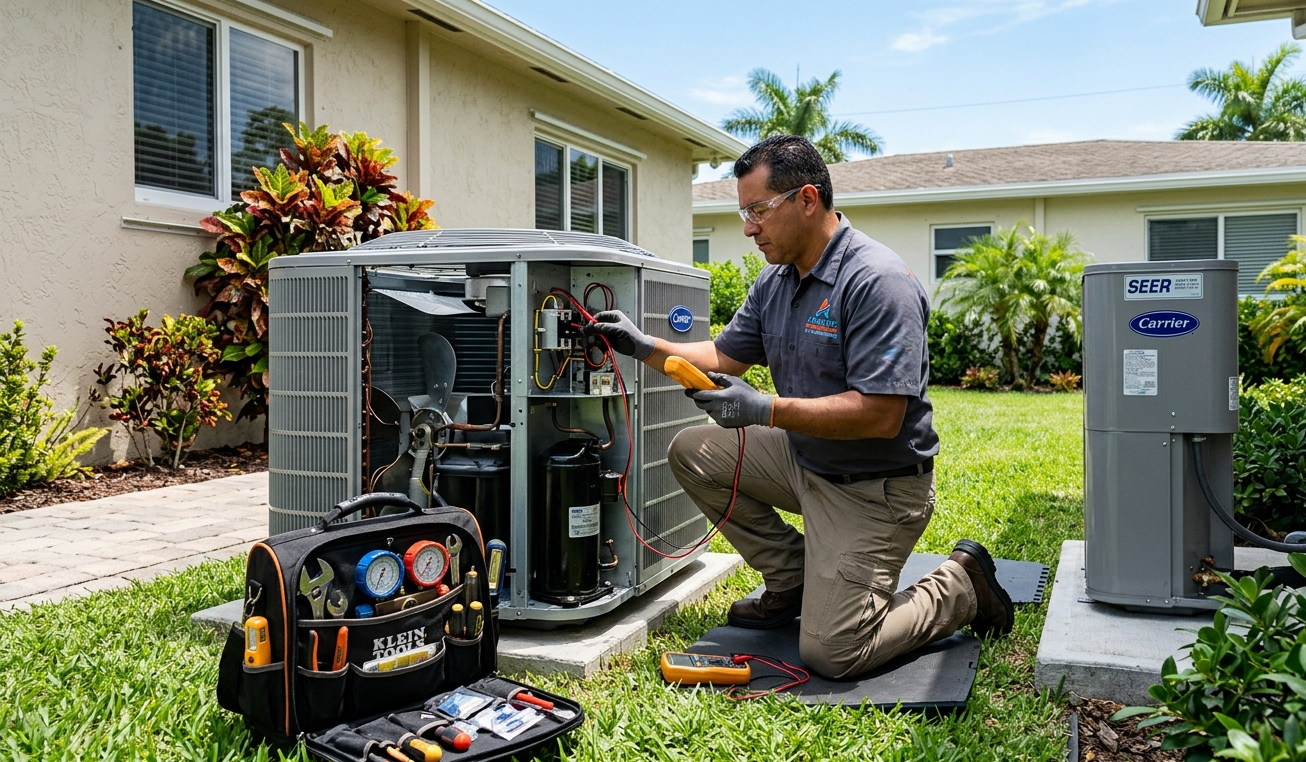
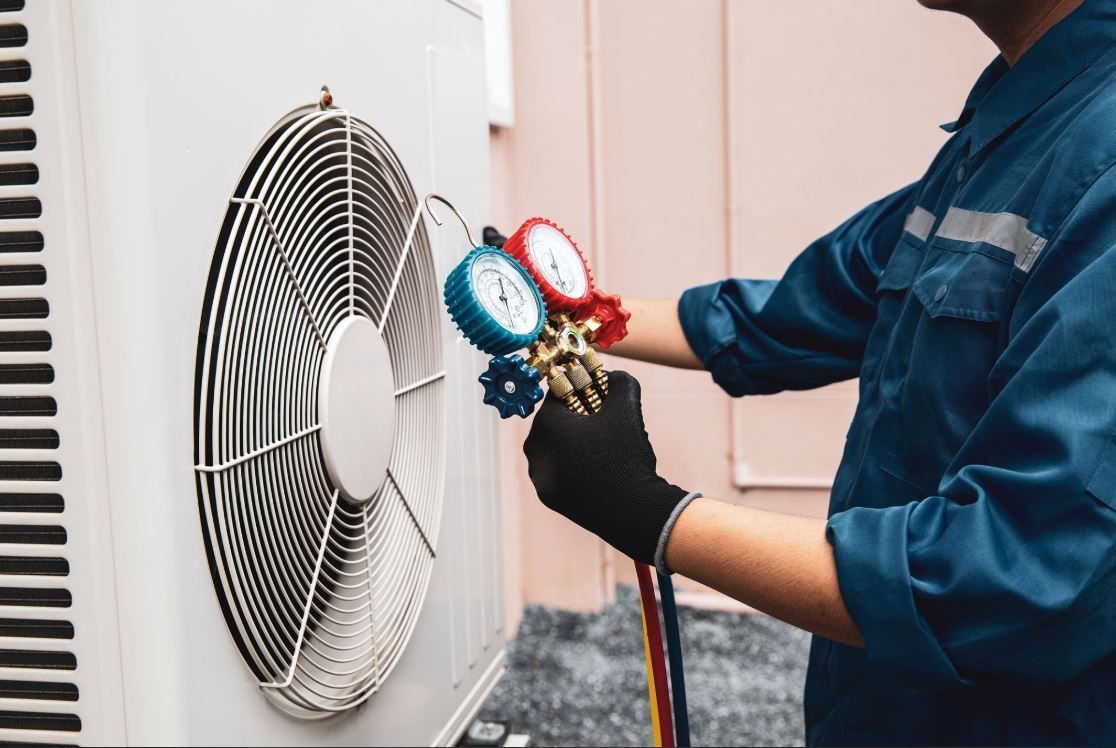
- Refrigerant Leaks: When refrigerant levels drop, it diminishes cooling capacity, drives up energy usage, and poses environmental compliance risks. This issue can be stopped early through routine pressure testing conducted during seasonal preventative maintenance visits.
- Improper System Sizing: Systems that are too large or too small suffer from short-cycling, accelerated mechanical wear, and uneven temperature zones. The best prevention strategy is ensuring comprehensive Manual N load calculations are performed prior to any equipment installation.
- Ignored Ductwork: Damaged or dirty ducts cause significant treated air loss, heavy dust accumulation, and inconsistent airflow across building zones. Facility managers should schedule periodic duct inspections, sealing, and commercial-grade cleaning to protect system integrity.
Selecting the Right Commercial HVAC Partner
Because commercial systems are intricately tied to a building's architecture, plumbing, and electrical grid, they demand specialized technical expertise. When vetting a mechanical contractor to service, design, or install your system, keep the following criteria in mind:
- Commercial-Specific Experience: Ensure the provider specializes in commercial applications rather than strictly residential services. Commercial systems feature entirely different wiring, controls, and structural demands.
- Comprehensive Maintenance Programs: Look for contractors offering tailored preventative maintenance agreements that include thorough multi-point inspections, safety checks, and priority emergency responses.
- Emergency Availability: HVAC emergencies rarely happen at convenient times. A dependable partner should provide prompt emergency repair services to safeguard your inventory, data infrastructure, and workforce comfort around the clock.
Investing in your building's climate infrastructure safeguards your physical asset, elevates tenant satisfaction, and protects your bottom line. Whether you need an emergency repair, an energy-efficiency audit, or a completely new system design, relying on trusted professionals ensures your facility runs smoothly year-round. Discover how tailored engineering, preventative maintenance, and expert installation can transform your property's efficiency by partnering with the specialists in
commercial HVAC services today.