Breathe Easier: Your Comprehensive Guide to Improving Indoor Air Quality
We spend a significant portion of our lives indoors, whether it's the comfort of our homes or the productivity hub of our offices. Yet, the very air we breathe in these spaces, often unseen and unconsidered, can have a profound impact on our health, well-being, and even our cognitive function. Poor indoor air quality (IAQ) is a silent culprit behind a myriad of issues, from allergies and asthma to headaches, fatigue, and even more serious long-term health problems.
But fear not! Improving your indoor air quality isn't an insurmountable task. With a little knowledge and some proactive steps, you can transform your living and working environments into sanctuaries of fresh, clean air. This comprehensive guide will equip you with the understanding and practical strategies you need to breathe easier and live healthier.
Why Should You Care About Indoor Air Quality?
Before we dive into solutions, let's understand the "why." What exactly makes indoor air potentially unhealthy?
- Common Indoor Air Pollutants:
- Particulate Matter (PM2.5 and PM10): Tiny airborne particles from dust, pet dander, pollen, mold spores, combustion (candles, fireplaces, cooking), and outdoor pollution seeping indoors. These can penetrate deep into the lungs.
- Volatile Organic Compounds (VOCs): Gases emitted from certain solids or liquids, including paints, varnishes, cleaning supplies, air fresheners, new furniture, carpeting, and even some building materials. Short-term exposure can cause eye, nose, and throat irritation, headaches, and nausea. Long-term exposure can lead to liver, kidney, and central nervous system damage, and some are suspected carcinogens.
- Carbon Monoxide (CO): An odorless, colorless, and highly toxic gas produced by incomplete combustion. Sources include faulty furnaces, gas stoves, water heaters, and car exhaust from attached garages. It can be fatal.
- Radon: A naturally occurring radioactive gas that can seep into homes from the ground. It's the second leading cause of lung cancer.
- Mold and Mildew: Fungi that thrive in damp environments, releasing spores that can trigger allergies, asthma attacks, and other respiratory issues.
- Allergens: Pet dander, dust mites, pollen (tracked in from outside), and cockroach allergens are common triggers for allergic reactions.
- Ozone: While beneficial in the upper atmosphere, ground-level ozone is a pollutant formed by reactions between VOCs and nitrogen oxides, often associated with smog. Some air purifiers can also produce ozone.
- Health Impacts:
- Respiratory Issues: Worsening of asthma and allergies, bronchitis, sinus congestion, and general respiratory irritation.
- Irritation: Eye, nose, and throat irritation.
- Neurological Effects: Headaches, dizziness, fatigue, difficulty concentrating.
- Cardiovascular Issues: Exposure to fine particulate matter has been linked to heart disease.
- Long-Term Risks: Increased risk of certain cancers (from radon and some VOCs) and other chronic diseases.
The Pillars of Good Indoor Air Quality: A Holistic Approach
Improving IAQ requires a multi-faceted approach, focusing on three key pillars:
Source Control, Ventilation, and Air Cleaning.
Pillar 1: Source Control – Eliminate or Reduce Pollutants at Their Origin
This is often the most effective strategy. If you can stop pollutants from entering your air in the first place, you're halfway there.
- Choose Low-VOC Products:
- Paints and Finishes: Opt for "low-VOC" or "no-VOC" paints, stains, and varnishes.
- Furniture and Flooring: Look for products certified by organizations like GREENGUARD or FloorScore, indicating low emissions. Allow new furniture and carpeting to off-gas in a well-ventilated area before bringing them indoors, if possible.
- Cleaning Supplies: Replace conventional, harsh chemical cleaners with eco-friendly, natural alternatives (e.g., vinegar, baking soda) or certified "green" products. Avoid aerosol sprays and strong chemical air fresheners.
- Control Moisture and Prevent Mold:
- Fix Leaks Promptly: Repair leaky roofs, plumbing, and windows immediately.
- Manage Humidity: Aim for indoor humidity levels between 30-50%. Use exhaust fans in bathrooms and kitchens, especially during and after showering or cooking. Use a dehumidifier in damp basements or humid climates.
- Clean Up Spills: Dry wet areas and spills within 24-48 hours to prevent mold growth.
- Ventilation: Ensure good ventilation in areas prone to dampness.
- Minimize Combustion Byproducts:
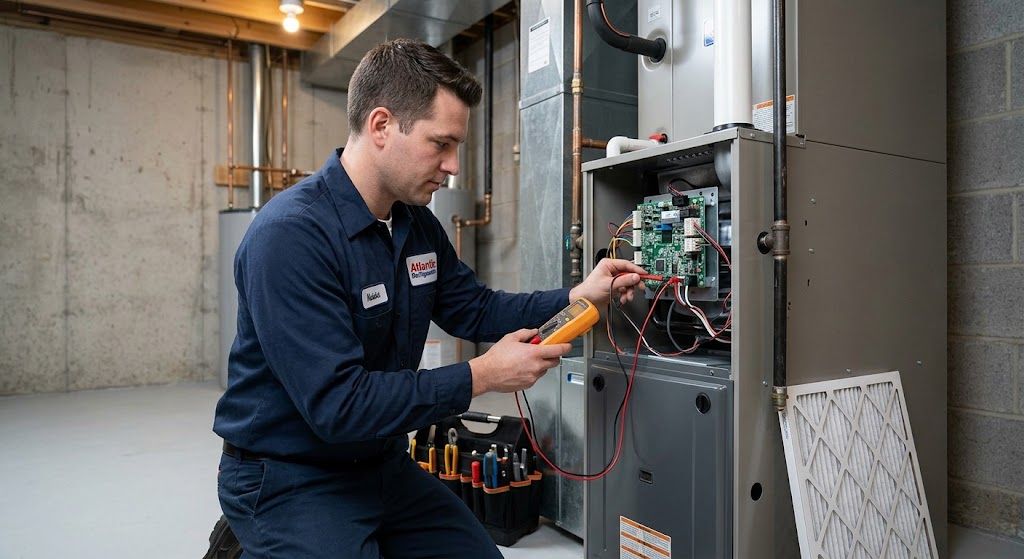
- Maintain Appliances: Have your furnace, water heater, and gas stove inspected annually by a professional to ensure they're operating efficiently and not leaking carbon monoxide.
- Use Exhaust Fans: Always use exhaust fans when cooking, especially with gas stoves, which can release nitrogen dioxide and fine particulates.
- Avoid Indoor Burning: Limit or avoid burning candles, incense, and using fireplaces unless they are well-maintained and properly vented. Never use charcoal grills indoors.
- Install CO Detectors: Place carbon monoxide detectors on every level of your home and near sleeping areas.
- Manage Pests and Allergens:
- Regular Cleaning: Dust regularly with a damp cloth (to trap dust, not just spread it), vacuum with a HEPA-filter vacuum cleaner.
- Pet Dander: Bathe pets regularly, keep them out of bedrooms, and vacuum frequently.
- Dust Mites: Use allergen-proof covers for mattresses and pillows. Wash bedding in hot water weekly.
- Pest Control: Address any pest infestations promptly, using least-toxic methods.
- Be Mindful of Personal Care Products:
- Some aerosols and fragrances in personal care products can contribute to VOCs. Consider fragrance-free or naturally fragranced options.
Pillar 2: Ventilation – Bring in Fresh Air, Expel Stale Air
Ventilation is crucial for diluting indoor pollutants and bringing in fresh outdoor air.
- Open Windows and Doors:
- The simplest and most cost-effective method. Open windows on opposite sides of your home or office for cross-ventilation, even for a few minutes each day, especially after cleaning, cooking, or painting.
- Use Exhaust Fans:
- Kitchen: Essential for removing cooking fumes, moisture, and particulate matter. Ensure your fan vents to the outside, not just recirculates air.
- Bathrooms: Crucial for removing moisture and preventing mold growth. Run them during and for at least 15-20 minutes after showering or bathing.
- Mechanical Ventilation Systems (HVAC):
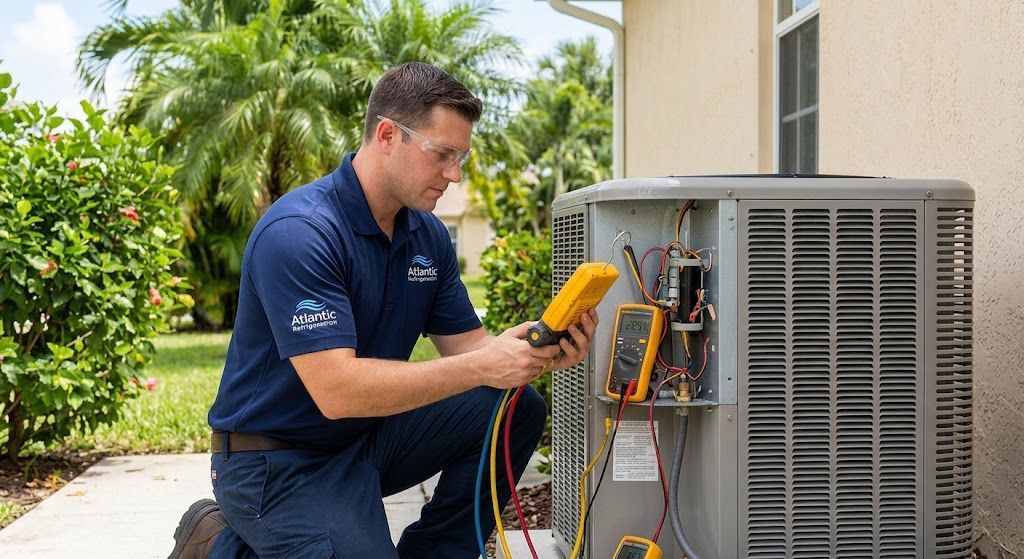
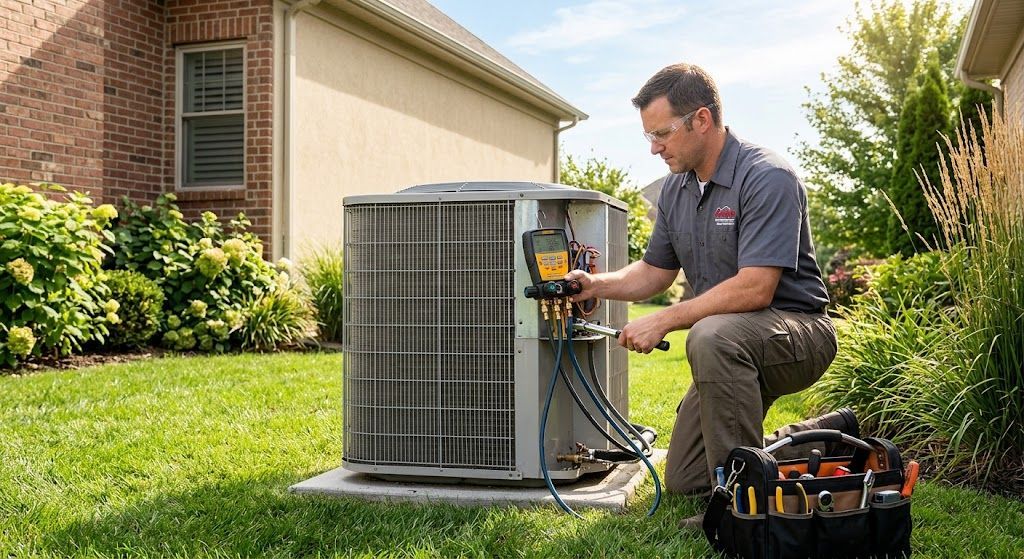
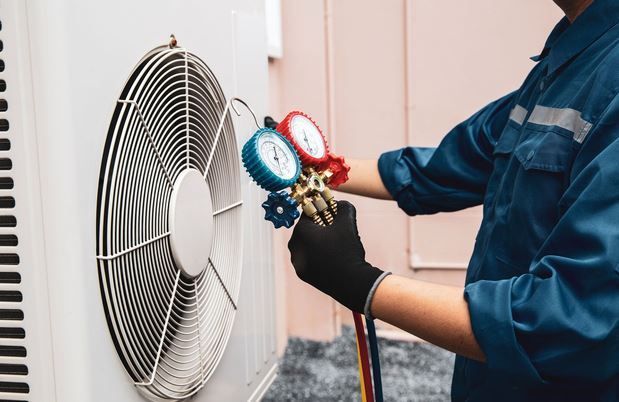
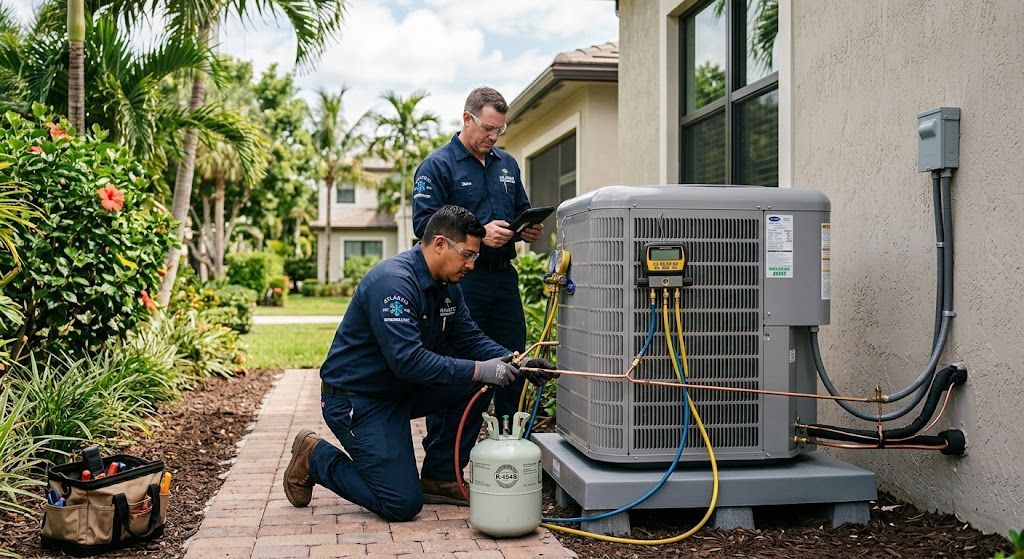
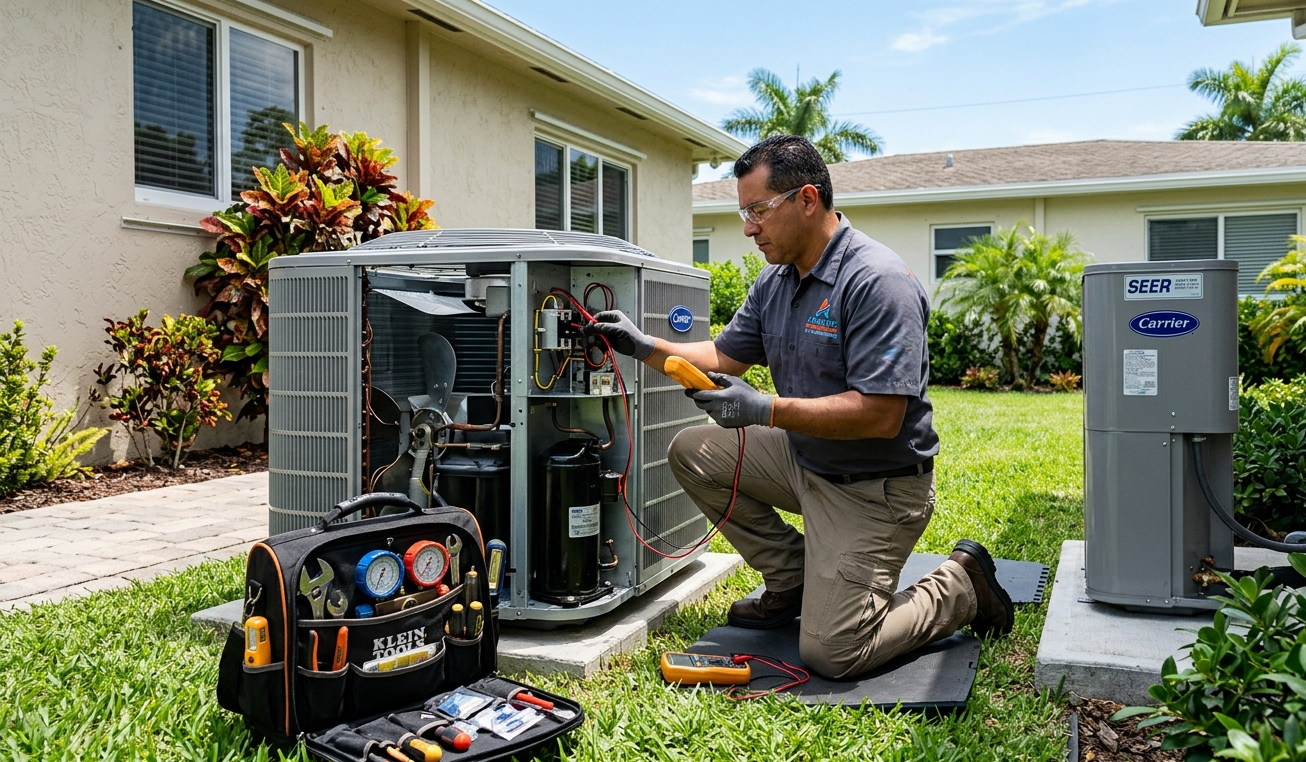
- HVAC Maintenance: Ensure your heating, ventilation, and air conditioning (HVAC) system is regularly maintained by a professional.
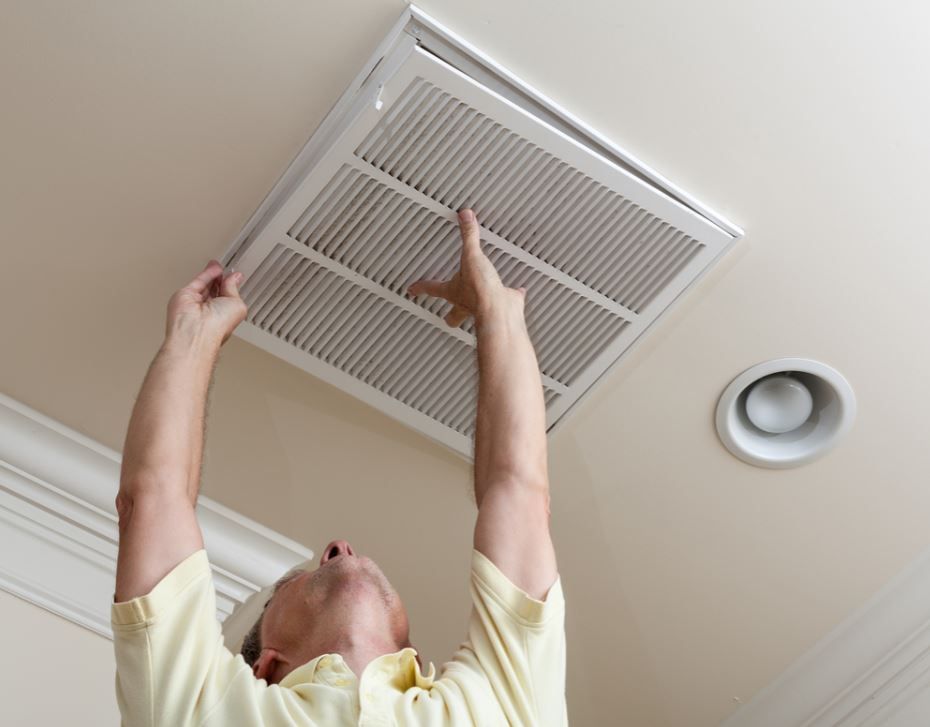
- Filter Changes: Replace your HVAC filters regularly (every 1-3 months, depending on usage and filter type). Use high-quality filters (MERV 8-13) that can capture smaller particles.
- Bring in Fresh Air: Some modern HVAC systems have fresh air intake capabilities. Ensure these are properly functioning. Consider Energy Recovery Ventilators (ERVs) or Heat Recovery Ventilators (HRVs) for energy-efficient fresh air exchange, especially in tightly sealed homes.
- Plants (with Caution):
- While some studies suggest certain houseplants can remove trace amounts of VOCs, their impact on overall IAQ in a typical room is often negligible compared to other methods. They can also introduce mold if overwatered. Focus on plants for aesthetic and well-being benefits, not as primary air purifiers.
Pillar 3: Air Cleaning – Supplementing Source Control and Ventilation
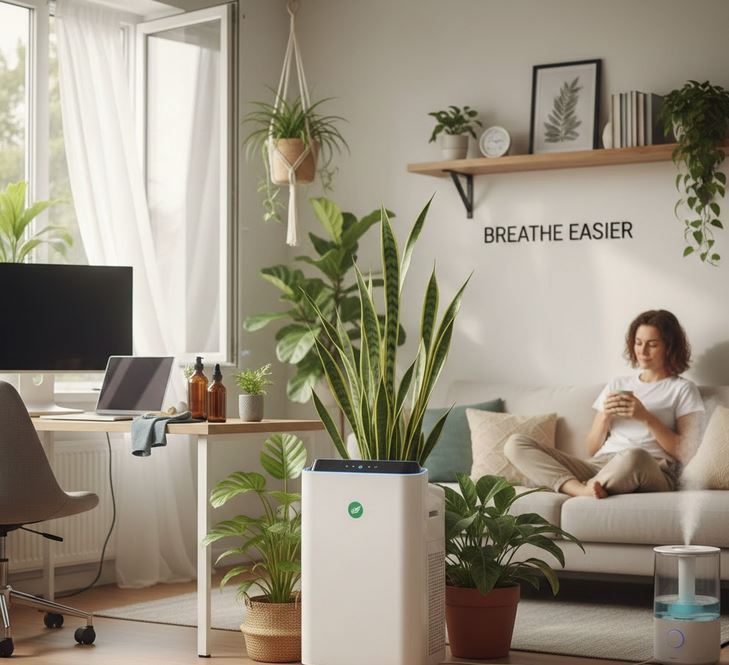
While not a substitute for source control and ventilation, air purifiers can be a valuable addition, especially for removing fine particulate matter, allergens, and some gases.
- HEPA Filters:
- What they do: High-Efficiency Particulate Air (HEPA) filters are the gold standard for removing airborne particles, including dust, pollen, pet dander, mold spores, and even some bacteria and viruses. They capture 99.97% of particles 0.3 microns in size.
- Where to use: Look for standalone HEPA air purifiers for specific rooms or for your entire home. Ensure your vacuum cleaner also has a HEPA filter.
- Activated Carbon Filters:
- What they do: These filters are designed to absorb gases, odors, and VOCs.
- Where to use: Often found in conjunction with HEPA filters in higher-quality air purifiers. Essential if you're concerned about chemical odors, cooking smells, or VOCs from new furnishings.
- Avoid Ozone-Generating Purifiers:
- Some older or less reputable air purifiers use technologies like ionizers or electrostatic precipitators that can produce ozone, a lung irritant. Always check for certifications (e.g., California Air Resources Board - CARB certified) that guarantee no harmful ozone production.
- Whole-House Air Purifiers:
- These integrate with your existing HVAC system and can filter air throughout your entire home. They are a more significant investment but offer comprehensive purification.
Specific Considerations for Offices:
Many of the same principles apply, but with some additional points:
- Shared Spaces: In an office, you have less control over others' choices (e.g., perfumes, cleaning products). Advocate for good IAQ practices with building management.
- Office Equipment: Printers, copiers, and some electronics can emit VOCs and particulate matter. Ensure these areas are well-ventilated.
- HVAC System: Regular maintenance of the building's HVAC system is paramount. Encourage management to use high-efficiency filters and ensure proper fresh air intake.
- Ergonomics and Airflow: Position desks to avoid direct drafts from vents if they are recirculating dusty air.
- Personal Air Purifiers: A small, personal HEPA air purifier can be beneficial for your immediate workspace if the building's system is inadequate.
Putting It All Together: A Step-by-Step Action Plan
- Assess Your Environment: Consider potential sources of pollution in your home or office. Do you have pets? Cook frequently? Live near a busy road? Have old carpeting?
- Prioritize Source Control: This is your first line of defense. Start by eliminating or reducing obvious pollutant sources.
- Maximize Ventilation: Make a habit of opening windows, using exhaust fans, and ensuring your HVAC system is well-maintained.
- Consider Air Purification: If source control and ventilation aren't enough, or if you have specific sensitivities (allergies, asthma), invest in a quality air purifier with HEPA and activated carbon filters.
- Monitor (Optional but Recommended): Consider a smart indoor air quality monitor to track levels of PM2.5, VOCs, CO2, and humidity. This can help you understand your specific challenges and the effectiveness of your interventions.
- Regular Maintenance: Consistency is key. Regularly clean, change filters, and address moisture issues.
Improving
indoor air quality is an ongoing process, not a one-time fix. By understanding the common pollutants, implementing source control measures, ensuring adequate ventilation, and supplementing with air cleaning technologies, you can create healthier, more comfortable, and more productive indoor environments for yourself, your family, and your colleagues. Start breathing easier today!