How to Know If Your Heating System Is Near the End

Atlantic Refrigeration • July 21, 2025

In general, most furnaces and heat pumps will last 15 to 20 years. Some systems may hang on a little while longer if they’re well taken care of, while others may call it quits much sooner if they’ve been neglected or overburdened.


Age alone isn’t always the whole story, however. You might have a 10-year-old system that has been maintained regularly, and it will likely run better than 5-year-old HVAC equipment that has been ignored.

Signs Your System Is Getting Older

Sometimes your system attempts to warn you it’s nearing the end of its life. The case may be that your house just doesn’t seem as warm, even though you’ve turned up the thermostat. Or maybe the unit spends more time running than it once did, overworking to hold that temperature. Higher heating bills are another warning sign. If your monthly heating bills continue to rise, even though your usage patterns have not changed, your system may be losing its efficiency.


Strange sounds, such as banging, screeching, or rattling, can also be a tip-off. And if you’re calling your HVAC company for repairs more frequently than in the past, that’s a strong signal that it may be time to begin thinking about replacing your system.

How to Make Your System Last Longer

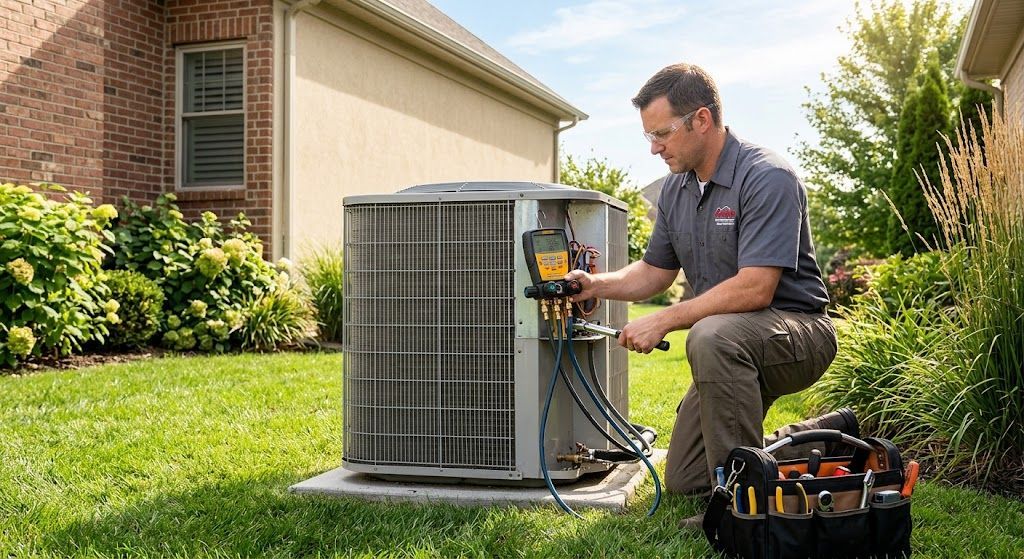
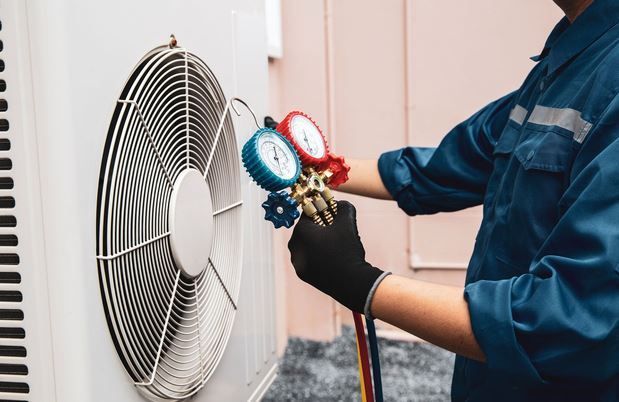
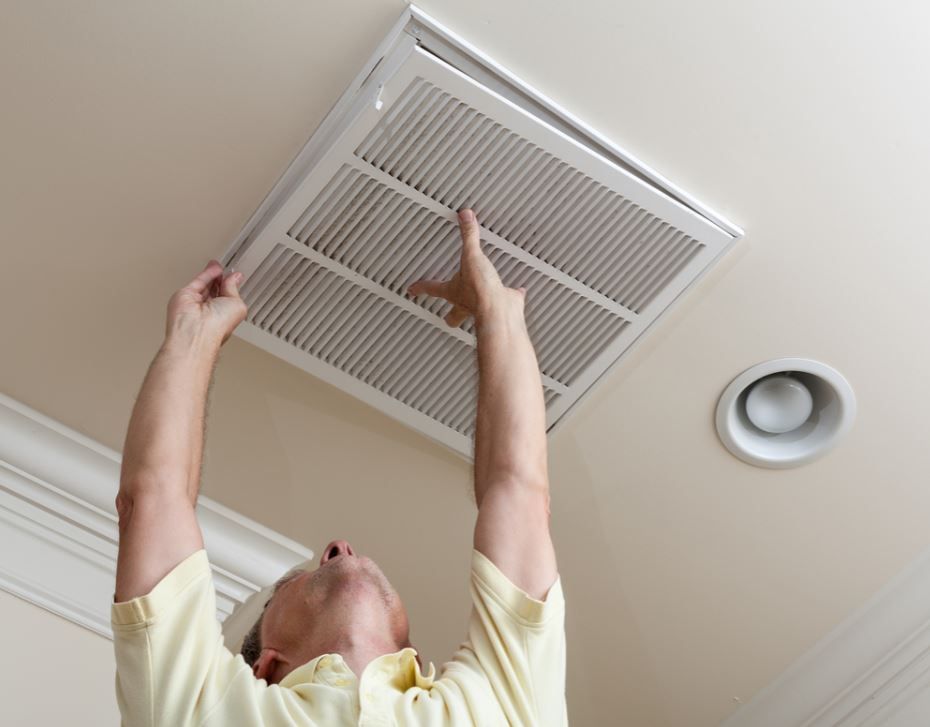
Many experts will tell you that taking care of your heating system will make it last longer. One good way to provide your system with the care that it needs is to schedule at least one technician visit per year to thoroughly examine it and provide maintenance. They’ll catch any problems before they turn into costly repairs that will pulverize your wallet. Regularly changing filters can also be extremely helpful. Block airflow, and your system works harder and wears out quicker.

When Replacement Is Better Than Repair

It’s easy to keep repairing your heating system, especially if a repair feels less expensive than buying a new one. But eventually, repairs become impractical. If your system is 15 years or older and has frequent breakdowns, investing in a replacement might be a better move for your wallet overall. Newer systems are generally more energy efficient, so your heating bills may be lower after installing new equipment.


There’s also the question of comfort. A new system may more effectively keep your home warm. You won’t feel cold spots, and you won’t even hear the unit roar to life each and every time it kicks on, either.


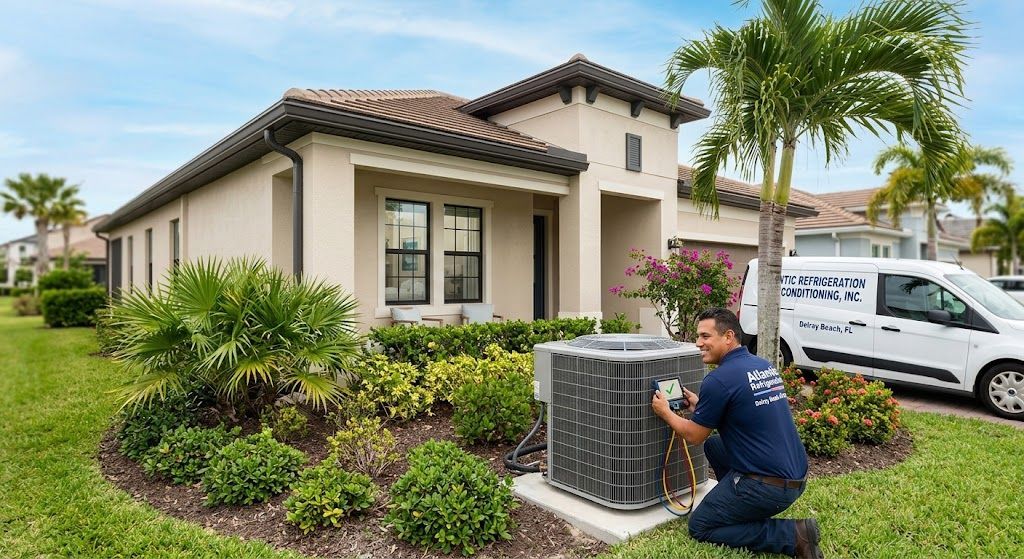
If your heating system is getting old, you need to start preparing now. By being proactive, you can take your time browsing, comparing options, and making the best choice without any rush. If you are in the market for a new system and want to go over your options for your Delray Beach, FL home, contact Atlantic Refrigeration to learn more about our heating replacement and installation services as well as our heating repairs.

Recent Posts

heater needs repair
By Corey Creekmore February 19, 2026
Is your heater making strange noises or running up your bills? Learn common signs your furnace or heater needs repair before winter leaves you in the cold.
By Atlantic Refrigeration February 16, 2026
Comprehensive HVAC maintenance programs in Delray Beach, FL. Atlantic Refrigeration keeps commercial heating and cooling systems running efficiently year-round.
mini split
By Corey Creekmore February 12, 2026
Discover 10 compelling reasons why a mini-split AC system is the superior choice for your home. Enjoy efficient, customizable comfort and save on energy bills!
refrigeration
By Corey Creekmore February 5, 2026
Protect your inventory and avoid breakdowns with our commercial refrigeration preventive maintenance checklist covering daily, weekly, monthly, and annual tasks.
heater strange noises
By Corey Creekmore January 28, 2026
Heater making strange noises? Learn what banging, rattling, squealing, or grinding sounds mean, safe DIY checks, and when to call a pro to fix your system.
repair heater
By Corey Creekmore January 21, 2026
Learn how to repair your own heater with safe, DIY troubleshooting tips that fix common furnace problems, boost efficiency, and keep your home warm all winter.
By Atlantic Refrigeration January 17, 2026
Expert ice machine repair solutions in Fort Lauderdale, FL. Atlantic Refrigeration fixes commercial ice makers for restaurants, bars, and hospitality businesses quickly.
By Corey Creekmore January 15, 2026
When the heat goes out, comfort drops fast—but not every problem needs a repair call. Try these simple checks first to see if you can get your system running again safely. 1. Confirm thermostat settings Make sure the thermostat is set to Heat, not Cool or Off. Raise the set temperature 3–5 degrees above room temperature. Replace thermostat batteries if the screen is dim, blank, or unresponsive. 2. Check the power and breaker Look at your electrical panel for a tripped breaker and reset it once if needed. Verify the furnace or air handler switch (often looks like a light switch nearby) is in the On position. If power trips again, stop and call a professional—there may be an electrical fault. 3. Verify the furnace door and safety switches Many furnaces will not run if the front access panel is not fully closed. Open the panel, check for anything obvious out of place, then close it firmly until it clicks. Wait a few minutes and see if the system starts up. 4. Replace or clean the air filter A clogged filter can make the system overheat and shut down for safety. Locate the filter, slide it out, and check: if it’s gray, dusty, or hard to see light through, replace it. Use the same size and orientation (airflow arrow pointing toward the furnace). 5. Check supply and return vents Walk through the home and confirm vents are open and not blocked by furniture, curtains, or rugs. Keep return grilles clear so air can flow back to the system. Avoid closing too many vents in unused rooms, which can stress the system. 6. Look at the pilot light or ignition (For older gas furnaces with a standing pilot) If the pilot light is out, follow the manufacturer’s lighting instructions on the unit label. If the flame will not stay lit or you smell gas, stop immediately and call a pro or your gas company. (For modern furnaces with electronic ignition) These use spark or hot-surface igniters; if you hear repeated clicking with no start, it likely needs professional service. 7. Make sure the gas or fuel is on Confirm the gas shutoff valve near the furnace is parallel to the pipe (On position). If you use propane or oil, check the tank gauge to ensure you’re not out of fuel. If you ever smell strong gas, leave the building and contact emergency services—do not keep troubleshooting. 8. Inspect the outdoor unit (for heat pumps) If you have a heat pump, check the outdoor unit for snow, leaves, or debris blocking airflow. Gently clear away obstructions and make sure the unit is not buried or iced over. If there is heavy ice buildup, turn the system off and call a professional. 9. Check for error codes or indicator lights Many furnaces have a small viewing window with an LED that blinks in a pattern. Note the blink pattern and keep it handy for the technician—it helps pinpoint the problem. Some smart thermostats also show specific error messages or lockouts. 10. Give the system a “soft reset” Turn the thermostat to Off and the system switch at the furnace to Off. Wait 5–10 minutes, then turn the furnace switch On and reset the thermostat to Heat. Listen for the sequence: blower, ignition, and warm air from vents. If it still fails, it’s time to call for service. When to stop and call a professional You smell gas, burning, or strong electrical odors. The breaker keeps tripping or the furnace shuts down repeatedly. You see visible damage, scorch marks, or loose wiring. A quick visual and basic check often brings a non-working heater back online, but if these steps don’t help—or anything seems unsafe—shutting it down and calling a licensed technician is the safest move.
duct leakage
By Corey Creekmore January 7, 2026
Stop duct leakage from draining your wallet. Learn how small gaps in your ductwork waste energy, raise power bills, and how sealing them restores efficiency.
power bill
By Corey Creekmore January 1, 2026
Coastal “salt tax” is real. Learn how salty, humid air wears down your HVAC, drives up energy use, and what you can do to protect your comfort and power bill.
Show More